How Many Days Should I Spend In Nantes?
A direct answer to how many days to spend in Nantes, France, with one-day, two-day and three-day plans, what each extra day adds, and what to skip.
Nantes, in the Loire-Atlantique department of the Pays de la Loire region in western France, rewards two full days from almost every traveller. That is enough for the cathedral, the Château des ducs de Bretagne, the Passage Pommeraye and the Machines de l'île without rushing. A third day starts to pay off once vineyards, Trentemoult or a trip down the Loire towards the ocean enter the plan, and a single day works only if you accept skipping whole quartiers. This page breaks the decision down honestly, block by block.
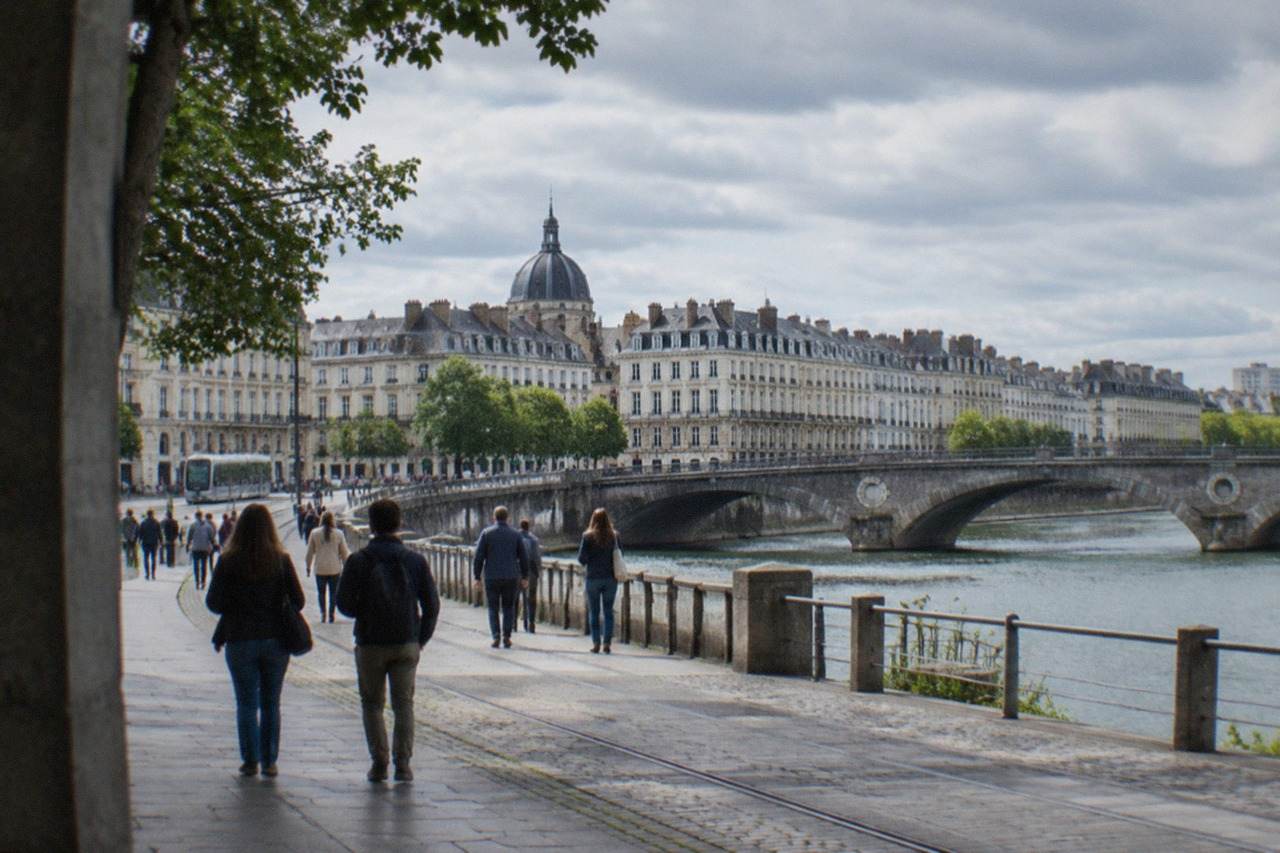
How Many Days Should I Spend In Nantes?
Visitors should plan two full days in Nantes. The first day covers the historic centre on foot: the cathedral, the Château des ducs de Bretagne museum, the Passage Pommeraye and the Bouffay district. The second day belongs to the Île de Nantes, the Machines de l'île, and a river or Erdre crossing. Travellers who want vineyards, Clisson or the coast should budget three days.
Two days is the honest number because of geography rather than ambition. The core sights sit close together on one side of the Loire, while the Machines de l'île and the Hangar à Bananes sit on the other, and the crossing plus a Galerie visit eats half a day on its own. Add meal times that matter in a food city, museum opening hours and the simple pleasure of walking, and one day becomes a checklist rather than a visit.
The two itinerary pages on this site follow exactly this split: a two-day plan and a three-day plan, both built around the same logic. If you are still weighing the city against other French destinations, the roundup of what Nantes is famous for is the quickest way to decide whether it deserves your days at all.
What Does One Day In Nantes Actually Cover?
One day in Nantes covers the cathedral, the Château des ducs de Bretagne, the Passage Pommeraye and a quick crossing to the Machines de l'île, but it forces you to skip the Musée d'arts, the Musée Dobrée, the Jardin des Plantes and the Erdre entirely. It works as a stopover plan, not as a visit. Expect a fast, centre-heavy day.
The single-day route is walkable because the core is compact; the question of whether that compactness is enough is covered separately in is Nantes a walkable city. Start at the cathedral, which is free and reopened since 27 September 2025, though its full restoration runs to 2028. Then walk to the château: the courtyard and ramparts are free and open 8:30 to 19:00, and the Musée d'histoire de Nantes inside costs 9 EUR full price, 5 EUR reduced, closed Mondays.
| Sight | Price | Hours |
|---|---|---|
| Cathedral | Free | Roughly 10:00-19:00, closed Mondays |
| Château courtyard and ramparts | Free | 8:30-19:00 daily |
| Musée d'histoire de Nantes | 9 EUR full, 5 EUR reduced | 10:00-18:00, closed Mondays |
| Galerie des Machines | 12 EUR full, 8 EUR ages 4-12 | Seasonal, last entry 45 min before close |
| Passage Pommeraye | Free | Mon-Sat 8:00-20:00, Sun 9:00-20:00 |
Afternoon is where a one-day trip frays. The Galerie des Machines alone is a 12 EUR ticket and the site sits across the river, so you either give it two proper hours or you cut it. Anyone choosing this route should not feel guilty about it; a well-led walk compresses the centre efficiently, and the photo-spots walk below is built for exactly that compression.
Why Does A Second Day In Nantes Change The Trip?
A second day in Nantes moves the trip from sightseeing to actually knowing the city, because it frees the Île de Nantes, the Erdre and at least one museum or market from the schedule. Day one handles the historic core; day two crosses the Loire, rides the Navibus, and leaves room for food that is not eaten standing up. This is the version that tends to be reported as the right one.
The second day starts on the Île de Nantes with the Machines de l'île: the Galerie, the Carrousel des Mondes Marins and, outside the winter maintenance window, the Grand Éléphant ride, each a separate 12 EUR full-price ticket with 20 EUR for two activities and 29 EUR for all three. From there the Hangar à Bananes and its bars stretch the afternoon, and the Navibus N1 or N2 river crossings cost nothing beyond a standard Naolib ticket, at 1.80 EUR for a one-hour ticket.
The second day is also when a food stop becomes possible rather than squeezed. Talensac market runs Tuesday to Friday 8:00-13:00 and Saturday-Sunday 8:00-13:30, closed Monday, which shapes when day two should fall in the week. A museum-minded traveller can swap the island morning for the Musée d'arts, at 9 EUR full price with free entry on Thursday evenings from 19:00 to 21:00. There is also the Mémorial de l'abolition de l'esclavage on the quays, free and open daily, which most one-day schedules never reach but which a second day absorbs easily.
Would a second day suit you better with a guide in front of you? That is a fair question when time is short.
Should You Book A Guided Walk To Save Time?
A guided walk saves a first-time visitor roughly half a day of navigation and guesswork, because a local route strings the Bouffay, Graslin and riverfront quarters together in the order that makes sense on foot. It does not replace the Machines de l'île or a museum, so it compresses the centre rather than the whole city. Book it on day one, not day two.
The walk takes the guesswork out of a tight first morning and leaves the afternoon free for the château or the island. If your dates are already fixed and the two-day plan is what you are running, the operator's live listing shows current availability for the days you have.
Timing matters more than order on day two. The Machines de l'île open at 10:00 in July and August and 10:30 the rest of the year, closing at 18:00 in summer and 17:00 otherwise, so an island morning fits neatly before lunch. The Grand Éléphant does not run during its winter maintenance window, typically early January to early February, so check ahead if your trip falls then.
The Navibus N1 links Gare Maritime on the north bank with the Île de Nantes and the village of Chantenay, while N2 runs between Gare Maritime and the Île de Nantes via the Trentemoult ferry crossing. Trentemoult itself, with its painted fishermen's houses, is a realistic day-two bonus once the river shuttle is already part of the plan. Boats run roughly every 20 to 45 minutes depending on the line and season, so build a little slack into the afternoon rather than planning crossings to the minute.
When Do Three Days In Nantes Pay Off?
Three days in Nantes pay off when the Loire-Atlantique countryside around the city is part of the plan rather than a maybe. The third day is the vineyard day, the Clisson day or the ocean day, and it is the only one that reaches the Muscadet country and the coast. Travellers who came for the city alone will find day three thin.
Clisson is the easiest third-day add: the TER runs the route with fastest journeys from about 15 minutes, and a return trip is even included in the Pass Nantes. The Muscadet vineyards start at Vallet with the Maison des vins, and the coast is roughly an hour by train, La Baule from about 51 minutes, Saint-Nazaire from about 33 minutes, Pornic from about an hour. The question of how far Nantes is from the ocean is answered in detail elsewhere on this site.
| Day trip | Fastest rail time | What it adds |
|---|---|---|
| Clisson | About 15 min | Italianate town, château, wine village |
| Saint-Nazaire | About 33 min | Escal'Atlantic, shipyard history, estuary |
| La Baule | About 51 min | Long beach, resort town, Guérande nearby |
| Pornic | About 59-65 min | Fishing port, coastal paths, oysters |
Budget note for the third day: the Pass Nantes at 72 hours costs 49 EUR full price and covers unlimited Naolib transport plus entries, but day trips beyond Clisson sit outside it. If your third day is a vineyard or coastal day, the 24-hour Pass at 30 EUR plus separate rail fares is usually the better arithmetic, and the three-day Nantes itinerary maps the mix.
What Does A Short Half-Day Trip To Nantes Miss?
A half-day in Nantes covers the Passage Pommeraye, the cathedral and a walk across the Île Feydeau, and it misses essentially everything else: the château museum, all of the Machines de l'île, the Erdre and every market. It is defensible only as a train stopover between two other cities, since the TGV from Paris runs in about two hours with around 24 daily trains each way.
The stopover version of Nantes is real and the station sits close to the centre, which is why the half-day option keeps coming up in journeys from Paris. But anyone hoping to see the mechanical elephant on a half day should check the season first: no rides run from 2 November 2026 to 28 February 2027, and even in season the Galerie deserves more than a dash.
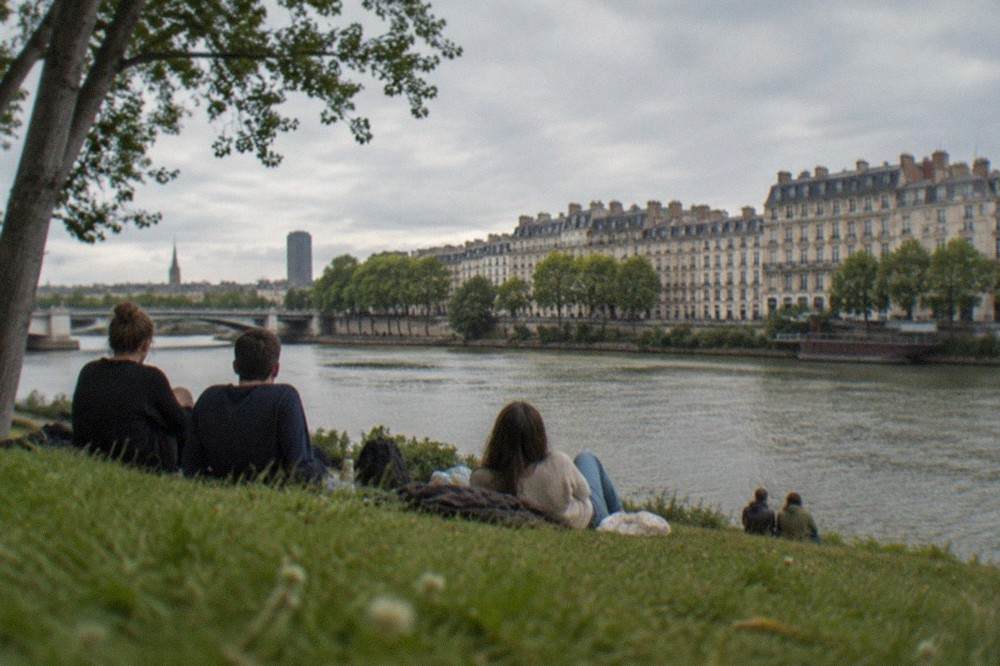
The honest summary of every option, from stopover to full three days, is one line: one day is a taste, two days is the trip, three days is the region. This site's own recommendations, published across Nantes Travel Guide, follow the same shape.
Common Questions About Days In Nantes
Is one day enough for Nantes?
One day covers the cathedral, the château, the Passage Pommeraye and a short island crossing, but it skips the Musée d'arts, the Jardin des Plantes and the Erdre entirely. Treat it as a stopover plan.
Can you see the Machines de l'île and the historic centre on the same day?
Yes, but it is the whole day. The Galerie, the Carrousel and a ride each cost 12 EUR full price, and the island sits across the Loire from the historic core, so pair them only with a tight schedule.
How many days do families need in Nantes?
Two days, with the second devoted to the Machines de l'île. Children under 4 ride the attractions free and ages 4-12 pay 8 EUR each, so the island day is the family day.
Is a weekend in Nantes enough?
A full weekend is effectively the two-day plan, and Naolib transport is free from Saturday 00:00 to Sunday 23:59 for everyone, which trims costs. The airport shuttle keeps its 10 EUR fare even on weekends.
Should a third day stay in Nantes or leave it?
Leave it, unless museums are the reason you came. The third day earns its keep in Clisson, the Muscadet vineyards or on the coast, all reachable by TER in well under an hour and a half.
Whichever count you settle on, book the timed attractions before you travel: elephant slots in particular sell out ahead of the day, and a missed slot is the most common way a two-day plan quietly becomes a one-and-a-half-day plan.