Do Bretons Consider Themselves French?
Do Bretons consider themselves French? A clear answer on Breton identity in France, and where Nantes, in Loire-Atlantique in the Pays de la Loire, fits into the question.
Brittany and France were two separate states for most of the last thousand years, and that fact still shapes how people in the region answer the identity question. Nantes, the great city of the Loire-Atlantique department in the Pays de la Loire region of western France, sits right at the fault line of that debate: it was the capital of the dukes of Brittany, yet it has not been administered as part of Brittany since a 1941 decree. The short answer to the question is that most Bretons hold both identities at once, and the interesting part is the history that makes the double answer possible, especially in a city like Nantes.
Do Bretons Consider Themselves French?
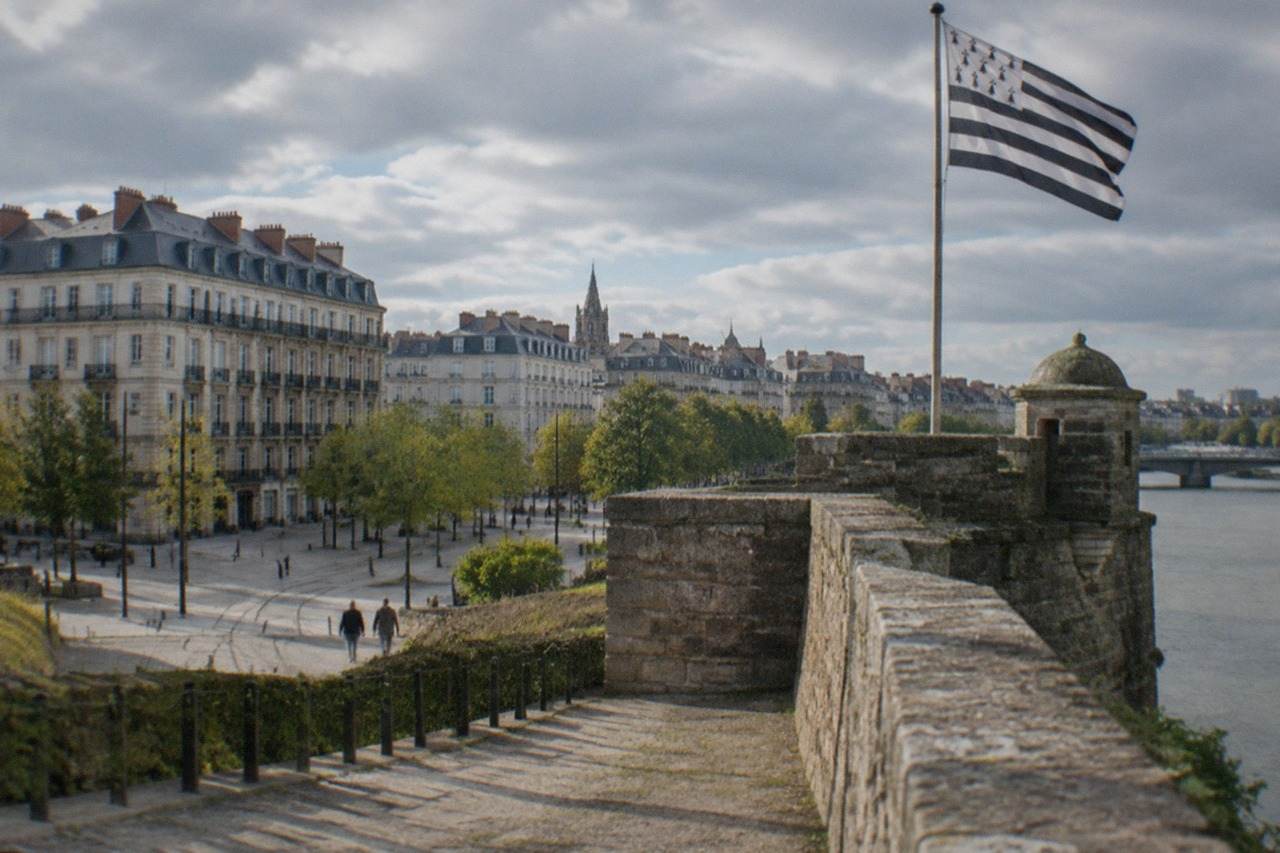
Yes, Bretons consider themselves French, and they have been French citizens since the duchy was united with the kingdom of France in 1532. Identity in Brittany is additive rather than exclusive: people are Breton and French at the same time, in the way a Texan or a Bavarian is also American or German. The tension shows up in dates and symbols rather than in any rejection of France, and it is sharpest of all around Nantes, whose department was detached from Brittany by a wartime decree in 1941.
The union of 1532 is the hinge of the whole story. Before it, Brittany was a sovereign duchy with its own rulers, its own court and its own foreign policy. The duchy's last independent ruler, Anne of Brittany, was born at the château of Nantes on 25 January 1477, and twice became queen of France by marriage. When the duchy was formally attached to the French crown, Brittany kept certain distinctive arrangements, and the memory of having once been a state of its own has never faded from regional culture. That is why the question "do Bretons consider themselves French?" is genuinely asked: the region's past makes the answer less automatic than in, say, Normandy's neighbours.
What the history does not support is the idea of a clean either/or. After 1532, Bretons served as French soldiers, sailors, administrators and industrialists; Nantes itself became one of France's great Atlantic ports, and its merchants' wealth, including the darker chapters of the slave trade, was entirely French imperial history. The Breton identity that survived is cultural and sentimental: names, music, flags, food, a strong regional pride, and a stubborn insistence on being recognised as different within France rather than separate from it. In everyday terms, someone in Rennes or Brest who flies the Breton flag is making a statement about heritage, not filing for independence.
Nantes makes the question more pointed. Culturally, the city is soaked in ducal Brittany history, from the Château des ducs de Bretagne at its centre to the tombs of the dukes inside the cathedral. Administratively, it has not been in Brittany for most of a century. Visitors who arrive expecting "a city in Brittany" find a place that is simultaneously the historical capital of Brittany and the metropolis of the Pays de la Loire. That doubleness is not a contradiction to resolve but the city's actual character, and it is the single most useful thing to understand before a first visit.
Where Does Nantes Stand In The Brittany Debate?
Nantes is the historical capital of Brittany but no longer sits inside an administrative Brittany, because its department, Loire-Atlantique, has belonged to the Pays de la Loire region since the post-war regional map was drawn. The city's ducal château, begun by Duke Francis II in 1466, is the greatest physical proof of the Breton past, while the region's name on every map today is the proof of the administrative present. Both facts are true at once.
The ducal legacy is impossible to miss. Francis II began rebuilding the Château des ducs de Bretagne in 1466, and his daughter Anne, the duchess who became twice queen of France, was born inside its walls in 1477. The Edict of Nantes, the tolerance decree signed by Henri IV in April 1598, was signed at the château itself, in the decades when the city was fully part of a Brittany that had only recently been joined to France. The building today houses the Musée d'histoire de Nantes, whose permanent collection walks through the whole arc of the city's past, from the dukes to the port to the modern city.
The administrative story runs the other way. A decree of 30 June 1941, issued under the Vichy regime, attached the department then called Loire-Inférieure to the Angers region and separated it from Brittany, and the department was renamed Loire-Atlantique on 9 March 1957. When France's post-war regional map hardened, Nantes found itself the leading city of a region named after the Loire valley rather than the Breton one. Every since-then campaign to redraw the map has to argue against a bureaucratic arrangement that has now outlasted most people's memories.
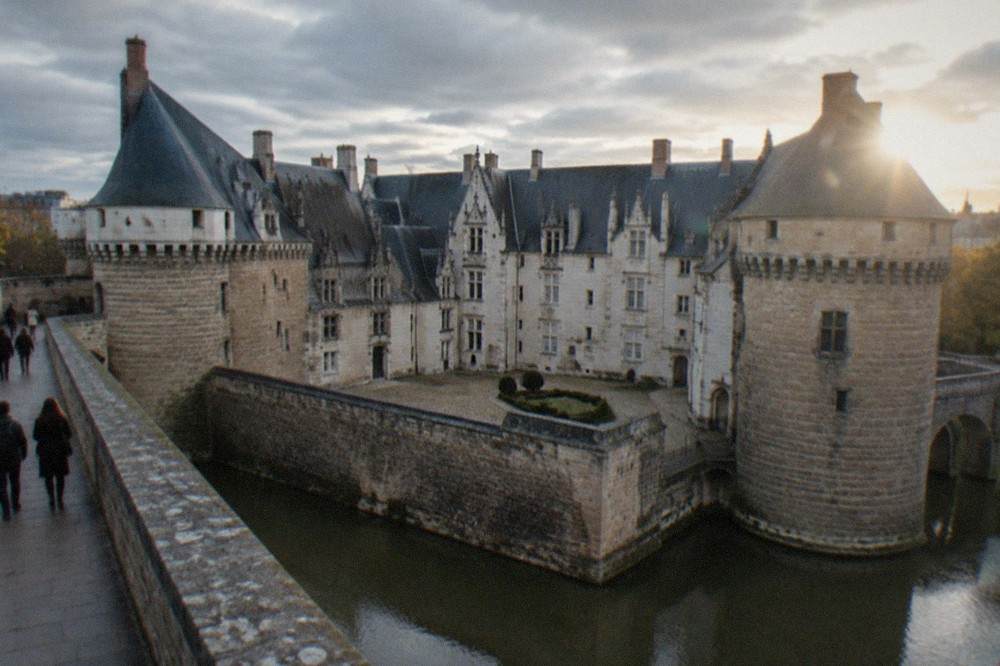
For a traveller, this doubleness is a gift rather than a puzzle. A walk through the Bouffay old town, the château and the cathedral covers the Breton capital; a walk along the Île de Nantes and the Hangar à Bananes covers the post-war French industrial city that reinvented itself around art and machines. The two are twenty minutes apart on foot. Our guide to why Brittany is different from France unpacks the regional side of the story, and what Nantes is famous for shows how the Breton past feeds the city's modern reputation.
Why Was Nantes Taken Out Of Brittany In 1941?
Nantes was taken out of Brittany by a decree dated 30 June 1941, issued by the Vichy government, which attached the department of Loire-Inférieure to the Angers region instead of the Breton one. The department was renamed Loire-Atlantique in 1957, and the arrangement survived every later regional reform, which is why Nantes is in the Pays de la Loire today. It was a wartime administrative decision, not a vote.
The context matters. The 1941 decree was drawn under an authoritarian regime that was reorganising French administration for its own purposes, and it cut against centuries of history: Nantes had been the seat of the dukes, and the department was one of Brittany's five historic parts. Whatever the reasoning at the time, the change stuck. Post-war French governments built the modern regions on top of the wartime framework rather than undoing it, and the Loire valley grouping around Nantes and Angers became the Pays de la Loire. Local opinion in Nantes has never been unanimous about the arrangement, and the city's Breton heritage keeps the question alive in a way that pure administrative maps never settle. Everything else covered here is indexed on Nantes Travel Guide.
Here is the timeline that a visitor to Nantes is actually walking through:
| Date | Event | Where to see it in Nantes |
|---|---|---|
| 1466 | Francis II begins rebuilding the ducal château | Château des ducs de Bretagne, courtyard free to enter |
| 25 January 1477 | Anne of Brittany born at the château | Château and its history museum |
| 1532 | Duchy of Brittany united with the kingdom of France | The hinge date of the whole identity question |
| April 1598 | Edict of Nantes signed by Henri IV at the château | Château's dedicated Edict page and exhibits |
| 30 June 1941 | Vichy decree detaches Loire-Inférieure from Brittany | The administrative break still visible on every map |
| 9 March 1957 | Department renamed Loire-Atlantique | The name on today's signs and addresses |
The dates explain why the emotional geography and the paper geography disagree. Everything up to 1941 says Brittany; everything after says the Loire. A visitor who knows both layers reads the city completely differently, from the ducal tomb effigies in the cathedral to the regional institutions on the Île de Nantes. For a fuller city stay, how many days to spend in Nantes gives a realistic planning answer.
How Does Breton Identity Appear In Nantes Today?
Breton identity appears in Nantes today through the city's monuments, its food culture and its place names rather than through any political separation: the ducal château anchors the centre, Breton crêperies and cidre dot the old town, and the name Bretagne is printed on the city's most visited building. Politically, Nantes functions fully within France and the Pays de la Loire. Culturally, it keeps making the Breton case.
Start with the château, because everyone does. Its ramparts and courtyard are free to walk, and the Musée d'histoire de Nantes inside tells the city's story across 32 rooms, more than 1,150 objects strong, running from the medieval duchy through the slave trade to the modern city. The museum closes on Mondays and charges 9 EUR full price, 5 EUR reduced, with free entry for under-18s, so the Breton chapter of the story is one of the cheapest history lessons in France. Around it, the Bouffay old town preserves the street pattern of the medieval Breton capital.
Food carries the identity further. Crêperies serving Breton crêpes and galettes are a fixture of the old town, and the wider regional table in Nantes runs to Muscadet wine from the vineyards south and east of the city, beurre blanc sauce, and LU's Petit Beurre biscuits, invented in Nantes in 1886. None of this is a political statement; it is simply what the city eats, and it ties Nantes to both sides of its heritage at once. The food scene in Nantes covers where to eat it now.
The modern layer is French and creative. Les Machines de l'île opened on the former shipyards of the Île de Nantes in 2007, and the Voyage à Nantes summer art trail has filled the city with contemporary works every summer since 2012. This is the Nantes that has nothing to do with dukes: a city that turned its industrial riverbank into an open-air museum. The Breton past and the inventive present are not competing for the city; they are both on display within a short walk of each other, which is exactly why the identity question stays interesting here.
A guided walk is the most efficient way to have both layers pointed out to you, and a local-led route through the old town pairs naturally with a deeper stop at the château museum. The operator's live listing carries the current price and the next available dates, so there is no need to commit before checking what is running during your visit.
If you would rather puzzle the city out yourself, the self-guided walking options in Nantes lay out the routes, and the château museum can be explored at your own pace any day but Monday.
Common Questions About Breton Identity In Nantes
Do Bretons consider themselves French?
Yes. Bretons have been French since the union of the duchy with the kingdom of France in 1532, and the dominant regional attitude is dual identity: Breton first in culture, French in citizenship and daily political life. The strong feeling is about recognition and heritage, not secession.
Is Nantes in Brittany?
Nantes is not administratively in Brittany. Its department, Loire-Atlantique, has been grouped with the Pays de la Loire since the decree of 30 June 1941 detached it, and the 1957 renaming confirmed the arrangement. Historically and culturally, though, Nantes was the capital of the duchy of Brittany, and the city's ducal château is the standing proof.
Are Brittany and Bretagne the same?
Yes, Bretagne is simply the French name for Brittany; the two words refer to the same region and the same people. The related question of whether Nantes belongs to it is covered in our page on Brittany and Bretagne.
Do people in Nantes speak Breton?
Nantes is historically a French-speaking city, and the everyday language of the city, its transport and its institutions is French. Breton is a Celtic language associated mainly with western Brittany; English usage in the city is covered on our language page for Nantes.
Why is Nantes not the capital of Brittany?
The capital of the modern administrative region of Brittany is Rennes. Nantes lost its claim when Loire-Inférieure was attached to the Angers region by the decree of 30 June 1941, an arrangement that later regional reform made permanent in the Pays de la Loire.
Was the Château des ducs de Bretagne a Breton royal residence?
It was the residence of the dukes of Brittany, not a royal palace: Duke Francis II began the rebuilding in 1466, and his daughter Anne of Brittany, born there in 1477, went on to become queen of France twice by marriage. The château belongs to the city and houses the Musée d'histoire de Nantes today.
The honest summary is that Bretons are French the way a people with their own past become part of a bigger state: fully, legally and for nearly five centuries, but with the memory kept deliberately alive. Nantes is the best place in France to watch that memory operate, because the city is simultaneously the evidence for Breton greatness and the proof of the administrative line that drew it out of Brittany. Walk its ramparts, eat a galette in the Bouffay, then cross the Loire to the machines, and you have seen both identities in one afternoon.