Parks In Nantes
Nantes, in the Loire-Atlantique department of western France, was the European Green Capital in 2013, and its parks and gardens are the reason many visitors give the city a second or third day. Here is what to expect from each green space, what is free, and how to reach them without a car.
Short answer
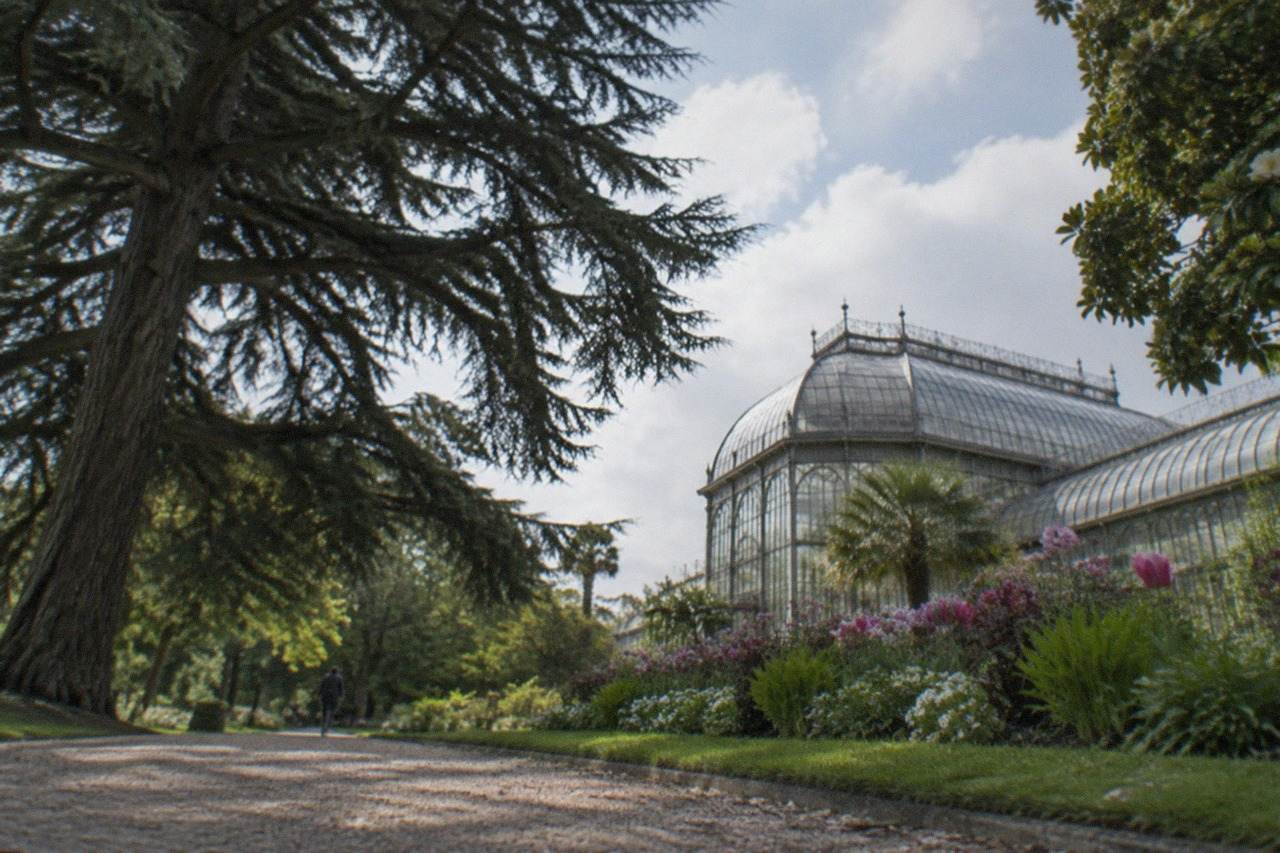
The best parks in Nantes are the Jardin des Plantes botanical garden near the train station, the Japanese garden on the Île de Versailles on the Erdre, the free moat gardens of the Château des ducs de Bretagne, and the riverside walks along the Loire and Erdre. Nearly all of them cost nothing to enter.
Nantes, in the Loire-Atlantique department of the Pays de la Loire region of western France, wears its green credentials openly: the European Commission named it European Green Capital in 2013, and Time Magazine had already called it the most liveable city in Europe in 2004, as quoted by the Commission's own award page. For visitors, that legacy is practical rather than abstract. The city centre is threaded with gardens you can walk between, two rivers frame the parks, and almost none of it charges admission. This guide from the Nantes Travel Guide editorial desk covers every major green space, what each one costs, how to get there on the Naolib network, and which months suit a park-heavy itinerary best.
What Are The Best Parks In Nantes?
The best parks in Nantes are the Jardin des Plantes, the city's large botanical garden a short walk south of the train station; the Île de Versailles, a narrow island in the Erdre turned into a Japanese garden; the free moat gardens ringing the Château des ducs de Bretagne in the centre; and the riverside green of the Île de Nantes and the Loire banks. Entry to all of them is free. Together they explain why Nantes earned the European Green Capital title in 2013.
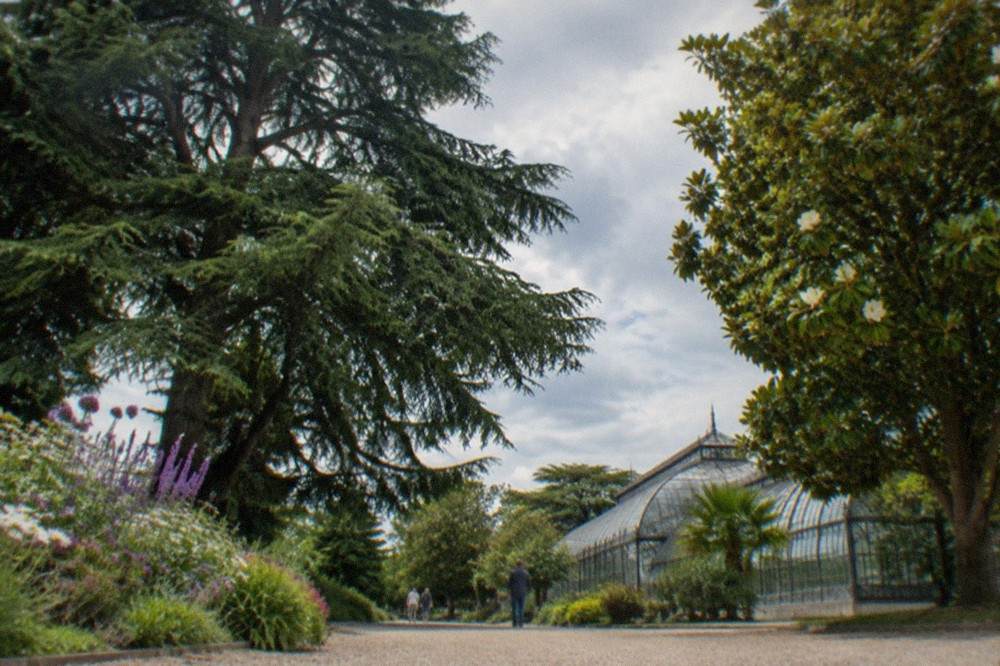
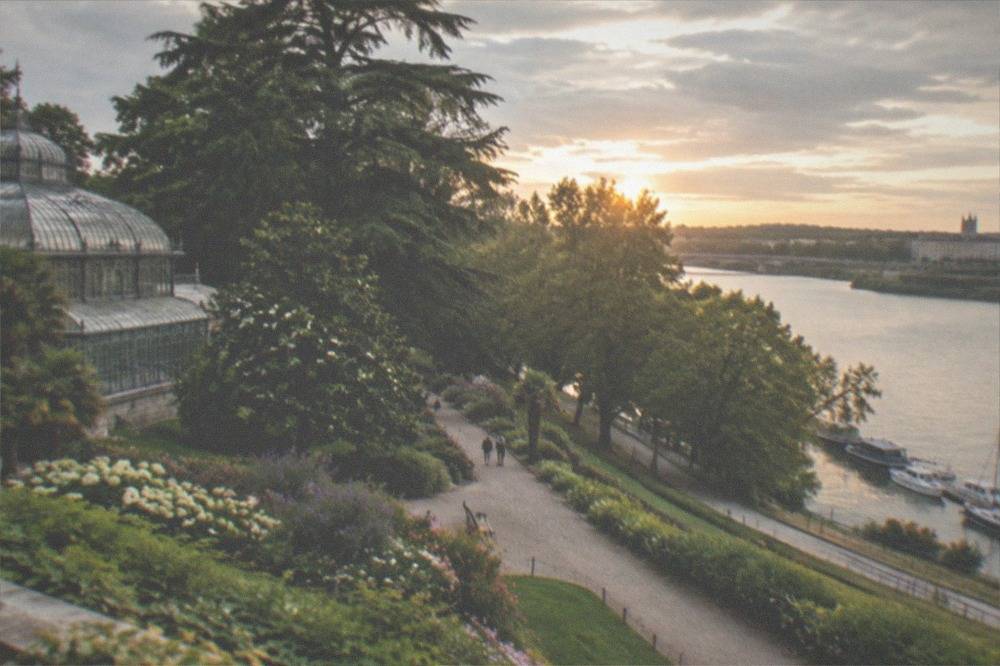
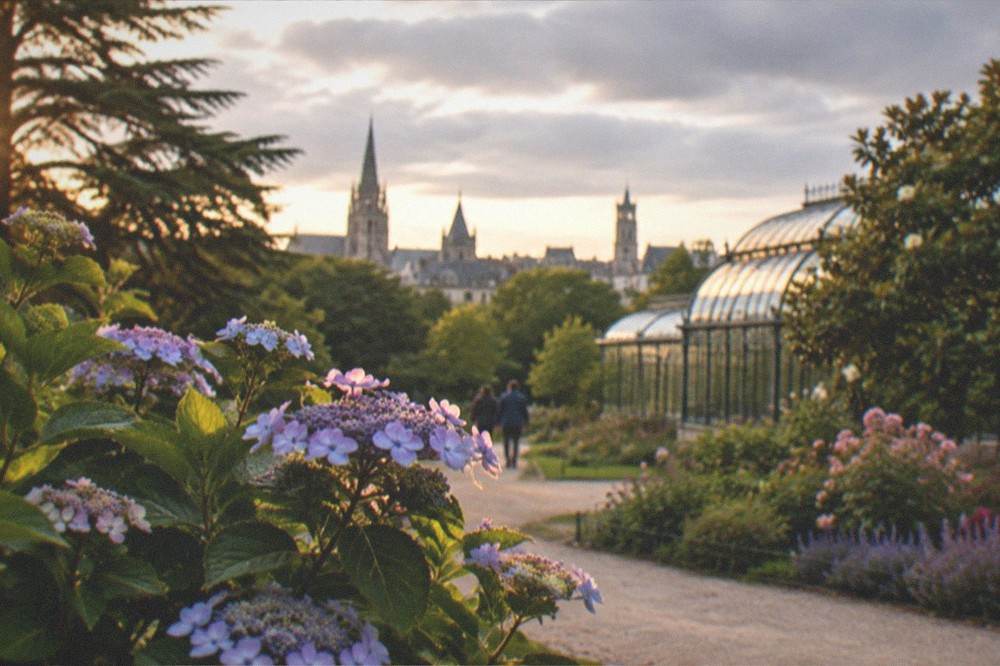
Start with the Jardin des Plantes if you only have time for one. It is the classic botanical garden of the group, with glasshouses, themed beds and enough lawn to feel like countryside inside the city. The Île de Versailles is a different pleasure altogether: a small island on the Erdre, the river Nantes locals treat as their own, with rock gardens, water channels and maple shade. The château's moat garden, the Jardin des douves, is the most central of the lot, wrapping the Château des ducs de Bretagne in planted ramparts you can walk before the museum inside even opens.
The table below is the honest core of the answer: what each space is, what it costs and when it opens. Hours marked as approximate come from Nantes Métropole's park pages, which list seasonal ranges rather than fixed times, so treat them as planning guides and check on the day in deep winter or high summer.
| Park or garden | Character | Cost | Opening (approx.) |
|---|---|---|---|
| Jardin des Plantes | Botanical garden, glasshouses, themed beds | Free | Around 8:30 to 18:00, later in summer |
| Île de Versailles | Japanese garden on an Erdre island | Free | Around 8:30 to 17:30, later in summer |
| Jardin des douves du Château | Planted moats of the Château des ducs de Bretagne | Free | 8:00 to 19:00 daily, to 20:00 in July and August |
| Île de Nantes riverbanks | Former shipyard island, new parks and gardens | Free | Always open, public space |
| Erdre riverbanks | Waterside walks and boat moorings | Free | Always open, public space |
Beyond the headline names, the green network keeps growing. Nantes Métropole's project pages record that a 10-hectare Loire park is planned on the Île de Nantes with its first part targeted around 2030, that the Jardins de l'estuaire programme runs from 2024 to 2027, and that a Jardin du rail opened in 2026. None of these are headline sights yet, but they show the direction of travel. For a fuller list of no-cost sights in the city, our free things to do in Nantes guide goes well beyond the gardens.
Is The Jardin Des Plantes In Nantes Free To Visit?
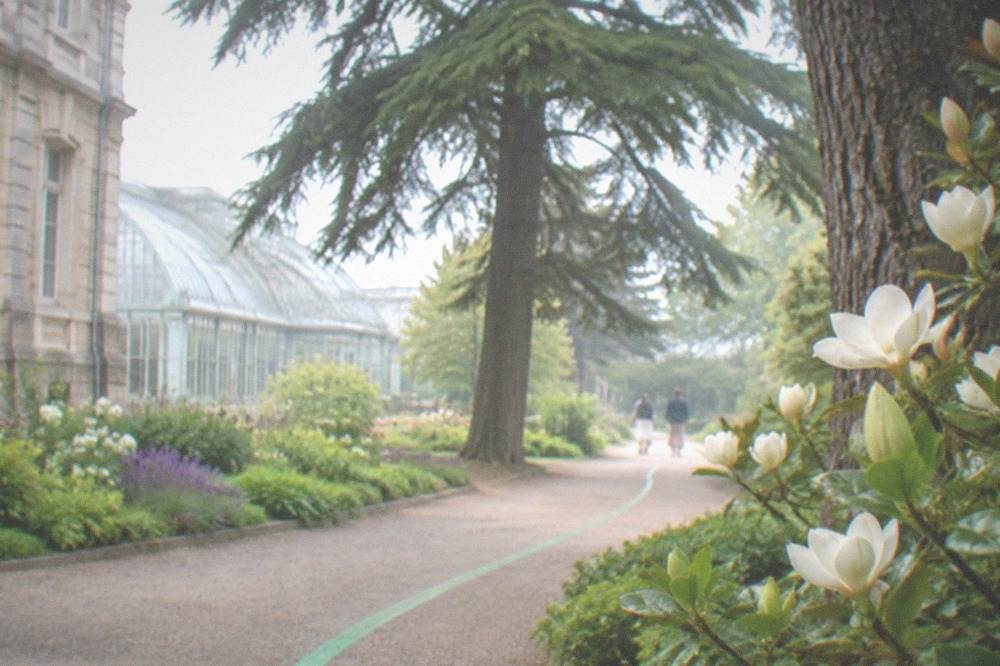
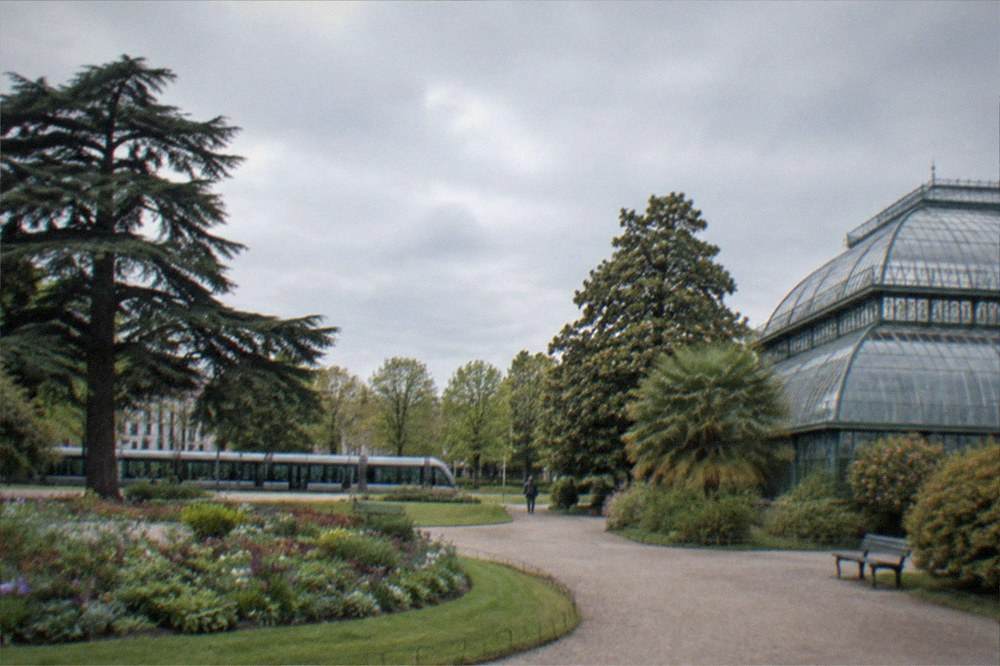
Yes, the Jardin des Plantes in Nantes is completely free to enter, with no ticket, no timed slot and no closed day in normal operation. Nantes Métropole's park pages give seasonal opening of roughly 8:30 in the morning to around 18:00, extending to about 21:30 on summer evenings. It sits just south of the main attractions, close to the train station, so it works as a first or last stop on any itinerary.
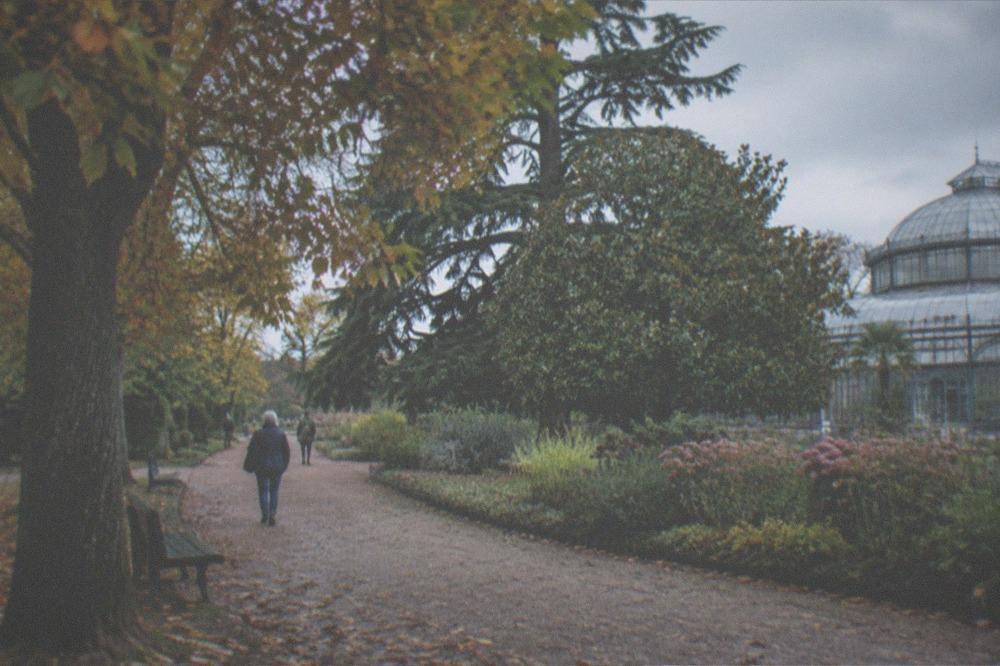
The garden is the city's botanical flagship, and it earns the description. Greenhouses, specimen trees and seasonal planting make it a garden worth visiting in any month, not only in the June flowering. There is a catch worth knowing for anyone combining it with museums: the Muséum d'histoire naturelle beside it, once the classic rainy-day pairing, has been closed for major works since November 2025 and will not reopen until 2029, per Nantes Métropole's museums page. The garden itself is unaffected.
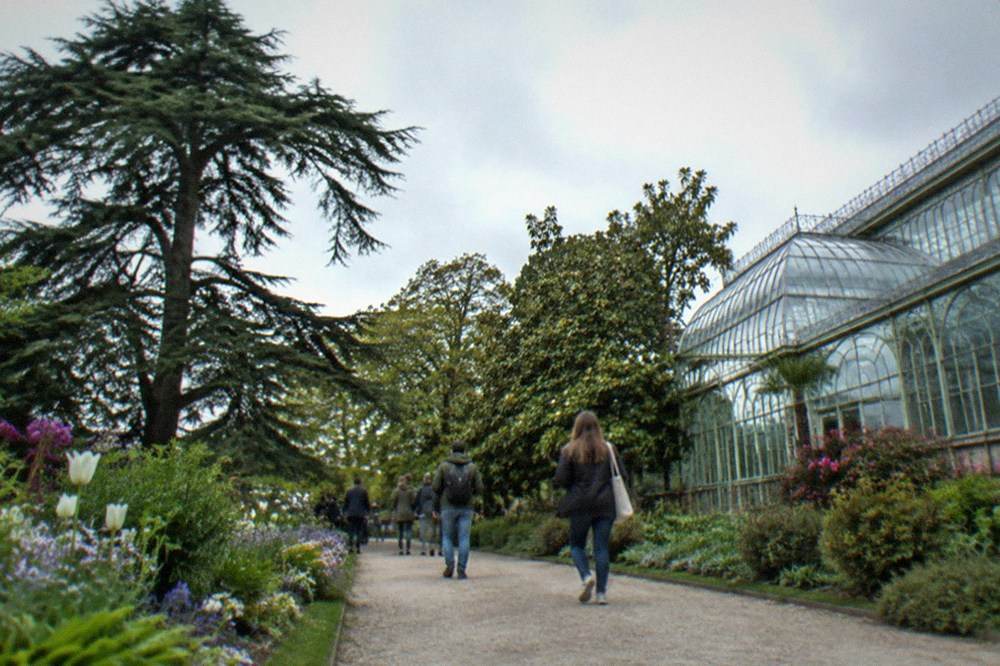
A garden this generous rewards a guide who knows where the quiet corners are. The Surprise Walk of Nantes with a Local is built around exactly that kind of local routing, and its operator's live listing carries the current price and availability.
If you would rather compare several guided formats at once, the three options below are the ones that suit a parks-and-gardens day best: a private custom walk that can be built around the green spaces, a local-led surprise walk, and a vineyard tour for the day you trade city lawns for vines.
Whichever way you see the city, the Jardin des Plantes pairs naturally with a walk through the surrounding streets, which are among the quietest in the centre.
Where Can You Walk Beside Water In Nantes?
The best waterside walking in Nantes is along the Erdre, with the Île de Versailles Japanese garden at its heart; along the Loire at the Île de Nantes; and across the two rivers by Navibus ferry. The Navibus lines N1, N2 and N3 all run on ordinary Naolib tickets, and the network's own pages confirm each route, so no crossing costs more than a standard fare.
The Erdre is the park river. It meets the Loire at Nantes, and its banks carry the kind of waterside promenade that makes a hot afternoon feel planned. The Île de Versailles sits mid-channel close to the centre: a compact island of Japanese landscaping, wooden bridges, streams and shaded seating that Nantes Métropole keeps free and open through the day. Boats moor along the banks, and the river's full character is on show each August during the Rendez-vous de l'Erdre, the free jazz-and-boats festival that ran its 40th edition from 24 to 30 August 2026.
| Navibus line | Route | Ticket |
|---|---|---|
| N1 | Gare Maritime to Trentemoult Sablières across the Loire | Standard Naolib fare |
| N2 | Hangar à Bananes, Bas-Chantenay, to Trentemoult across the Loire | Standard Naolib fare |
| N3 | Gachet to Grimaudière along the Erdre | Standard Naolib fare |
The Loire side is broader and more exposed. The Île de Nantes, the former shipyard island, is where the Machines de l'île and the Hangar à Bananes stand, and where the new riverside parks are being stitched in. One honest caveat for riverside planning: the Mémorial de l'abolition de l'esclavage on the quay, free and open most of the year, closes during Loire floods, and in February 2026 the river reached 8.18 m at the Pont Anne-de-Bretagne, above 8 m for the first time in about 15 years. Floods of that scale are rare, but the quays do sit in the river's path.
A private guide is a sensible option for a water-first day, since the best route links the Erdre, the Île de Versailles and the Loire quays in a loop that is not obvious from a map. The Nantes Private Custom Walking Tour With A Guide can be shaped to exactly that shape, with pay-later options at checkout and free cancellation if the weather turns.
Our getting around Nantes guide covers the full transport picture, including the trams and buses that serve both riverbanks.
What Is The Green Line And How Does It Connect Nantes Parks?
The green line is a painted trail, about 20 km long, that Le Voyage à Nantes lays through the city to link its permanent and temporary artworks, monuments and gardens, and following it is one of the easiest ways to tour Nantes green space without planning a route. The trail's own stewards describe it as guiding visitors across the city, and the summer 2026 edition, themed around Earth, ran from 4 July to 6 September.
Following the line costs nothing and needs no booking. It threads the centre, crosses the Île de Nantes, and passes through or near several of the spaces in this guide, including the planted moats of the Château des ducs de Bretagne. The château's own hours page confirms the Jardin des douves is open 8:00 to 19:00, extended to 20:00 in July and August, so the garden outlasts most summer evenings. The 2026 Voyage à Nantes even used new sites for the first time, including the Jardin Extraordinaire, where sculptor Barbara Schroeder installed six monumental earth-and-dung columns, according to the métropole's own programme notes.
For many visitors, the green line is the moment a parks trip becomes a gardens-plus-art trip. If a whole day in the city is on your plan, our Le Voyage à Nantes guide explains the festival and the permanent collection, and our one day in Nantes itinerary shows how the trail fits a short stay.
When you have walked the city's lawns to their edges, the vineyards begin. The Muscadet country east and south of Nantes is reached on a short van tour, and the Nantes vineyard tour by van covers it from the listing price shown on the operator's live page.
When Is The Best Time Of Year For Parks In Nantes?
The best months for parks in Nantes are April to May and September to October, when daytime highs are mild, rain is lighter than in winter and the beds are either blooming or turning. Mid-June to mid-September is the warm window, with July and August averaging 25.1 and 25.4 °C as mean maximums, but it is also the busiest. October to January is the wet, quiet season.
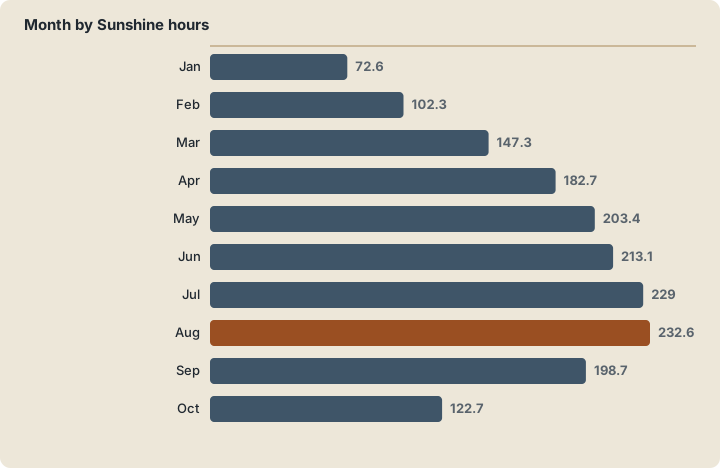
The climate figures below come from Météo-France's 1991-2020 normals for the Nantes-Bouguenais station, and they show a temperate oceanic pattern rather than a Mediterranean one: rain falls in every month, and the year totals 819.5 mm. What the table also shows is that the park season is long. April already averages a 16.2 °C mean maximum and 58.3 mm of rain across the month; September still manages 22.4 °C. June is worth a special note: at 79.1 mm it is actually the wettest month in the normals table, which surprises visitors who assume summer means dry.
| Month | Mean max °C | Rain mm | Sunshine hours |
|---|---|---|---|
| Jan | 9.3 | 87.9 | 72.6 |
| Feb | 10.5 | 67.5 | 102.3 |
| Mar | 13.5 | 58.4 | 147.3 |
| Apr | 16.2 | 58.3 | 182.7 |
| May | 19.6 | 61.0 | 203.4 |
| Jun | 23.0 | 79.1 | 213.1 |
| Jul | 25.1 | 44.2 | 229.0 |
| Aug | 25.4 | 50.3 | 232.6 |
| Sep | 22.4 | 59.5 | 198.7 |
| Oct | 17.6 | 88.8 | 122.7 |
| Nov | 12.9 | 94.1 | 91.3 |
| Dec | 9.8 | 101.0 | 77.6 |
One recent caveat belongs in any planning conversation. The verified station records now put Nantes' all-time high at 42.2 °C on 24 June 2026, a new record for a series running since 1945, and 2026 logged days at or above both 30 °C and 35 °C. Heat of that order is not the norm, but it is no longer unthinkable either, so shade and water matter on a midsummer park day. Our best time to visit Nantes and Nantes weather guides take the seasonal picture further.
For a seasonal summary, the ranges below condense the whole year into a decision.
| Season | Typical feel for parks | Best used for |
|---|---|---|
| April to May | Highs 16-20 °C, beds in bloom, moderate rain | Flowering season, long daylight walks |
| Mid-June to mid-September | Highs 22-25 °C, warmest water, occasional heat spikes | River walks, evening gardens, boat crossings |
| September to October | Highs around 17-22 °C, quieter city | Long unhurried visits, green line walking |
| November to March | Highs 9-13 °C, wettest months, short days | Glasshouses, moat garden, hardy strolls |
How Do You Reach Nantes Parks Without A Car?
You reach every park in this guide by the Naolib network of trams, buses and Navibus ferries, with a standard one-hour ticket costing 1.80 EUR and a 24-hour ticket 6.80 EUR, per Naolib's fare page, and on weekends the whole network is free for everyone from Saturday 00:00 to Sunday 23:59. The one exception is the airport shuttle, which always costs 10 EUR and is excluded from the weekend free travel.
That weekend rule is the single most useful transport fact for a parks itinerary: on Saturdays and Sundays you can hop between the Jardin des Plantes, the Île de Versailles and the Loire quays without buying a thing. During the week the tickets below apply, and a group of four sharing a 24-hour ticket pays 15 EUR in total, per the same fare page. For anything beyond a parks day, the pass Nantes guide explains when the tourist pass beats single tickets, since the pass bundles transport with museum entries.
| Naolib ticket | Price | Covers |
|---|---|---|
| Single 1-hour ticket | 1.80 EUR | Tram, bus, Navibus, TER inside the métropole |
| 10 x 1-hour ticket | 17.80 EUR | Same network, carnet |
| 24-hour ticket | 6.80 EUR | Whole network for one person |
| 24-hour ticket, 4 people | 15 EUR | Whole network for a group of four |
| Airport shuttle | 10 EUR | Airport to city, always charged, weekend-free excluded |
The free moat garden of the Château des ducs de Bretagne is the easiest park of all, sitting on tram and bus corridors in the centre; the château courtyard itself is also free, 8:30 to 19:00 daily, extended to 20:00 in July and August, per the château's hours page. Parc de Procé, another of the city's historic parks, is also free to enter, though the métropole's pages do not publish a fixed schedule for it, so its hours vary by season. If you would rather leave the routing to someone who does it daily, a private guide is the low-effort option, and the private custom walking tour's listing shows live availability for days you choose.
Three options cover the spread of what a parks-focused visitor usually wants: a private custom walk shaped around the gardens, a local-led surprise walk, and a half-day escape to the vineyards when the city greens have been walked.
Beyond the parks themselves, the same free weekend network serves the Muscadet country, the Erdre boat basin and the Trentemoult riverbank village on the far side of the Loire, so a car-free parks holiday in Nantes is genuinely practical.
Common Questions About Parks In Nantes
Are parks in Nantes free?
Yes. The Jardin des Plantes, the Île de Versailles, the château moat garden, Parc de Procé and all the riverside walks in this guide cost nothing to enter, per Nantes Métropole's own park pages. The only green-space costs are optional extras, such as boat crossings on ordinary Naolib tickets.
Which is the biggest park in Nantes?
The Jardin des Plantes is the flagship botanical garden and the park many people mean when they talk about a big green space in the centre. The city's green network is larger than any single space, though, and a 10-hectare Loire park planned for the Île de Nantes, with its first part targeted around 2030, will add to it.
Is the Jardin des Plantes open all year?
The garden opens daily year-round, with Nantes Métropole's pages giving seasonal hours of roughly 8:30 to 18:00, extending to about 21:30 in summer. Hours shift with the seasons rather than closing, so check the métropole's park page for the day you visit.
Can you picnic in Nantes parks?
Yes, picnicking is normal practice on the lawns of the Jardin des Plantes, the Île de Versailles and the Erdre banks, and the city's market culture supports it: the Talensac market runs Tuesday to Friday 8:00 to 13:00 and Saturday to Sunday 8:00 to 13:30, per its métropole listing, so weekend supplies are easy.
Is Nantes a green city?
By official recognition, yes: Nantes was the European Green Capital in 2013, and Time Magazine had called it the most liveable city in Europe in 2004, as quoted by the European Commission's award page. The parks, the rivers and the free weekend public transport all follow from that identity.
What should I do in Nantes parks if it rains?
Rain in Nantes is frequent but light: the normals give 819.5 mm a year spread over 119.7 days of at least 1 mm, with July the driest month and December the wettest. On wet days the Jardin des Plantes glasshouses and the château moat garden's tree cover work well, and the museums in Nantes guide lists the indoor options nearby, noting the natural history museum stays shut until 2029.