Estuaire Nantes Saint Nazaire
The Estuaire art trail links Nantes to Saint-Nazaire along the Loire, with 33 contemporary artworks spread across 23 sites between the two cities in the Loire-Atlantique department of western France.
Short answer
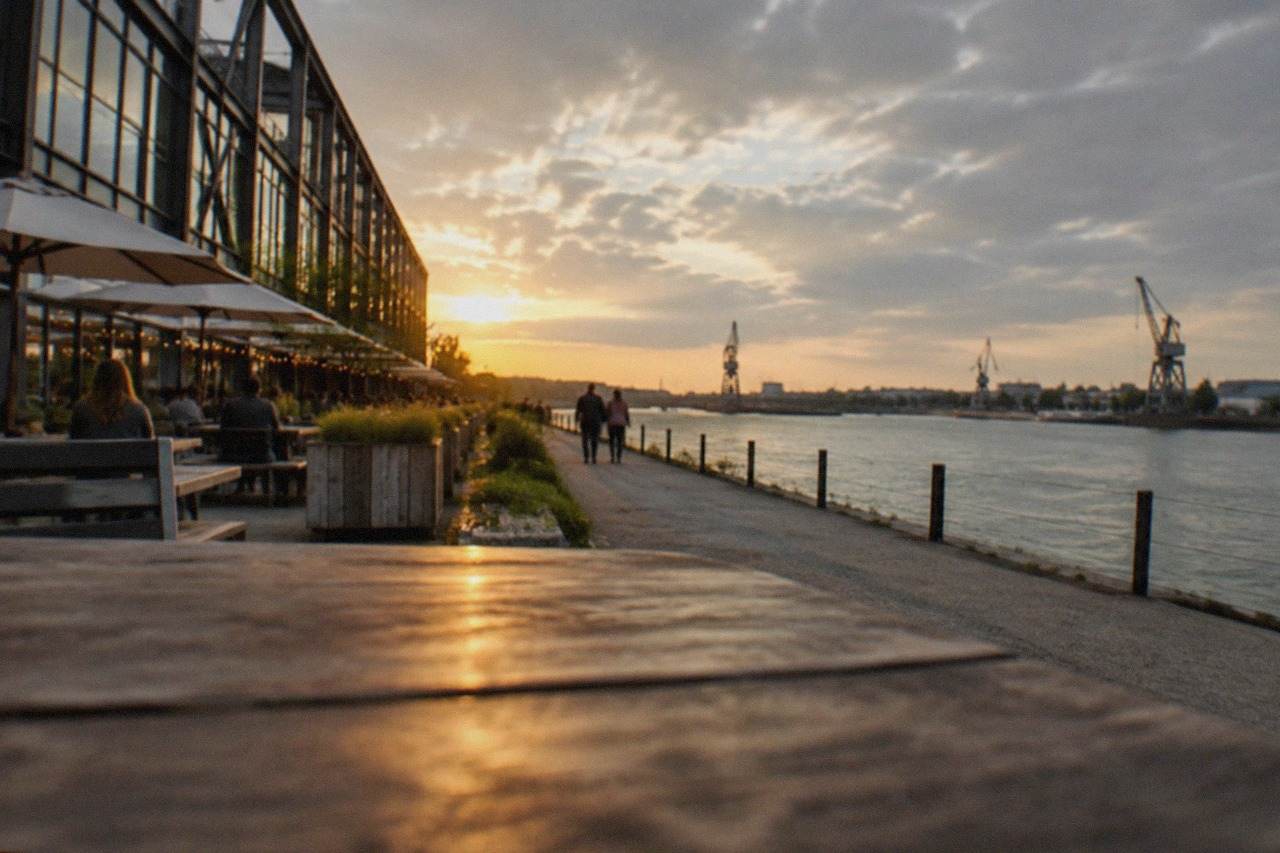
Estuaire is a permanent outdoor art route running from Nantes to Saint-Nazaire along the Loire estuary, with 33 works on 23 sites. It is free to visit, reachable by TER train to Saint-Nazaire, and best explored over a full day by bike, train or a mix of both.
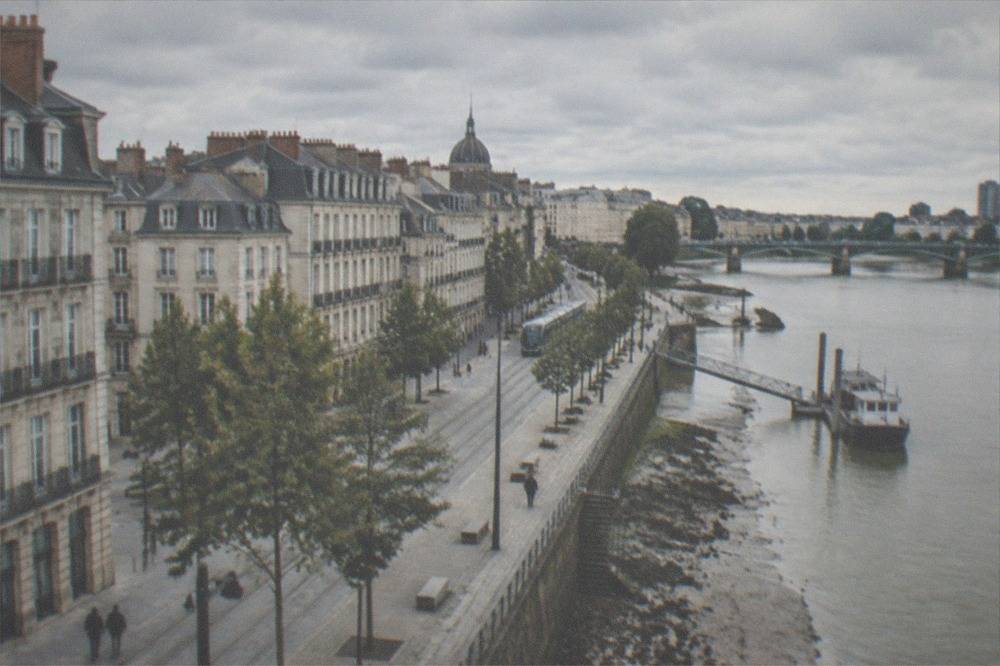
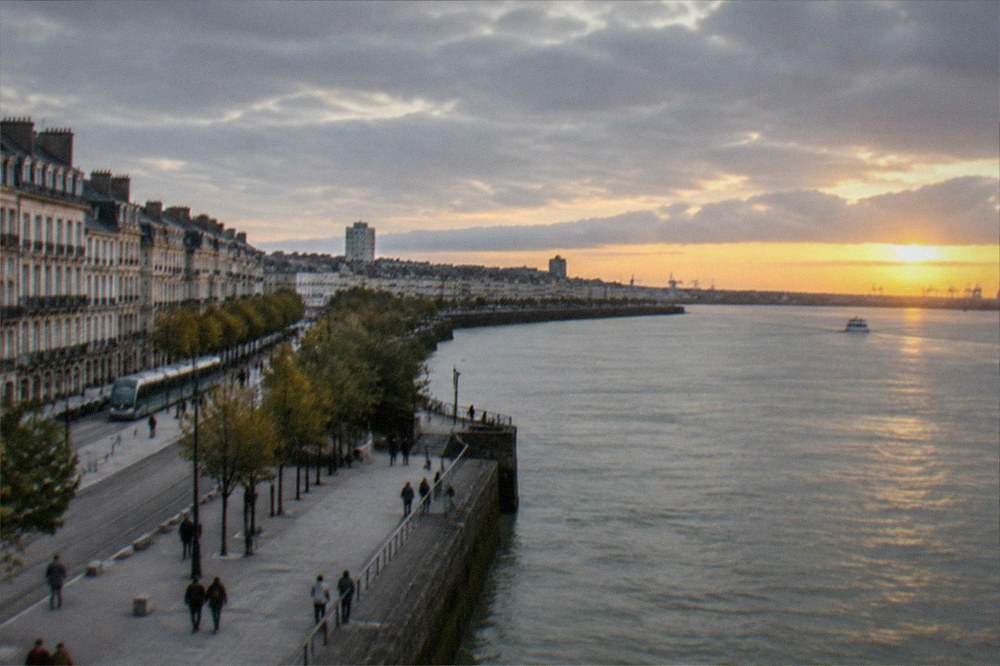
The Loire does not end at Nantes. Below the city, the river widens, slows and turns estuarine, sliding 60 kilometres west towards the Atlantic at Saint-Nazaire, and since 2007 this whole corridor has doubled as one of the largest outdoor contemporary art galleries in France. The Estuaire trail strings 33 works on 23 sites along the Loire between Nantes and Saint-Nazaire, in the Loire-Atlantique department of the Pays de la Loire region, and it belongs to the same family of cultural projects as the green line walk inside the city, which our Le Voyage a Nantes guide covers in detail. It is free, open all year, and stitched together by train stations, towpaths and river banks, which makes it one of the most rewarding full-day excursions you can build from Nantes without a car, and a favourite of everyone on the Nantes Travel Guide desk who has plotted a day along the water.
What Is The Estuaire Nantes Saint Nazaire Art Trail?
Estuaire is a permanent open-air contemporary art route that runs roughly 60 kilometres along the Loire estuary from Nantes down to the port city of Saint-Nazaire, installing 33 artworks across 23 sites on both banks of the river. The works sit in the open, in villages, on industrial land, on quays and in the water itself, and every one of them can be visited for free at any time of year. The trail was launched alongside the regeneration of the old port and shipyard landscapes, and it now connects two cities that share one river but feel nothing alike. You do not need a ticket, a reservation or a guide to follow it, only a train ticket and a pair of shoes.
The idea behind Estuaire is straightforward. The Loire between Nantes and Saint-Nazaire is a working landscape of quays, dry docks, meadows, hangars and mudflats, and the artworks were commissioned to make people look at it again. Some pieces are enormous and visible from a train window; others are small, set back in villages, and easy to miss unless you are following the route deliberately. That mix is the pleasure of the trail. A day on the estuary swings from monumental steel sculpture on a derelict slipway to a quiet installation beside a lock, with the river widening a little at every stop.
| Estuaire trail fact | Detail |
|---|---|
| Route | Nantes to Saint-Nazaire along the Loire estuary, Loire-Atlantique, France |
| Artworks | 33 works on 23 sites (verified on the official trail page) |
| Cost to visit | Free, all works in public space |
| Western terminus | Saint-Nazaire, about 33 minutes from Nantes by TER train, 64 km by rail |
| Best format | Full day, mixing TER train with walking or cycling on sections |
| Organiser family | Same cultural body behind Le Voyage a Nantes and the city's green line |
The trail is permanent, which matters for planning. Unlike a summer festival, the works do not come down in September, so an October morning or a February afternoon works just as well, weather permitting, and the light on the estuary in the low months is arguably better for photography than the flat glare of midsummer.
How Long Does The Trail Take, And How Do You Follow It?
Realistically the Estuaire trail is a one-day or two-day project, not a single walk: the 23 sites are spread along roughly 60 kilometres of estuary, so almost everyone follows it by combining TER trains with walking or cycling between selected clusters rather than covering every site on foot. A popular shape is to spend the morning on the works nearest Nantes and Île de Nantes, take a TER train west along the north bank, and finish among the shipyard-scale pieces at Saint-Nazaire before the roughly 33 minute train ride back. Two relaxed days, one per bank, suit anyone who wants the villages and the small installations, not only the headline monuments.
There is no obligation to be completionist. The trail functions a bit like a tasting menu: you choose your stretch. The train line from Nantes to Saint-Nazaire runs along the north bank and stops at small stations that put several works within a short walk, and the south bank is better suited to cyclists and drivers, since the roads are quiet and the spacing between sites is wider. Bikes can be hired in Nantes, and our car hire in Nantes guide covers the option of doing the whole estuary by car with station car parks as bases.
Practical advice from the desk: start early. The estuary light is best in the morning, the villages are quiet before midday, and the last works at Saint-Nazaire sit in a port zone that is more comfortable to explore with time in hand. Take the tide table seriously if you plan to walk the river banks, because the Loire is tidal as far up as Nantes itself, and in February 2026 the river reached 8.18 metres at the Pont Anne-de-Bretagne during the biggest flood in about 15 years, a reminder that the estuary is a living body of water, not a landscaped canal.
What Is The Best Way To Travel From Nantes To Saint-Nazaire?
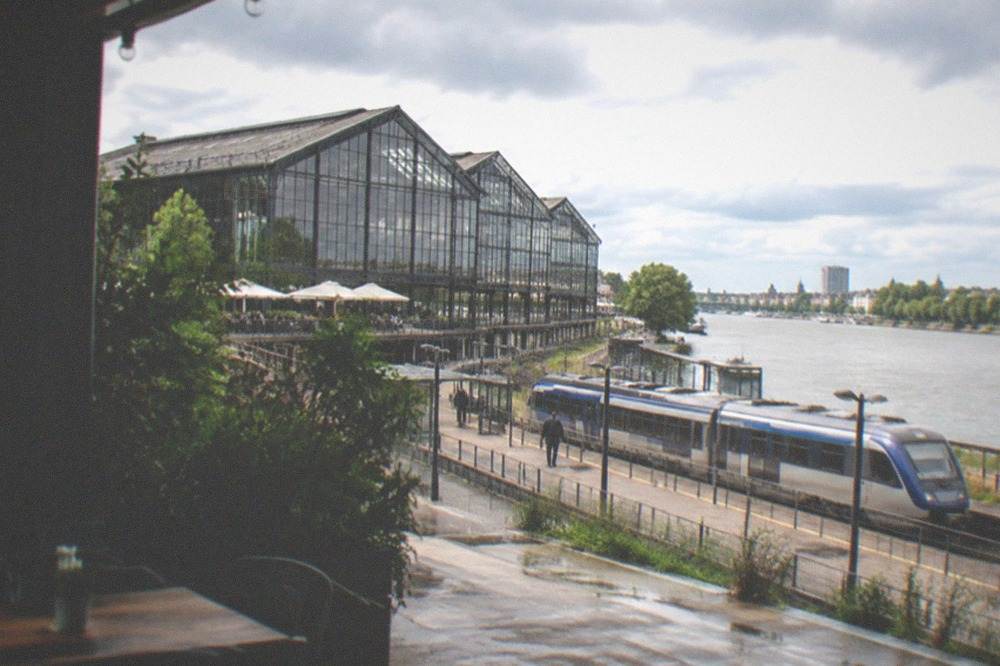
The TER train is the backbone of any Estuaire day: Saint-Nazaire lies 64 kilometres from Nantes along the north bank, with intermediate stations that put artworks within walking distance, and the same line serves the whole north-bank stretch of the trail. The train is regular, inexpensive by French regional standards, and it removes every parking question in Saint-Nazaire, where the port works and one-way systems can slow a first visit by car. For the south bank, and for the villages between, a car or a bicycle does the job better than the train.
Nantes's position makes all of this easy. The city's main station, covered in our guide to getting around Nantes, is the hub for every westward departure, and the Nantes transport network's weekend rule is worth knowing: Naolib buses and trams are free from Saturday 00:00 to Sunday 23:59 for everyone, though the airport shuttle is excluded and always costs 10 euro. A Saturday start therefore costs you nothing to reach the station, and the TER train fare west is the only transport spend of the day before you come back.
| Option for the estuary day | Strengths | Watch out for |
|---|---|---|
| TER train along the north bank | About 33 minutes to Saint-Nazaire; stations near several sites | North bank only; south bank works need other transport |
| Bicycle on towpaths and quiet roads | Both banks; the estuary is largely flat | River banks are tidal; allow a full day each way |
| Car from Nantes | Villages, south bank, flexible timing | Port-zone parking and one-way systems at Saint-Nazaire |
| Organised day trip from Nantes | Guide context on the industrial and art history | Fixed itinerary; check what the listing includes before booking |
One planning note that first-time visitors miss: the trail's two ends are its two cities, and they are not interchangeable. Nantes gives you the urban, machine-age end of the estuary, with the Things to do in Nantes roster close at hand, while Saint-Nazaire gives you the ocean end, with the Escal'Atlantic liner exhibition at 15 euro full price, 13 euro reduced, 7.50 euro for children aged 4 to 17, and the submarine Espadon nearby. Doing the trail in one day almost always means privileging one end over the other, so choose in advance which city's cluster matters more to you.
What Can You See Along The Estuary Near Nantes?
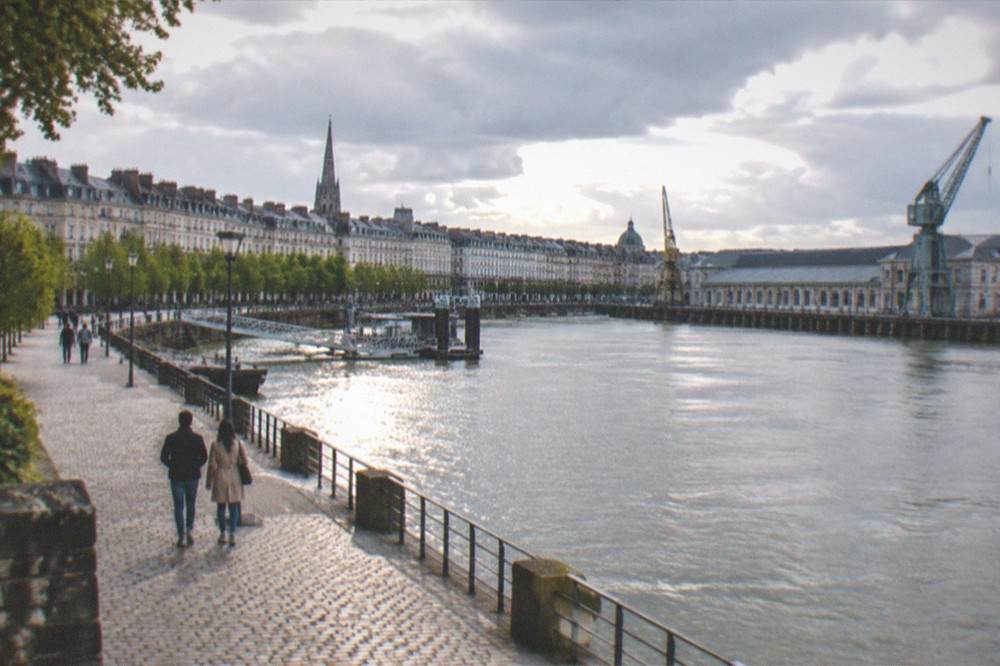
The Nantes end of the trail clusters around Île de Nantes and the downriver quays, where monumental works sit against the skyline of cranes, hangars and the former shipyard lands that also host Les Machines de l'île, and the pieces here are big enough to be read from the river bank, from a bike, or even from a Navibus river boat. This is the section that fits most easily into a morning, because it starts within the city's own transport web and needs no train at all until you choose to go west.
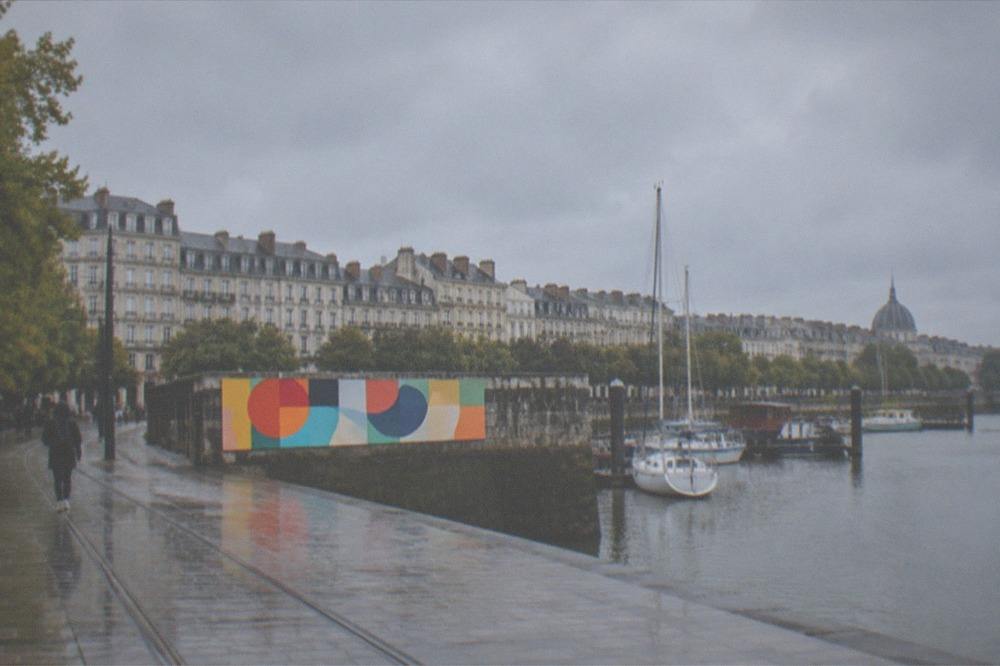
The character of this stretch is industrial and playful at once. The artworks respond to the scale of the old shipyard lands, and to the memory of the ships built here, which is the same story told inside the Machines gallery and the Hangar à Bananes strip. Expect steel, water, scale and a certain dry humour. Some works stand in the river itself and change with the tide, others sit on the paving of the former workshops, and a few are best seen from the water, which is one reason the Navibus river crossings in Nantes, priced as ordinary Naolib tickets, double as a cheap art cruise.
Context is the one thing the trail itself does not hand you. The signage is minimal by design, and the works play off two centuries of port history that a casual visitor will simply not have to hand: the slave trade that ran from the mid-17th century until Nantes withdrew in 1830, the shipyards that replaced it, and the conversion of the island into a cultural district from 2007 onward. That history is traced in our Nantes history guide and in the Basilique Saint-Nicolas attraction page, and it is exactly the background that makes the difference between looking at a sculpture on a quay and understanding why it stands there. A private guide for a morning can compress a century of it into a walk.
What Is There At The Saint-Nazaire End Of The Trail?
Saint-Nazaire is where the estuary becomes the Atlantic, and the trail's western works are built to the scale of the town's shipyards and submarine pens, so they are the most industrial and the most cinematic of the whole route, sitting beside the Escal'Atlantic liner exhibition and the port's public esplanades. The town is a terminus in every sense: the train line stops here, the river stops here, and the art stops here, on a seafront that mixes heavy naval engineering with long open views over the water.
The contrast with Nantes is the point. Upstream you get machines and gardens; downstream you get docks and the open horizon. Give the Saint-Nazaire cluster at least half a day, because the sites are spread along the port edge rather than concentrated, and because the town rewards the walk itself: the esplanade along the base of the old submarine base is one of the strangest and most memorable public spaces on the whole Atlantic coast. If you want to go further after the art, the practicalities of the wider area, including beaches and the Escal'Atlantic pricing above, are covered in our Saint-Nazaire day trip guide.
For the return, the same TER train line takes you back to Nantes in about 33 minutes, and evening arrivals put you within the city's restaurant district. A full estuary day ends, in most people's telling, with Muscadet and fish, and the estuary is the reason both exist here: the wine comes from the vineyards just south of the river, and the fish comes from the water you have been walking beside all day.
When Is The Best Time Of Year To Do The Estuaire Trail?
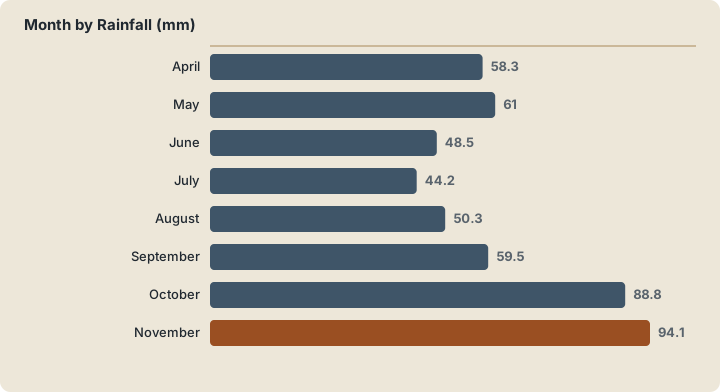
The best months for the Estuaire trail are May to September, when the mean daily maximum at the Nantes-Bouguenais station runs from 19.6 to 25.4 degrees Celsius and the estuary light is at its strongest, though the shoulder months of April, May and September are often more comfortable for walking long distances than the heat of July and August. The trail is open and free year round, but the river banks are exposed, there is almost no shade on the port sections, and winter gales off the estuary are a real factor for anyone planning to cycle.
| Month | Mean daily max (C) | Mean daily min (C) | Rainfall (mm) | Trail notes |
|---|---|---|---|---|
| April | 16.2 | 6.6 | 58.3 | Comfortable walking weather, green banks |
| May | 19.6 | 9.8 | 61.0 | Prime estuary season |
| June | 23.0 | 12.7 | 48.5 | Long days; can be hot late month |
| July | 25.1 | 14.3 | 44.2 | Driest bank of the year; peak sun at 229 hours |
| August | 25.4 | 14.2 | 50.3 | Warmest month; sunniest tally at 232.6 hours |
| September | 22.4 | 11.8 | 59.5 | Golden light, thinner crowds, good cycling |
| October | 17.6 | 9.5 | 88.8 | Quieter; rain rising |
| November | 12.9 | 5.9 | 94.1 | Wet and grey; harden yourself |
Those figures come from the Meteo-France 1991 to 2020 normals for the Nantes-Bouguenais station, and they carry two warnings worth repeating. First, the estuary's climate is temperate oceanic, not Mediterranean: rain falls in every month, and October through December are markedly wetter than summer, so a late-season visit needs a rain layer, not optimism. Second, recent summers have broken the old pattern. The station's all-time record high is now 42.2 degrees Celsius, set on 24 June 2026, with 40.4 degrees on 13 August 2026 as the August record, so midsummer walking days on an unshaded river bank need water, a hat and a start before 10:00. Our best time to visit Nantes guide breaks the seasons down further for anyone planning a longer stay.
How Much Does A Day On The Estuaire Cost?
A self-guided estuary day can cost very little, since every artwork is free and the only fixed spends are the TER train west, food and any optional museum entry, but the Pass Nantes changes the arithmetic for visitors doing the trail as part of a wider stay, because from 1 April 2026 a 24-hour pass costs 30 euro full price, 20 euro reduced, and a 72-hour pass 49 euro full, 31 euro reduced. The pass also bundles unlimited Naolib transport, a return airport shuttle trip, and entries to partner sites including the Galerie des Machines and the Carrousel des Mondes Marins, which sit at the Nantes end of the trail's story.
| Pass Nantes duration (from 1 April 2026) | Full | Reduced (4-17, students under 26, disability card) | Family (2 adults + 2 children) |
|---|---|---|---|
| 24 hours | 30 euro | 20 euro | 80 euro |
| 48 hours | 40 euro | 26 euro | 106 euro |
| 72 hours | 49 euro | 31 euro | 129 euro |
| 7 days | 75 euro | 45 euro | 195 euro |
| Typical estuary day spend | Figure from the pack |
|---|---|
| TER train Nantes to Saint-Nazaire | About 33 minutes, 64 km; fare not stated in the pack, buy on the day |
| Escal'Atlantic at Saint-Nazaire | 15 euro full, 13 euro reduced, 7.50 euro child 4-17 |
| Machines de l'île single attraction (Nantes end) | 12 euro full, 10 euro reduced, 8 euro ages 4-12, free under 4 |
| Machines two-attraction day package | 20 euro full, 14 euro child, 17 euro reduced |
| Naolib 24-hour ticket (city transport) | 6.80 euro |
| Mémorial de l'abolition de l'esclavage, Nantes | Free |
| Cathedral and Passage Pommeraye, Nantes | Free |
Budget travellers should read the pattern rather than the totals. The trail itself is the cheapest full day out in the region: zero euro of admission, one train fare, and whatever you choose to spend on lunch, and the free things to do in Nantes roundup extends with more no-cost ideas clustered around the same river. The optional extras, Escal'Atlantic, the Machines, a Muscadet tasting at the Maison des vins at Vallet, are what push the day into the range of a conventional sightseeing trip, and each of them is worth it for a different kind of visitor.
One of those extras deserves a special mention, because it is the natural companion to an estuary day. The Muscadet appellation sits just south of the river you will have followed all day, and the vineyards are close enough to reach from Nantes on a half-day loop. If the idea of a glass of the local Melon de Bourgogne after a morning on the quays appeals, a guided vineyard outing does the driving for you.
The tasting room at Vallet, the Maison des vins, is the hub of the appellation, and the 2026 vintage will be an interesting one to taste: the harvest ban was declared on 11 August 2026, a record eight days earlier than the old mark, after heat and drought cut yields. A guide who knows the producers will explain what that means in the glass better than any label can.
Common Questions About The Estuaire Nantes Saint Nazaire Trail
Is the Estuaire art trail free?
Yes. All 33 works on the 23 sites stand in public space and cost nothing to visit, at any time of day or year. Your only spends are transport, food and any optional paid attraction you add, such as Escal'Atlantic at Saint-Nazaire or the Machines gallery at the Nantes end.
How far is it from Nantes to Saint-Nazaire along the trail?
The river corridor runs roughly 60 kilometres between the two cities, and the rail distance is 64 km. The TER train covers it in about 33 minutes, while walking or cycling the full trail is a two-day project for most people, usually split by bank.
Can you do the Estuaire trail without a car?
Yes. The TER train line along the north bank serves the trail with stations near several sites, and the Nantes end is fully covered by trams, buses and Navibus river boats on ordinary Naolib tickets. A car only adds value for the south bank villages.
How many artworks are there on the Estuaire trail?
The official trail page lists 33 works across 23 sites between Nantes and Saint-Nazaire. They range from monumental pieces visible from passing trains to small installations in villages along both banks.
Is the Estuaire trail suitable for children?
The estuary works well for families because the headline pieces are huge, physical and free to run around, and the train ride itself is part of the fun. The river banks are tidal and unfenced in places, so keep small children close along the water, and bring layers: the wind off the estuary is constant.
Where should you eat on an Estuaire day?
Both termini eat well. Nantes covers the full range, and the river fish tradition, including beurre blanc and Muscadet, belongs to the estuary itself. At Saint-Nazaire, the port edge has the seafood you would expect from a town that still works the Atlantic.
Where Should You Stay To Do The Trail?
Nantes is the practical base for almost every Estuaire itinerary, because the trail starts there, the TER train line to Saint-Nazaire departs from there, and the city's own attractions fill any spare half-days, so a central hotel in Nantes beats a night in Saint-Nazaire unless you are specifically chasing the ocean light at dawn or extending west towards the beaches. The full breakdown of districts, prices and convenience, from Bouffay to Île de Nantes to the quieter reaches around the Erdre, is in our where to stay in Nantes guide.
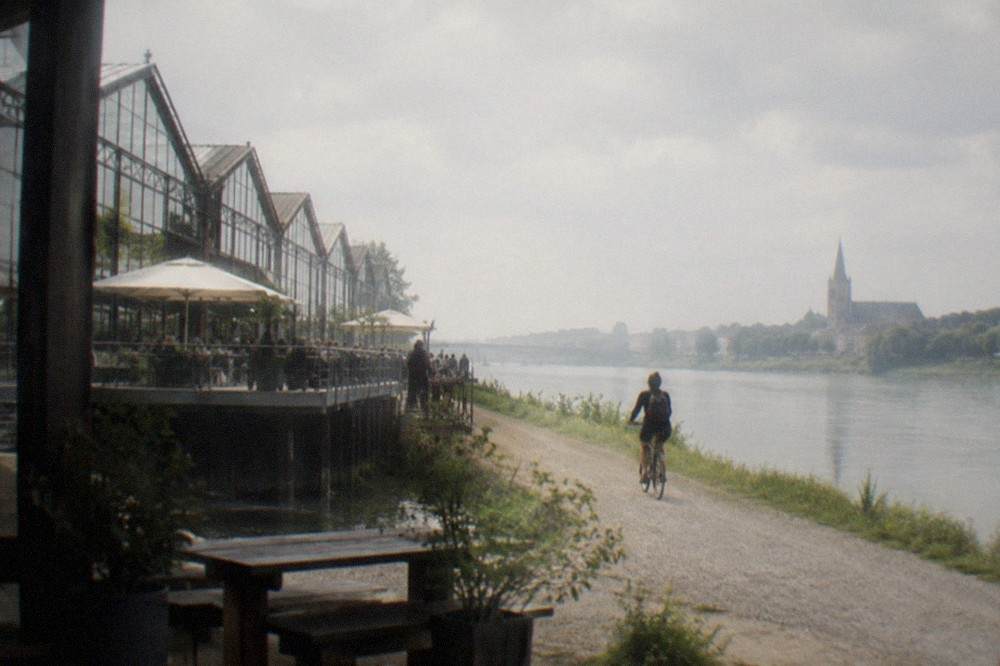
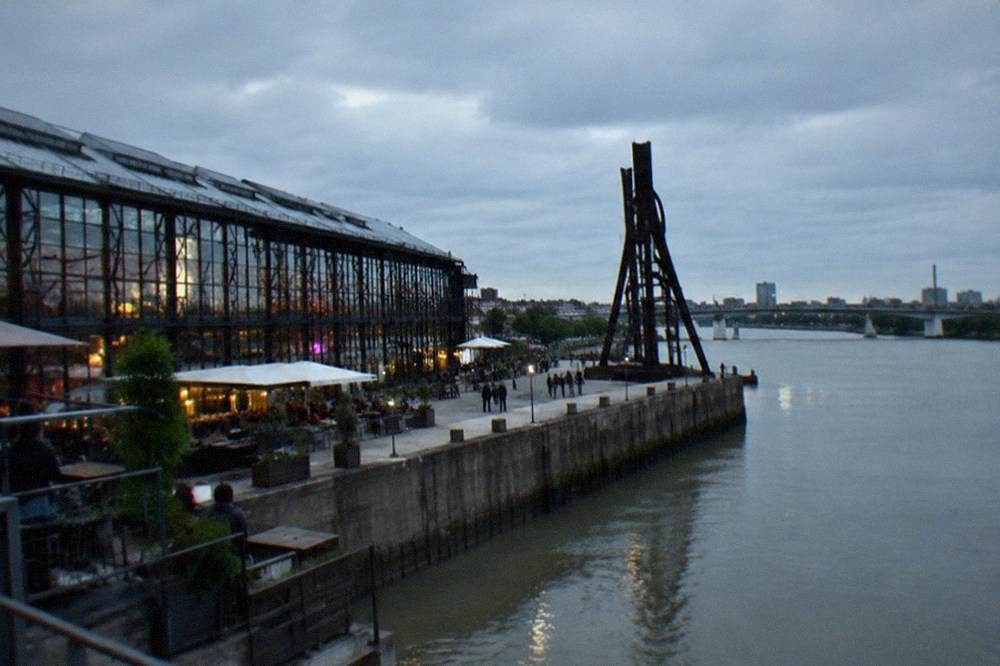
Two practical closing notes from the desk. First, anyone flying in for the estuary should read the Nantes airport guide and the Nantes airport to city centre guide, since the shuttle costs 10 euro and is excluded from the free weekend transport rule. Second, if the estuary whets your appetite for longer journeys along the same coast, the Saint-Malo day trip guide starts from the same station you will use for the trail. The estuary is the best one-day introduction to what the Loire means between the two cities that bookend it, and it costs almost nothing but a train fare and a long walk to see for yourself.