Basilique Saint Nicolas Nantes
The Basilique Saint Nicolas sits in the historic heart of Nantes, France, a short walk from the cathedral, the Château des ducs de Bretagne and the Passage Pommeraye. This guide covers what the church is, how to reach it on the Naolib network, what surrounds it, and how it fits into a day in the Loire-Atlantique prefecture.
Short answer
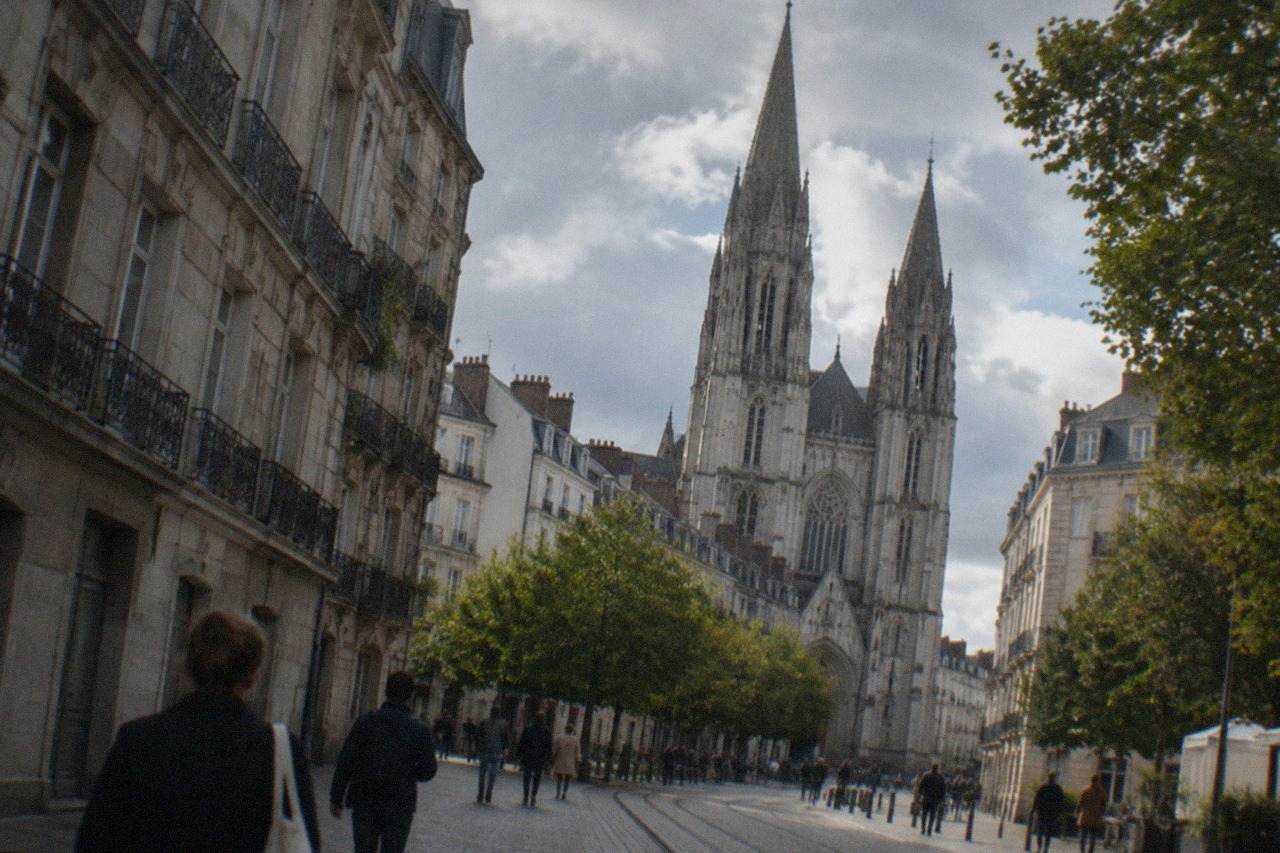
The Basilique Saint Nicolas is a parish church holding basilica status in the Bouffay quarter of central Nantes, France, steps from the cathedral and the Château des ducs de Bretagne. It sits on the Naolib tram network, is surrounded by walkable historic streets, and makes an easy stop on any route through the old town.
Nantes, in the Loire-Atlantique department of the Pays de la Loire region in western France, keeps its religious heritage clustered within a compact historic core, and the Basilique Saint Nicolas stands in the middle of it, in the old Bouffay quarter between the Château des ducs de Bretagne and the Loire-side streets of the Île Feydeau. Visitors reaching the city by TGV from Paris Montparnasse, a run of roughly two hours on the fastest direct services according to the timetable data on file, arrive within a fifteen-minute tram ride of the quarter. This page explains what the basilica is, how to reach it with the Naolib network, what the surrounding streets hold, and how to fold it into a day in the city without paying for anything you should be getting free.
What Is The Basilique Saint Nicolas In Nantes?
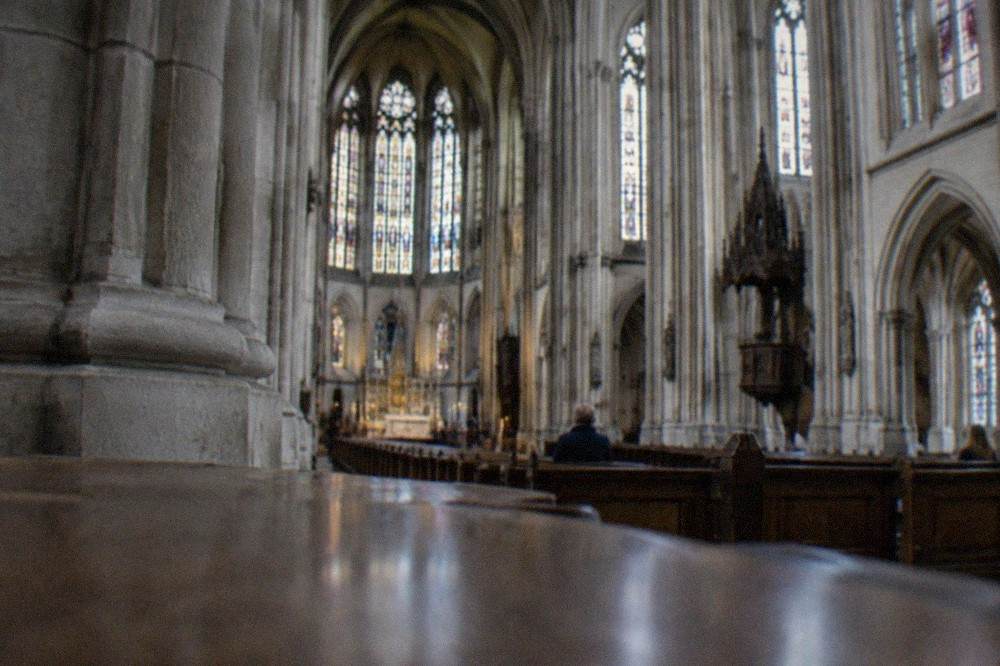
The Basilique Saint Nicolas is a church holding minor basilica status in the Bouffay quarter of central Nantes, France, the historic core of the city where the medieval street pattern survives around the cathedral, the Château des ducs de Bretagne and the old commercial streets leading down to the Loire. It functions as a working parish church rather than a ticketed museum, which sets it apart from the state-run monuments nearby and makes it a short, atmospheric stop between larger sights.
The Bouffay quarter takes its name from the medieval Château du Bouffay, of which only fragments remain, and it is the part of Nantes where the city's street plan is oldest. The basilica's towers are among the vertical landmarks that orient visitors moving between the cathedral, the place Royale and the Graslin district. Unlike the Musée d'histoire de Nantes inside the château, which charges admission and closes on Mondays, a church of this kind sits open in the rhythm of parish life, and the sensible approach is to treat it as a free waypoint in the old town rather than a destination demanding a timed slot.
That framing matters for planning. The old core of Nantes is genuinely walkable, and the cluster of sights within a few minutes of the basilica includes the cathedral, which partially reopened on 27 September 2025 after the 2020 fire with full restoration targeted for 2028, the free ramparts and courtyard of the Château des ducs de Bretagne, and the Passage Pommeraye, the 1843 covered shopping gallery that the city's own tourism office describes as unchanged since it was built. A route linking all of these passes the basilica naturally, which is why guided walks through the centre so often include it.
How Do You Get To The Basilique Saint Nicolas?
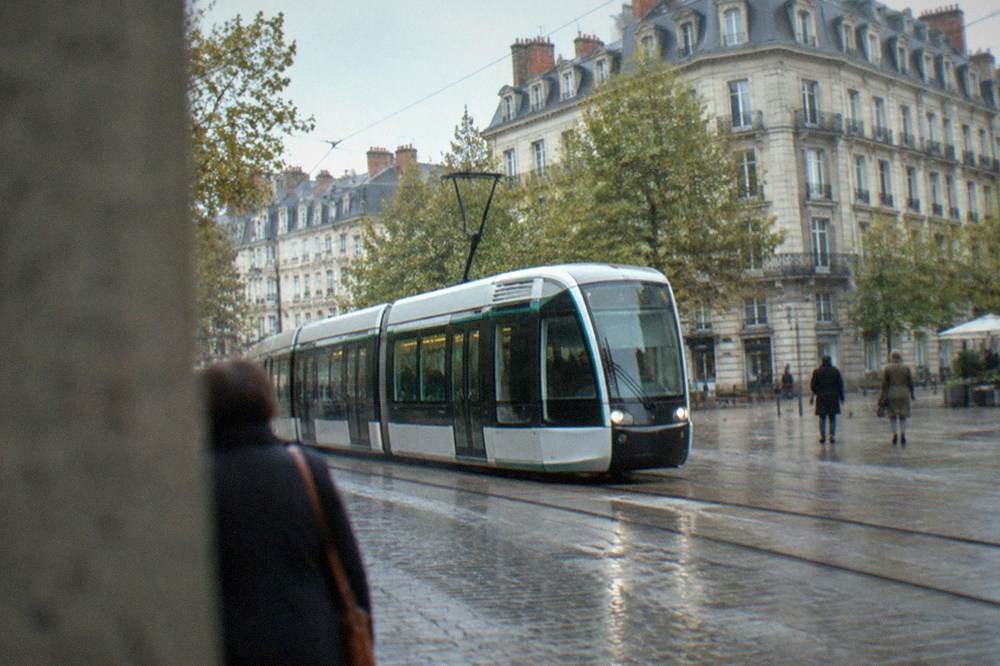
The basilica sits inside the Naolib fare zone in central Nantes, France, reachable by any of the city's three tram lines with a transfer to the old town stops, and a single one-hour ticket costs 1.80 EUR covering trams, buses and the Navibus river shuttles. On Saturdays and Sundays the whole Naolib network is free for everyone from 00:00 Saturday to 23:59 Sunday, with one exception, the 10 EUR airport shuttle, which always charges and is never included in the weekend free travel.
The Naolib fare table on file gives the options plainly. A single one-hour ticket is 1.80 EUR, a carnet of ten is 17.80 EUR, a 24-hour ticket is 6.80 EUR, and a 24-hour ticket valid for four people travelling together is 15 EUR. The weekend free-travel rule has been in place since 2021 according to the network's own tariff page, and it applies to visitors exactly as it applies to residents, so a weekend arrival can move around the entire city on trams, buses and Navibus river crossings without paying a cent. The one trap is the airport: the Navette Aéroport costs 10 EUR each way regardless of the day, a fare the airport's own access page confirms, and no weekend discount touches it.
| Naolib ticket | Price | Validity |
|---|---|---|
| Single 1-hour ticket | 1.80 EUR | All trams, buses, Navibus and TER inside the metropole |
| Carnet of 10 tickets | 17.80 EUR | Ten 1-hour tickets |
| 24-hour ticket | 6.80 EUR | One person, 24 hours |
| 24-hour ticket, 4 people | 15 EUR | Group of up to four, 24 hours |
| Weekend travel | Free | Saturday 00:00 to Sunday 23:59, all users |
| Airport shuttle (Navette Aéroport) | 10 EUR | Always charged, excluded from weekend free travel |
For anyone staying longer or moving between paid sights, the Pass Nantes wraps transport and attractions into one price. Valid from 1 April 2026, the pass covers unlimited Naolib travel, one return airport shuttle trip, one TER return to Clisson and single entries to partner sites including the château museum, the Galerie des Machines and the Carrousel des Mondes Marins. Note the exclusion the operators themselves flag: the Grand Éléphant ride is not included in the pass.
| Pass Nantes duration | Full price | Reduced price | Family price (2 adults, 2 children) |
|---|---|---|---|
| 24 hours | 30 EUR | 20 EUR | 80 EUR |
| 48 hours | 40 EUR | 26 EUR | 106 EUR |
| 72 hours | 49 EUR | 31 EUR | 129 EUR |
| 7 days | 75 EUR | 45 EUR | 195 EUR |
Whether the pass pays off depends almost entirely on how many paid museums and attractions you stack alongside the free ones. A day built around the basilica, the cathedral, the château courtyard and the Passage Pommeraye spends very little, because three of those four cost nothing to enter.
A private guide changes the arithmetic differently: instead of paying per sight, you pay for the route itself, and a guide who knows the old town will weave the basilica into a story that also covers the cathedral's restoration, the slave-trade history commemorated at the Mémorial de l'abolition de l'esclavage and the covered passages of the 19th-century city. If that appeals, the private custom walking tour below can be shaped around exactly the streets you want.
What Can You See Around The Basilique Saint Nicolas?
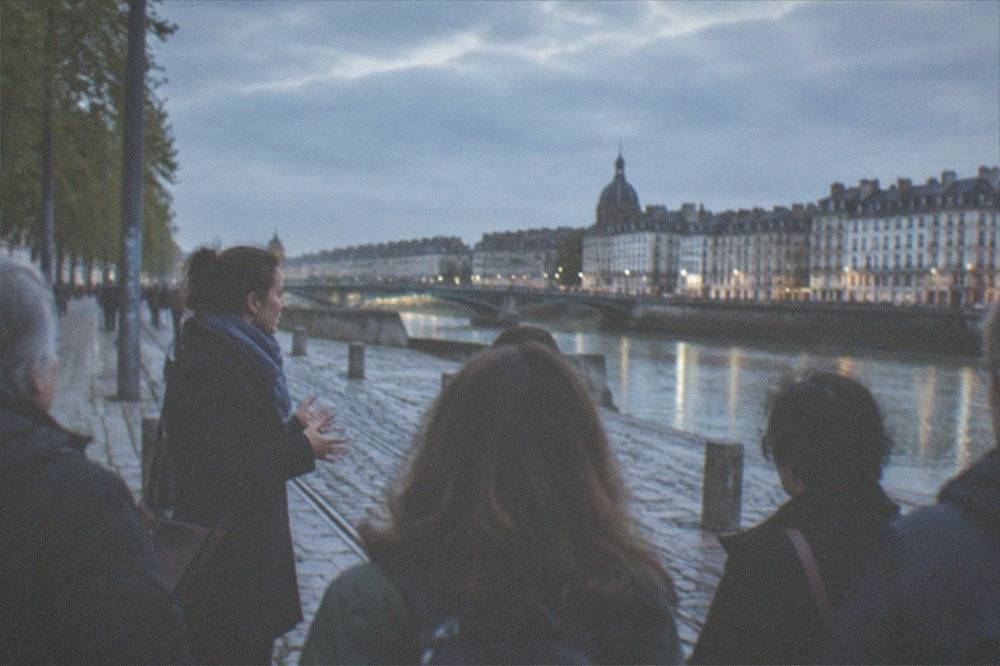
Within a short walk of the basilica you can reach the Cathédrale Saint-Pierre-et-Saint-Paul, the Château des ducs de Bretagne, the Passage Pommeraye, the Musée d'arts de Nantes and the Place Royale, the densest sightseeing quarter of Nantes, France.
The cathedral, partially reopened on 27 September 2025 after the July 2020 fire, is free to enter, while the château's inner museum charges 9 EUR full price and the Musée d'arts charges 9 EUR with a free Thursday evening window from 19:00 to 21:00.
The cathedral deserves the most time of any single stop near the basilica. Its gothic rebuild began in 1434 and ran 457 years, completing in 1891, and its recent history has been dramatic: an arson fire on 18 July 2020 destroyed the grand organ, the partial reopening came on 27 September 2025, and the full restoration is planned for 2028. The restoration reporting on file notes that the tomb of Francis II, the Renaissance masterpiece by Michel Colombe, has had its effigies visible to the public since around 20 February 2026, with full reinstallation expected by the end of 2026. Anyone writing off the cathedral as "still closed after the fire" is years out of date.
The Château des ducs de Bretagne, a few minutes north, offers a free courtyard, ramparts and moat garden open from 8:30 to 19:00 daily, with the Musée d'histoire de Nantes inside charging 9 EUR full and 5 EUR reduced. Anne of Brittany, born at the château on 25 January 1477, is the historical thread that ties the quarter together, and the museum's 32-room parcours on the city's history includes the Atlantic slave trade, in which Nantes ran 1,714 of at least 4,220 French expeditions, 43 per cent of the French trade, before withdrawing in 1830. Those figures come from the Mémorial de l'abolition de l'esclavage, the free quayside memorial a longer walk or short tram ride away, and they are worth carrying into any visit to the old port streets.
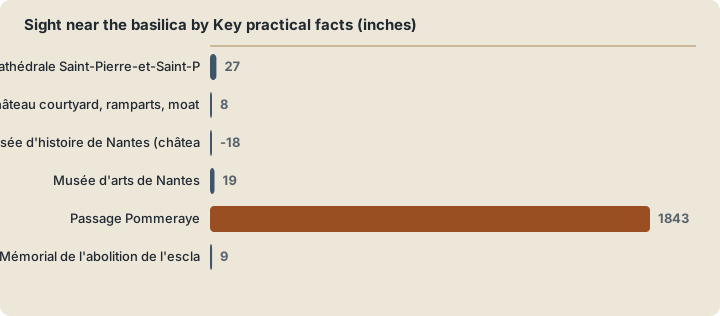
| Sight near the basilica | Admission | Key practical facts |
|---|---|---|
| Cathédrale Saint-Pierre-et-Saint-Paul | Free | Partially reopened 27 September 2025, full reopening planned 2028 |
| Château courtyard, ramparts, moat garden | Free | Open daily 8:30-19:00, until 20:00 in July and August |
| Musée d'histoire de Nantes (château) | 9 EUR full, 5 EUR reduced | Closed Mondays, free for under-18s |
| Musée d'arts de Nantes | 9 EUR full, 4 EUR reduced | Closed Tuesdays, free 19:00-21:00 Thursdays |
| Passage Pommeraye | Free to walk through | Built 1843, open daily |
| Mémorial de l'abolition de l'esclavage | Free | Daily 9:00-18:00 (off-season), 9:00-20:00 in summer |
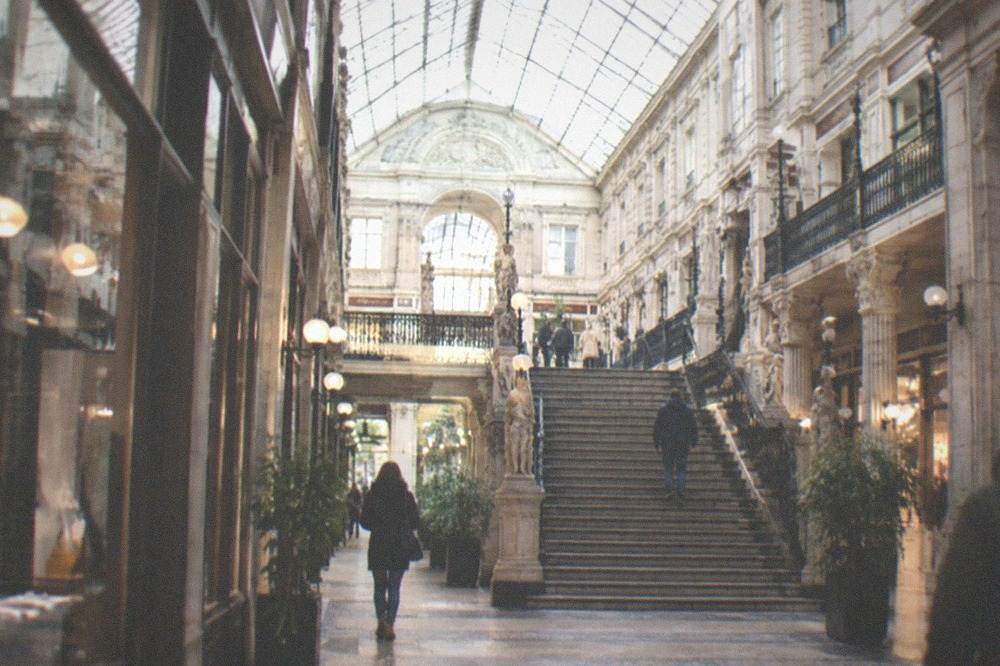
The Passage Pommeraye is the commercial counterpoint to all this stone. Built in 1843 across three floors on a slope, it remains a working shopping gallery, and the tourism office's own page describes it as unchanged since the 19th century. Walking from the basilica through the old streets to the passage, then on to the Place Royale and the Graslin district with its theatre and the brasserie La Cigale, is the classic centre-of-Nantes circuit, and none of the walking costs anything.
Which Nantes Attractions Around The Basilica Charge Admission?
The paid sights near the basilica are the Musée d'histoire de Nantes at 9 EUR, the Musée d'arts de Nantes at 9 EUR, the Musée Dobrée at 9 EUR and the Musée Jules Verne at 4 EUR, while the cathedral, the château grounds, the Passage Pommeraye and the Mémorial de l'abolition de l'esclavage are all free.
A 15 EUR Pass Musées gives one year of unlimited entry to the château museum, the Musée d'arts, the Musée Jules Verne and the Chronographe in Rezé. Everything else covered here is indexed on Nantes Travel Guide.
That contrast is the single most useful planning fact for this quarter. Nantes layers its free public realm, courtyards, gardens, churches, passages, memorial, directly alongside its paid museum interiors, and visitors who know which is which can pace a day so the paid stops land in the middle, bracketed by free ones. The Muséum d'histoire naturelle is the one entry to strike from any list: it has been closed for works since November 2025 and is scheduled to reopen in 2029, so no rainy-day plan should include it. The city's museum pages confirm the closure and the 2029 target.
The Musée Jules Verne is the outlier in every sense. At 4 EUR full and 1.50 EUR reduced, on the Butte Sainte-Anne south of the river, it costs less than the others and celebrates the city's most famous son, born at 4 rue Olivier-de-Clisson on the Île Feydeau on 8 February 1828. A bigger Cité des Imaginaires is planned to open in the Bas-Chantenay Cap 44 building in 2028, so the current small museum is, in effect, a closing window on a modest format. For more on the city-wide picture of paid and free sights, the things to do in Nantes overview collects the full range.
Bookable products printed below carry their own verified prices and ratings, rendered live from the operator data rather than typed here, so the figures you see are the figures the listings currently publish.
When Is The Best Time Of Year To Visit?
The most comfortable months for exploring central Nantes, France on foot are mid-June to mid-September, when the 1991-2020 normals for the Nantes-Bouguenais station give mean daily maximums of 23.0 to 25.4 °C, though June is the wettest month at 79.1 mm of rain and July the driest at 44.2 mm. April, May and September offer a milder middle path, and the summer of 2026 pushed the station record to 42.2 °C on 24 June.
The climate here is temperate oceanic, not Mediterranean, and the annual totals make the pattern plain: 819.5 mm of rain across 119.7 days with at least 1 mm, and 1,873.3 hours of sunshine a year, with August the sunniest month at 232.6 hours. The shoulder seasons suit the basilica quarter particularly well, because its sights are a mix of interiors and open streets, and a mild day lets you move between the cathedral, the château courtyard and the riverside without weather forcing a choice.
| Month | Mean max °C | Mean min °C | Rain mm |
|---|---|---|---|
| January | 9.3 | 3.4 | 87.9 |
| April | 16.2 | 6.6 | 58.3 |
| June | 23.0 | 12.7 | 79.1 |
| July | 25.1 | 14.3 | 44.2 |
| September | 22.4 | 11.8 | 59.5 |
| December | 9.8 | 3.7 | 101.0 |
Winter has its own draw, and it is not the weather. The Nantes Christmas market, the Marché de Noël known as Le Voyage en Hiver, runs from 19 November to 27 December 2026 on the Place Royale and Place du Commerce, both within the basilica's orbit, opening 11:00 to 21:30 Monday to Saturday and 11:00 to 20:00 on Sundays with free entry. A December walk from the basilica to the market stalls is the shortest festive circuit in the city, and the wider winter picture, including the January Folle Journée classical festival, runs 27 to 31 January 2027 with its "Galaxie Beethoven" theme, is covered in the site's seasonal guides.
Can A Guided Walk Include The Basilique Saint Nicolas?
Yes, private and small-group walking tours of central Nantes, France routinely route through the Bouffay quarter where the basilica stands, and a private custom walk can be built specifically around the old town's churches, the cathedral, the château and the covered passages in a single outing. Private custom tours in the city run from two to eight hours, giving enough time to add the Île Feydeau or the quays, and the listings below show the current prices, ratings and durations exactly as the operators publish them.
The appeal of a guide in this particular quarter is density. Every block between the basilica and the river carries a layer of history, from the 1434 start of the cathedral's 457-year build to the 1598 Edict of Nantes signed by Henri IV at the château in April of that year, and a guide who sequences these stops turns a pleasant wander into a coherent story. The city's darker chapters belong in that story too: the slave-trade history that the Mémorial de l'abolition de l'esclavage documents, with 1,714 expeditions and 43 per cent of the French trade, sits close to the old port alignments a good walk will reach.
For visitors who prefer structure without a guide, the alternative is the self-guided route described across this site's neighbourhood pages, and for those who want the storytelling, the two options below are the walk formats that best fit the old core. The surprise walk takes a different angle from the custom tour, and both can be checked for current availability through the live listings.
What Else Should You Plan Around The Basilica Quarter?
The basilica quarter works best as the anchor of a half-day in central Nantes, France, paired with the free château grounds and cathedral, one paid museum and a riverside finish. It connects by tram or TER to day trips including Clisson from about 15 minutes by train and Saint-Nazaire from about 33 minutes according to the rail data on file, while the Île de Nantes with Les Machines de l'île is a short tram hop across the Loire.
Les Machines de l'île deserves its slot on any itinerary that starts in the old town. Inaugurated on 30 June 2007 with the Grand Éléphant, the site's Galerie, Carrousel and elephant ride each charge 12 EUR full price, with day packages at 20 EUR for two attractions and 29 EUR for three. Two maintenance windows matter for planning: the Carrousel closed 22 to 25 September 2026, and no elephant rides run from 2 November 2026 to 28 February 2027. The much-hyped Arbre aux Hérons, by contrast, was abandoned by Nantes Métropole in September 2023, and La Machine filed a legal claim against the Métropole in December 2025, so treat any suggestion that it is opening soon as out of date.
| Day trip from Nantes | Fastest train time | What it offers |
|---|---|---|
| Clisson | ~15 min | Italianate town, château, vineyards |
| Saint-Nazaire | ~33 min | Escal'Atlantic liner museum, shipyards |
| La Baule | ~51 min | Beach resort, combined well with Guérande |
| Pornic | ~59-65 min | Fishing port and coastal walks |
| Le Croisic | ~1 h 03 | Oyster port and rocky coast |
Back in the centre, the practical furniture of a visit is straightforward. The Nantes Métropole tourist tax is reported at 2.86 EUR per person per night in a 4-star hotel, 1.87 EUR in a 3-star and 1.10 EUR in a 2-star, figures cited from the metropole's tax schedule rather than presented as a flat rule, since exact voted rates apply per classification. France is a founding Schengen member, so no border formalities interrupt arrival from elsewhere in the zone, and the local till currency is the euro throughout, from the 1.80 EUR tram ticket to the 9 EUR museum admission.
The wider Loire context rewards a little planning. The Château des ducs de Bretagne guide covers the museum in depth, the Nantes cathedral page tracks the restoration in detail, and the Passage Pommeraye guide handles the 1843 gallery's history. For art beyond the old town, the Musée d'arts de Nantes explains its collections and Thursday free evenings, and the Estuaire trail, with 33 works across 23 sites between Nantes and Saint-Nazaire, is laid out in the Estuaire art trail guide.
Common Questions About The Basilique Saint Nicolas In Nantes
What Is The Basilique Saint Nicolas In Nantes?
It is a church holding minor basilica status in the Bouffay quarter, the historic core of Nantes, France, standing between the cathedral, the Château des ducs de Bretagne and the streets leading down to the Loire. It functions as a parish church rather than a ticketed monument, which makes it a free and atmospheric stop on any old-town route.
Is The Basilique Saint Nicolas Free To Visit?
As a working parish church in the historic centre, it is not a ticketed attraction in the way the city's museums are, and the surrounding quarter's headline sights include several genuinely free ones: the cathedral, the château courtyard, ramparts and moat garden, and the Passage Pommeraye. The paid interiors nearby are the château museum at 9 EUR and the Musée d'arts at 9 EUR.
How Far Is The Basilique Saint Nicolas From Nantes Cathedral?
Both stand in the same historic core of central Nantes, France, within the compact Bouffay quarter, so the walk between them is short and passes through the oldest street pattern in the city. The cathedral partially reopened on 27 September 2025 after the 2020 fire, with full restoration planned for 2028, so check current access before planning a long interior visit.
How Do I Reach The Basilique Saint Nicolas By Public Transport?
The basilica sits inside the Naolib fare zone, and a single one-hour ticket at 1.80 EUR covers trams, buses and the Navibus river shuttles. At weekends the whole network is free from 00:00 Saturday to 23:59 Sunday, with the sole exception of the 10 EUR airport shuttle, which is always charged.
What Can I See Near The Basilique Saint Nicolas?
The Château des ducs de Bretagne with its free courtyard and 9 EUR history museum, the Cathédrale Saint-Pierre-et-Saint-Paul, the 1843 Passage Pommeraye, the Place Royale and the Graslin district with its theatre and the brasserie La Cigale are all within easy walking distance of the basilica in the centre of Nantes, France.
When Is The Best Time To Visit The Basilica Quarter?
Mild months suit the quarter best, since its appeal mixes interiors and open streets. Météo-France's 1991-2020 normals for Nantes-Bouguenais show mean maximums from 9.3 °C in January to 25.4 °C in August, with June the wettest month at 79.1 mm. December adds the Christmas market on the Place Royale and Place du Commerce, running 19 November to 27 December 2026.
A visit to the Basilique Saint Nicolas costs almost nothing but rewards a little context: the church, the cathedral, the château and the Passage Pommeraye together tell the story of old Nantes in the space of a few streets, and the trams that run past them all are free at the weekend.