Edict Of Nantes
The Edict of Nantes is the decree Henri IV signed in April 1598 to end France's wars of religion, and it took its name from the city in Loire-Atlantique, in the Pays de la Loire region of western France, where the king finally brought the last rebellious stronghold to terms. This guide covers the history, the château where it happened, and how to see the place today.
Short answer
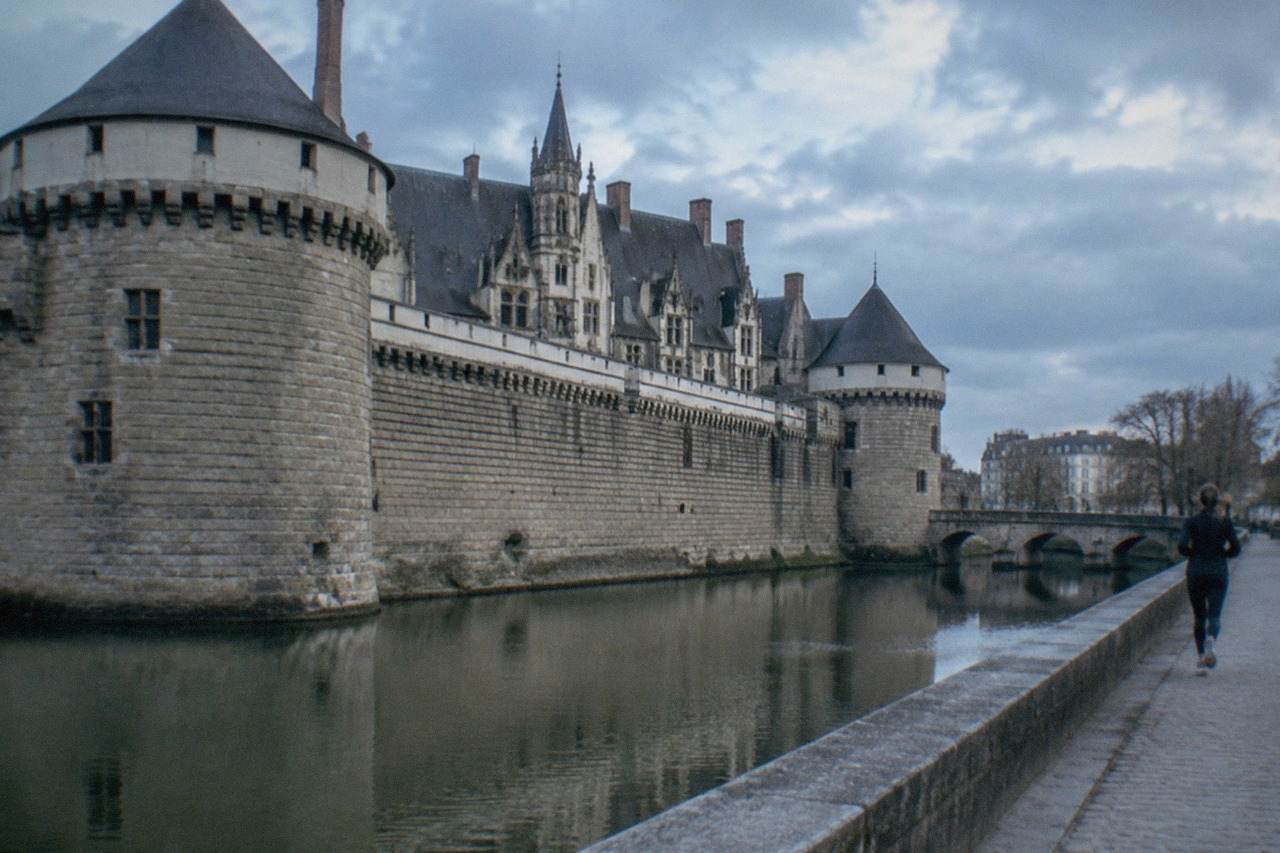
The Edict of Nantes was signed by Henri IV in April 1598, at the Château des ducs de Bretagne in Nantes. The château's own page dates it to 30 April 1598; the textbook date is 13 April. The château museum is open today, 9 EUR full tariff, closed Mondays.
The Edict of Nantes is the decree Henri IV signed in April 1598 to close decades of religious warfare in France, and it carries the name of the city in Loire-Atlantique, in the Pays de la Loire region of western France, where the signature took place. Nantes, standing on the Loire and the Erdre, was the last city holding out against the king, defended by the Duke of Mercœur, and the peace was sealed in the fortress at its heart: the Château des ducs de Bretagne. That building still stands on the eastern edge of the old town, a walk of a few minutes from the cathedral, and it now holds the city's history museum. This guide sets out what the edict was, why it was signed here, what the château shows today, and how to plan a visit around it, with verified prices, hours and dates throughout.
What Was The Edict Of Nantes, And Why Does It Carry The City's Name?
The Edict of Nantes was the peace decree Henri IV signed in April 1598 to end decades of religious war in France, and Nantes gave it its name because the city hosted the signature. The château's own history page dates the signing to 30 April 1598 at the Château des ducs de Bretagne, while the textbook date is 13 April, which is why careful guides write April 1598. Nantes was the last city holding out, under the Duke of Mercœur, before the king's authority was restored.
The edict's purpose was settlement. France had been torn by wars between the Catholic crown and Protestant communities for the better part of the sixteenth century, and the new king, himself a converted Protestant, needed a legal instrument that both sides could accept. The Edict of Nantes granted Protestants a recognised place in the kingdom, with guarantees for their worship and their security, and in exchange they accepted the king's authority. It was one of the first attempts in European history to write religious coexistence into law rather than enforce a single faith.
The name is the part that confuses many visitors. The drafting and formalities of the edict ran through Paris and other royal centres, and the document is known to have been prepared in stages. What happened at Nantes was the final act: the signature of the completed text by Henri IV in the city that had been the last to resist him. The château's own page, which is the closest thing to a primary source a visitor can read, is firm on the point that the king signed it at the château itself, and that the château dates the act to 30 April 1598.
| Question | Answer |
|---|---|
| What was the Edict of Nantes? | A royal decree ending the religious wars and granting legal recognition and protection to Protestants in France |
| Who signed it? | Henri IV, King of France |
| When was it signed? | April 1598; the château's own page dates it to 30 April 1598, the textbook date is 13 April |
| Where was it signed? | The Château des ducs de Bretagne, Nantes, Loire-Atlantique, France |
| Why Nantes? | Nantes was the last city holding out, under the Duke of Mercœur, and the signature sealed its submission |
| Why two dates in circulation? | Sources differ; the château's page gives 30 April, older textbooks 13 April, so April 1598 is the safe wording |
The safest phrasing for any traveller repeating the story is April 1598. Both dates in circulation refer to the same document and the same king; the difference is which source a writer follows. The château des ducs de Bretagne, as the site of the signature, is entitled to its own dating, and its page is the one a visitor standing in the building can check on the spot.
Where Was The Edict Of Nantes Signed In Nantes?
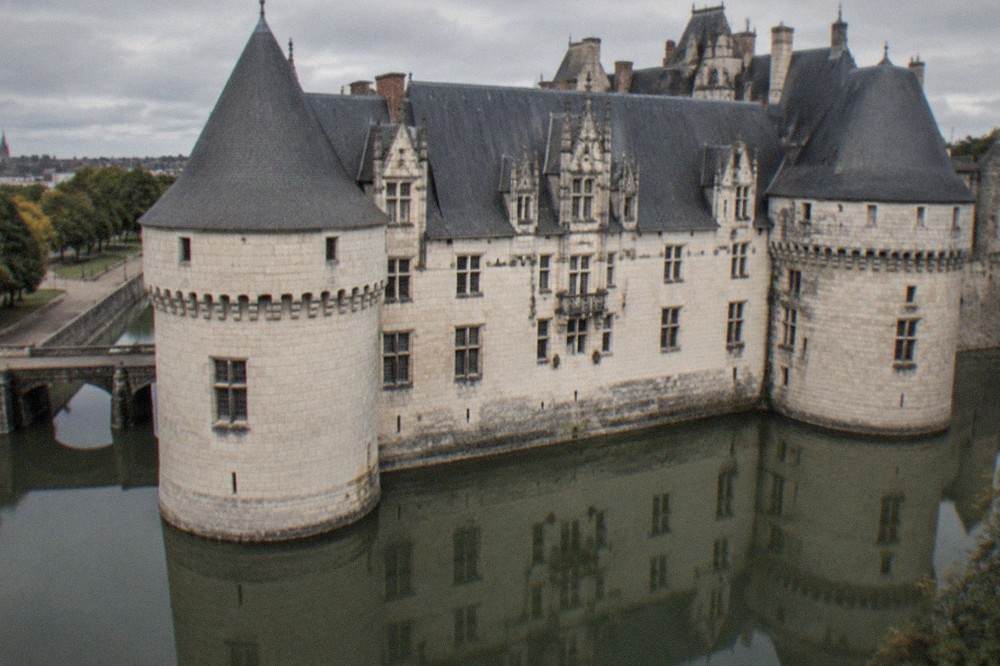
The edict was signed at the Château des ducs de Bretagne in central Nantes, the fortress the Dukes of Brittany rebuilt from 1466 under Francis II. His eldest daughter Anne of Brittany, born there on 25 January 1477, died on 9 January 1514 at the Château de Blois aged 37, and the duchy joined the kingdom of France in 1532. By 1598 the château was a royal fortress where Henri IV could impose terms on a city that had resisted him longest.
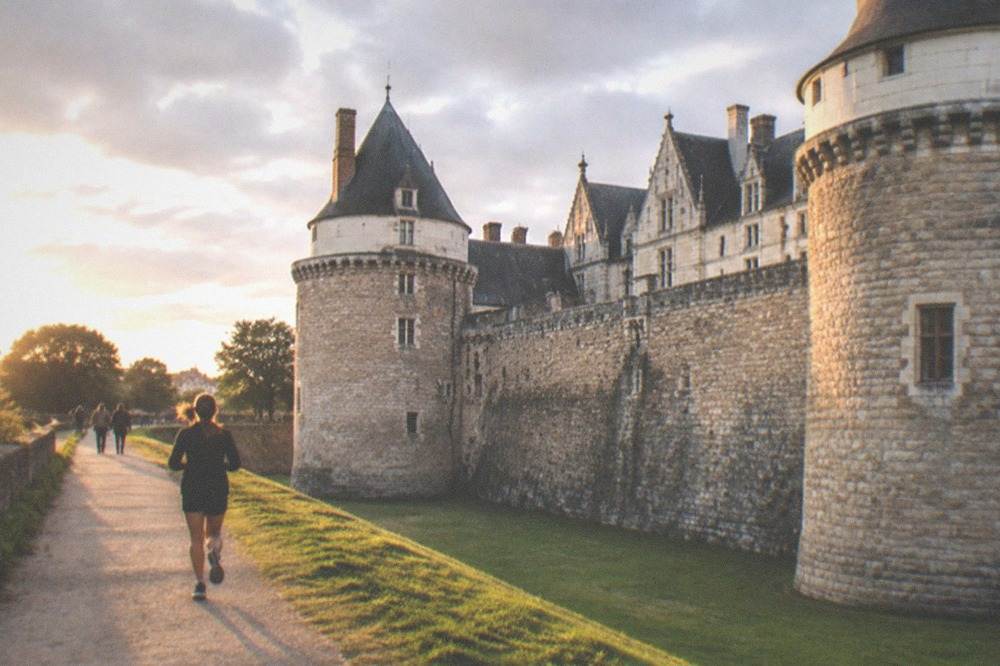
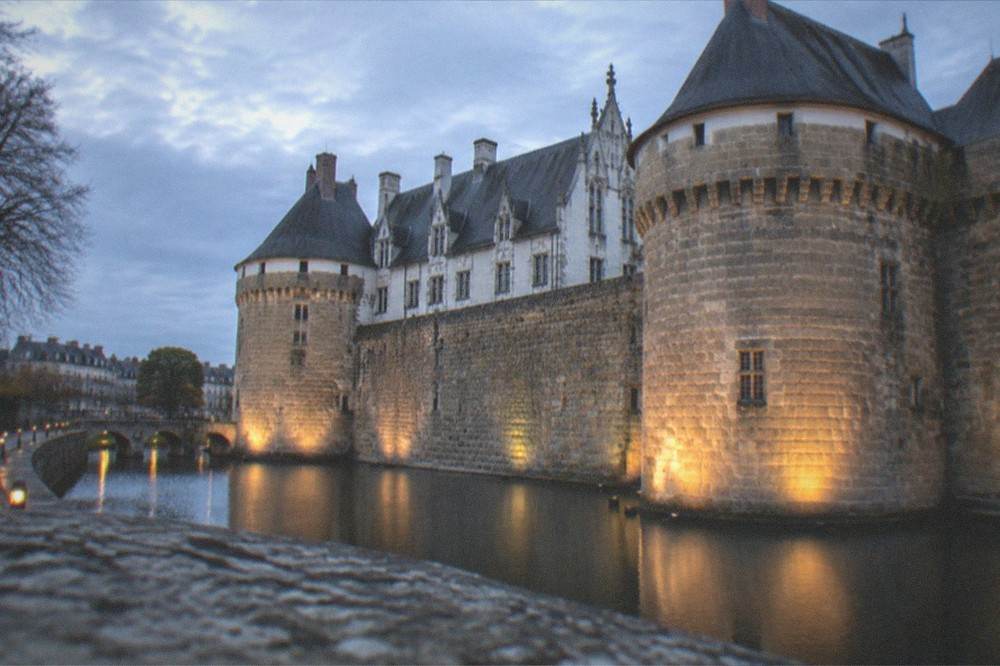
The building Henri IV knew was already more than a century old. Francis II, Duke of Brittany, began rebuilding the older medieval castle into a residential fortress in 1466, and the result is the structure visitors walk around today: a rectangle of white tufa and dark slate, ringed by a dry moat, with seven towers linked by curtain walls. It was a seat of government for an independent duchy that bordered the kingdom of France, not merely a military post, and the apartments held the ducal family.
Anne of Brittany is the figure who dominates the building's story. Born at the château on 25 January 1477, she was married in turn to two kings of France, and her death at the Château de Blois on 9 January 1514, aged 37, closed the independent ducal line. The union of the Duchy of Brittany with the kingdom of France followed in 1532, and the château passed from a ducal palace to a symbol of royal authority over what had become a province. That is the political furniture in the room, so to speak, when Henri IV arrived in 1598: a fortress built by dukes, inherited by kings, standing in the city that had held out against him longer than any other.
| Year | Event at the château and in Brittany |
|---|---|
| 1466 | Francis II begins rebuilding the château as a ducal fortress |
| 25 January 1477 | Anne of Brittany born at the château, eldest daughter of Francis II |
| 9 January 1514 | Anne dies at the Château de Blois, aged 37 |
| 1532 | The Duchy of Brittany is joined to the kingdom of France |
| April 1598 | Henri IV signs the Edict of Nantes at the château |
| 1915 | The château becomes property of the city of Nantes |
| 1924 | The château opens as a museum |
| 2007 | The Musée d'histoire de Nantes opens after a ten-year restoration |
Visitors who want to walk the site with a guide have a straightforward option: the castle's ticket product covers entry to the museum with a skip-the-line element, and the courtyard itself is free to enter without any ticket at all, so the choice is really about how much of the interior history matters on the day.
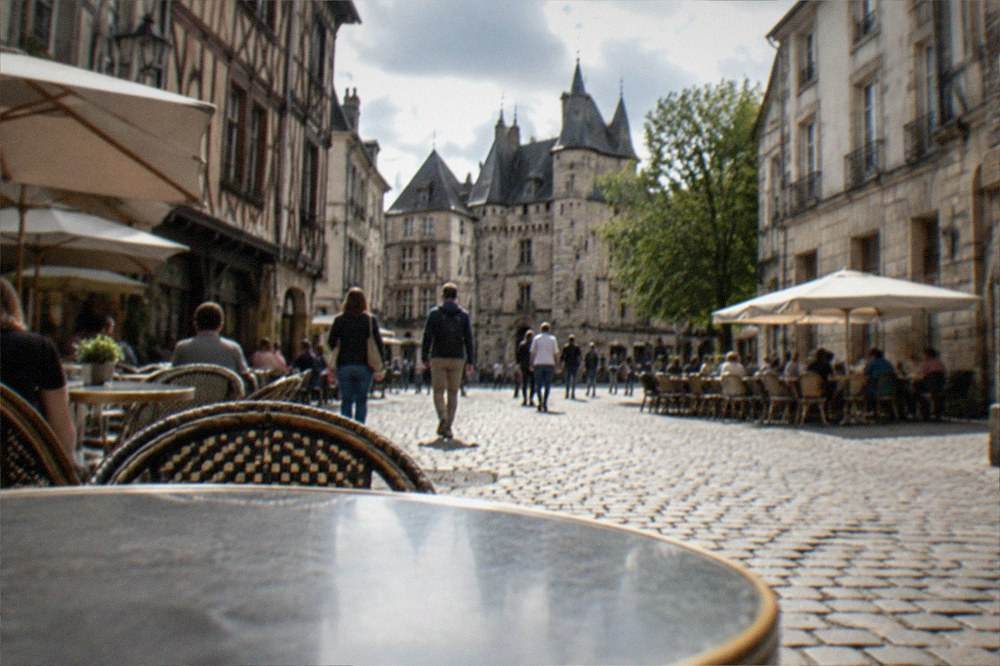
For travellers who prefer to build their own route, the château sits inside a compact historic centre where the Bouffay quarter, the cathedral and the riverside are all within an easy stroll, and a walking tour of any style will pass within sight of the ramparts. The picks below cover three ways to see the city that grew around the edict's signature site, from a photo-led walk to a longer private circuit.
What Can You See At The Château Des Ducs De Bretagne Today?
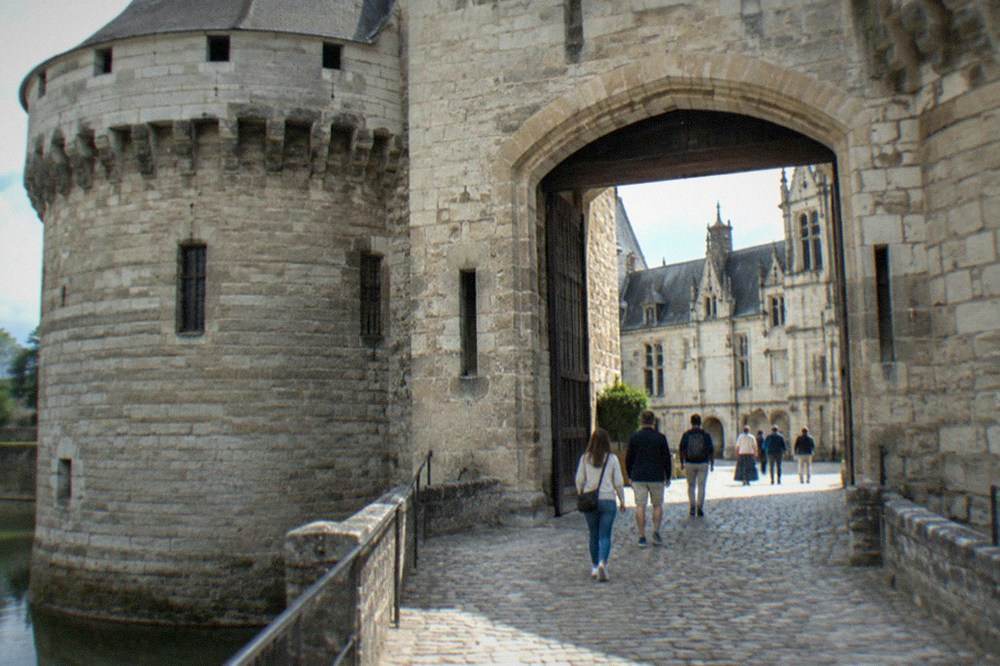
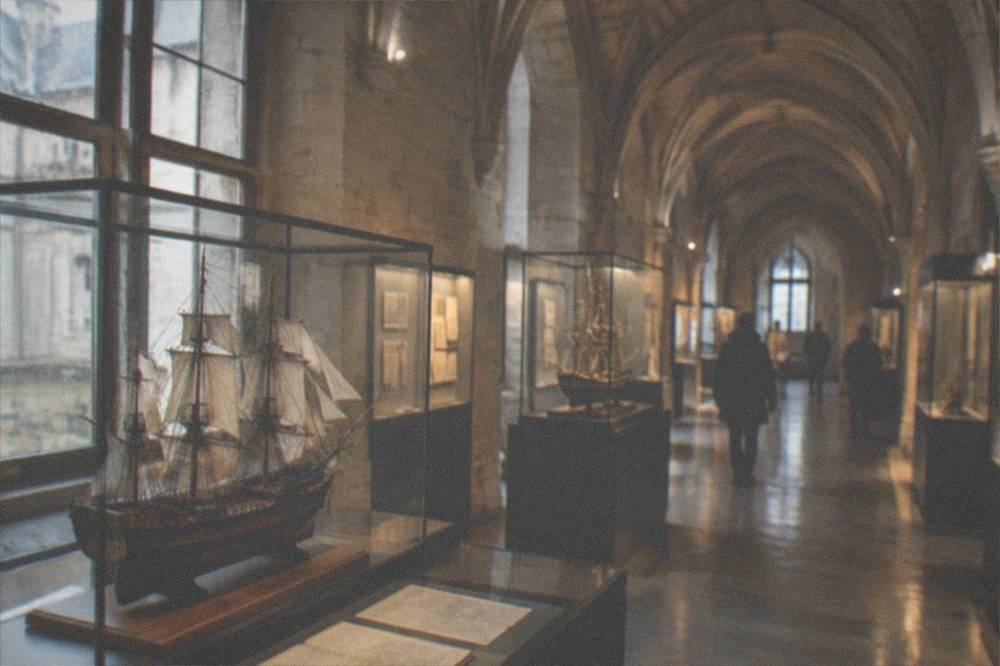
The château now houses the Musée d'histoire de Nantes: 32 rooms and more than 1,150 objects covering the city from the Middle Ages to the present. Admission is 9 EUR full tariff and 5 EUR reduced, free for everyone under 18, and the museum opens 10:00 to 18:00 but closes on Mondays. The courtyard and ramparts are free to walk, daily from 8:30 to 19:00, and a guided visit is priced at 12 EUR.
The museum's route runs from the building's own ducal past, through the edict's century, and on into the Atlantic trade that made Nantes France's greatest port. The permanent collection fills 32 rooms with more than 1,150 objects, and the narrative does not smooth the difficult chapters: the galleries on the slave trade, in which Nantes fitted out 1,714 of at least 4,220 French expeditions, 43 percent of the French total, before withdrawing in 1830, are given the weight the city's own memorial demands. The final rooms bring the story to the contemporary city.
The edict period itself sits inside the wider arc. Alongside the ducal and royal galleries, the museum traces the wars of religion, the king's entry into the last rebellious city, and the settlement signed under this roof in April 1598. For visitors arriving with only a general sense of the story, the sequence of rooms does the work a guide would: it shows who held power, who contested it, and what the settlement cost each side.
| What | Price | Hours and notes |
|---|---|---|
| Musée d'histoire de Nantes, full tariff | 9 EUR | 10:00 to 18:00, closed Mondays; 1 July to 31 August daily 10:00 to 19:00 |
| Reduced ticket | 5 EUR | Ages 18 to 25, teachers, large families, and the last hour before closing |
| Under 18s | Free | All opening days |
| Guided visit | 12 EUR | Booked through the château's own site |
| Courtyard and ramparts | Free | Daily 8:30 to 19:00, to 20:00 in July and August |
| Moat garden | Free | Daily 8:00 to 19:00, to 20:00 in July and August |
| Pass musées | 15 EUR | One year of unlimited entry to the Musée d'arts, Musée Jules Verne and Le Chronographe as well |
One planning note matters more than the rest: the museum closes on Mondays, and the annual closure dates are 1 January, 1 May, 1 November and 25 December. A traveller who arrives on a Monday still gets the courtyard, the ramparts and the moat garden free of charge, but the 32 rooms of the interior, and the galleries that explain the edict, wait for Tuesday.
For a first visit built around the château, a guided entry removes the one real friction of the site, which is the ticket queue on busy afternoons.
How Does The Edict Fit Nantes History More Widely?
The edict sits at the hinge of the city's history: the duchy of Brittany joined the kingdom of France in 1532, and the 1598 signature marked the final settlement with the city that had held out longest. The château became city property in 1915, opened as a museum in 1924, and after a ten-year restoration the Musée d'histoire de Nantes opened inside it in 2007. The museum's later galleries then carry the city's story on into the port era and the 20th century.
The century before the edict explains it. When Anne of Brittany's line ended and the duchy was joined to France in 1532, Nantes became a royal city with a proud regional identity, and that tension never fully disappeared. When the wars of religion reached the west of France, Nantes sided with the Catholic League and held out for years after most cities had made their peace with Henri IV. The Duke of Mercœur, governor of Brittany, kept the province in rebellion, and the château was the seat of that resistance. The edict's signature at Nantes was thus not an administrative convenience but a statement: the last stronghold had submitted, and the peace was being written where the war had finally ended. More of these guides are collected on Nantes Travel Guide.
The century after the edict belongs to the river and the ocean. Nantes grew into the greatest port of the French Atlantic coast, and the museum's own galleries, together with the city's Mémorial de l'abolition de l'esclavage, trace what that prosperity was built on. The trade that the memorial documents, with 1,714 expeditions fitted out here, 43 percent of the French total, and withdrawal in 1830, reshaped the city's streets and fortunes far more lastingly than any single decree.
The château's own afterlife is a quieter story but an unusual one. Many French fortresses of this scale were barracks, prisons or ruins by the twentieth century; this one passed to the city in 1915, opened as a museum in 1924, and was restored across the decade to 2007, so that the building a modern visitor walks is both the fortress of 1466 and a working museum. Readers who want the full arc, from the ducal century to the slave trade and the industrial city, will find the deeper context in the companion pages on Nantes history and the city's slave trade history.
Which Other Nantes Sights Tell The Story Around The Edict?
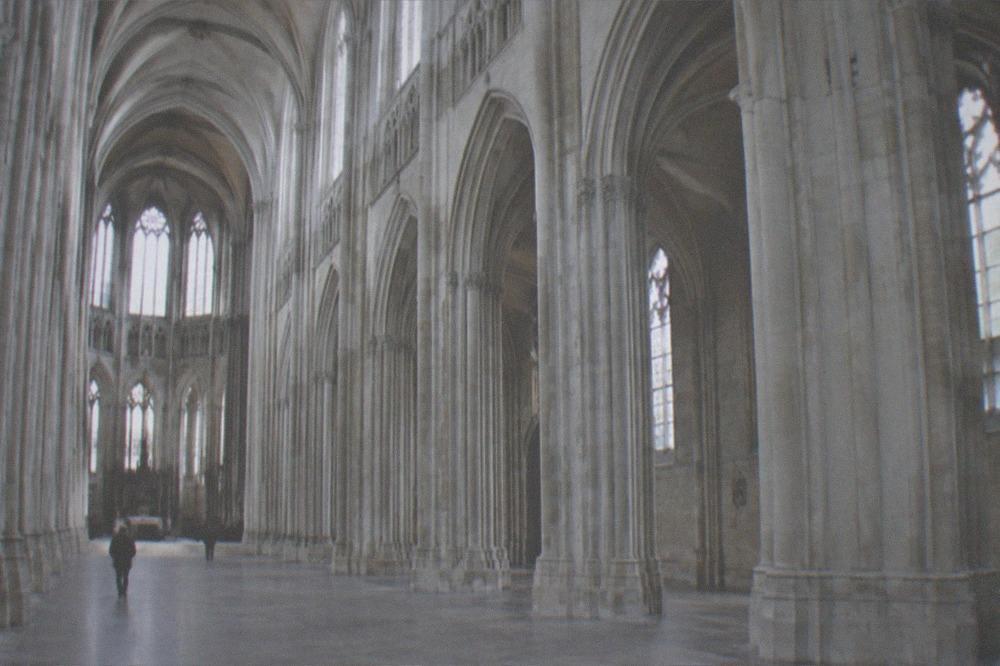
The cathedral of Saint-Pierre-et-Saint-Paul, free to enter, partially reopened on 27 September 2025 after the 2020 fire, with full reopening planned for 2028 and the west facade still under scaffolding. The Musée d'arts de Nantes charges 9 EUR full and 4 EUR reduced. The Musée Dobrée, reopened in May 2024 after long works, charges 9 EUR full and 6 EUR reduced. Between them they frame the world of art and faith that surrounded the 1598 settlement.
The cathedral is the first stop after the château, and its current state needs explaining to anyone planning around it. The fire of 18 July 2020 destroyed the grand organ, whose case dated from 1619, and the building was closed for five years. It partially reopened on 27 September 2025, and the full reopening is planned for 2028, with the west facade still under scaffolding up to roughly 41 metres. Entry is free, and the nave, choir and side chapels are accessible, so a visitor today walks a working restoration site as well as a cathedral. The building's own history mirrors the era of the edict: the gothic rebuild began in 1434 and the works took 457 years, completing in 1891.
The Musée d'arts de Nantes, a short walk south, holds the fine-art side of the same centuries. Full admission is 9 EUR, reduced 4 EUR, free for under 18s, with late opening on Thursdays and free entry in the evening nocturne. The Musée Dobrée, in the Graslin quarter, reopened in May 2024 after around thirteen years of closure and holds the region's older collections, from medieval art to archaeology, at 9 EUR full and 6 EUR reduced, with free first Sundays in selected months.
| Sight | Price | Status in 2026 |
|---|---|---|
| Cathédrale Saint-Pierre-et-Saint-Paul | Free | Partially reopened 27 September 2025; full reopening planned 2028; west facade under scaffolding |
| Musée d'histoire de Nantes, château | 9 EUR full, 5 EUR reduced | Open; closed Mondays |
| Musée d'arts de Nantes | 9 EUR full, 4 EUR reduced | Open; closed Tuesdays; Thursday nocturne with free evening entry |
| Musée Dobrée | 9 EUR full, 6 EUR reduced | Open; closed Mondays and Tuesdays; reopened May 2024 |
| Mémorial de l'abolition de l'esclavage | Free | Open daily, seasonal hours; the paired Expression(s) décoloniale(s) #4 runs to 8 November 2026 |
| Passage Pommeraye | Free | Open daily, a shopping gallery built in 1843 |
The full museum picture, including opening days for every collection in the city, is gathered in the museums in Nantes guide. For families walking this route with children, or for anyone who finds a château and two museums a heavy day, the city game below turns the same historic streets into a puzzle, and it is the one product on this roster built around a story with a Nantes author at its centre, Jules Verne.
When Is The Best Time To Visit The Château And Nantes?
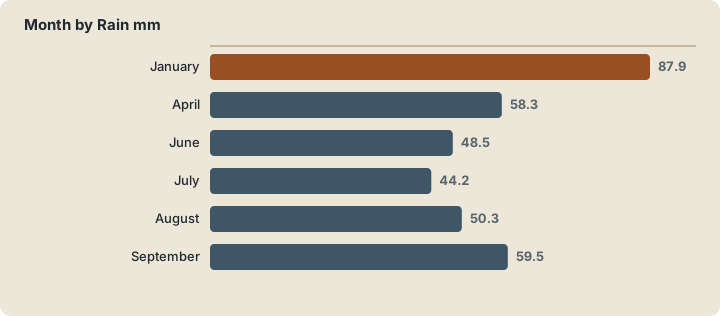
Nantes has a temperate oceanic climate, not a Mediterranean one. Météo-France's 1991-2020 normals for the Nantes-Bouguenais station give mean maximum temperatures from 9.3°C in January to 25.4°C in August, with 819.5 mm of rain a year. Late spring and early autumn suit a museum-heavy visit best, and summer 2026 set a station record of 42.2°C on 24 June, a reminder that hot days call for indoor plans.
The monthly rhythm matters less for the château, which is largely indoors, and more for the walking between sights. July and August bring the longest days and the warmest weather, with mean maxima of 25.1°C and 25.4°C, but also the busiest queues and the summer schedule change, when the museum opens daily until 19:00 instead of closing on Mondays. April, May, June and September offer mean maxima between 16°C and 23°C with fewer visitors on the ramparts.
| Month | Mean max °C | Rain mm | Notes for visitors |
|---|---|---|---|
| January | 9.3 | 87.9 | Quietest; museum closed Mondays as usual |
| April | 16.2 | 58.3 | Spring light in the courtyard; shoulder crowds |
| June | 23.0 | 48.5 | Long days; note June 2026 hit a record 42.2°C on 24 June |
| July | 25.1 | 44.2 | Museum open daily to 19:00; peak season |
| August | 25.4 | 50.3 | Warmest month; sunniest along with July |
| September | 22.4 | 59.5 | Mild and emptier; a strong choice for the full route |
The deeper seasonal picture, including the city's events calendar and the trade-offs between summer crowds and winter quiet, is laid out in the best time to visit Nantes and Nantes weather guides. Photographers planning to capture the château's facade across the moat, or the alleys of Bouffay in morning light, may prefer to go with someone who knows which corners face the sun at which hour, and the walk below is built around exactly that.
How Much Should You Budget For An Edict-Focused Trip To Nantes?
A day built around the château costs 9 EUR at full tariff for the museum, or 5 EUR reduced, and under 18s enter free. The Pass Nantes bundles the château museum with transport and partner sites: 30 EUR full fare for 24 hours, 40 EUR for 48 hours, 49 EUR for 72 hours and 75 EUR for 7 days, with reduced rates of 20, 26, 31 and 45 EUR. A single Naolib ticket is 1.80 EUR, and the whole network is free at weekends.
The pass deserves a closer look than many guides give it, because its inclusions line up neatly with this route. One Pass Nantes entry covers the château museum, the Galerie des Machines and the Carrousel des Mondes Marins, plus unlimited travel on the Naolib network of trams, buses and Navibus river shuttles, one return trip on the airport shuttle, and even one TER return journey between Nantes and Clisson. The Grand Éléphant ride is not included, which matters to anyone heading to the Île de Nantes afterwards. Prices are valid from 1 April 2026.
| Pass Nantes duration | Full | Reduced (4-17, students under 26, disability card) | Family (2 adults, 2 children) |
|---|---|---|---|
| 24 hours | 30 EUR | 20 EUR | 80 EUR |
| 48 hours | 40 EUR | 26 EUR | 106 EUR |
| 72 hours | 49 EUR | 31 EUR | 129 EUR |
| 7 days | 75 EUR | 45 EUR | 195 EUR |
For transport alone, the single 1-hour ticket is 1.80 EUR, a 24-hour ticket is 6.80 EUR, and a 24-hour ticket for four people travelling together is 15 EUR. The weekend rule is the one that saves real money: the network, including trams, buses, the Navibus and even TER trains within the agglomeration, is free for everyone from Saturday at midnight to Sunday at 23:59, and this has applied since 2021. The airport shuttle is the exception and always costs 10 EUR, bought on board by bank card. The stop moved on 30 March 2026 to the Gare routière at Gare Sud, quai A, and the shuttle runs about every 20 minutes from April to October and every 30 minutes from November to March, taking roughly 20 minutes between the station and the airport.
| Transport | Price | Notes |
|---|---|---|
| Naolib 1-hour ticket | 1.80 EUR | Tram, bus, Navibus and TER inside the métropole |
| Naolib 24-hour ticket | 6.80 EUR | One traveller, unlimited rides for 24 hours |
| 24-hour ticket, 4 people | 15 EUR | Group ticket for families or friends |
| Weekend travel | Free | Saturday 00:00 to Sunday 23:59 for everyone; airport shuttle excluded |
| Airport shuttle | 10 EUR | Every 20 minutes Apr-Oct, every 30 minutes Nov-Mar; card payment on board |
Accommodation budgets are tiered by the city's tourist tax, which is reported as 2.86 EUR per person per night at 4-star hotels, 1.87 EUR at 3-star and 1.10 EUR at 2-star, and the full neighbourhood picture is in the where to stay in Nantes guide. Getting around the compact centre on foot or by tram is covered in getting around Nantes, and the pass in detail in the Pass Nantes guide. For visitors who want the edict's city explained rather than simply walked, the private option below matches a guide to your own pace and interests.
Whichever way the budget is shaped, the three products below cover the full spread of ways to experience the edict's city, from a quick photo circuit to a full private day. Each carries its own price and availability on the operator's live listing.
Common Questions About The Edict Of Nantes
When was the Edict of Nantes signed?
Henri IV signed the Edict of Nantes in April 1598. The château des ducs de Bretagne's own history page dates the signature to 30 April 1598, while the textbook date in circulation is 13 April. Because the sources differ, the safest wording is April 1598, and the château's date is the one tied to the building where the signing happened.
Where was the Edict of Nantes signed?
It was signed at the Château des ducs de Bretagne in Nantes, in the Loire-Atlantique department of the Pays de la Loire region of France. The fortress was begun by Duke Francis II in 1466, and by 1598 it was a royal stronghold in the last city that had held out against Henri IV, defended by the Duke of Mercœur until the settlement.
Why is it called the Edict of Nantes?
Because the final signature took place at Nantes, the city that had resisted the king longest. Nantes was the last stronghold of the Catholic League's rebellion in Brittany, and sealing the peace there, in the fortress at its centre, was a deliberate statement that the war was over. The name records where the decree was completed, not where every clause was drafted.
Is the Château des ducs de Bretagne open on Mondays?
The museum inside is closed on Mondays. The free parts, the courtyard, the ramparts and the moat garden, remain open daily, with the courtyard running 8:30 to 19:00 and the garden from 8:00. From 1 July to 31 August the museum switches to daily opening until 19:00. Annual closures are 1 January, 1 May, 1 November and 25 December.
How much does the Château des ducs de Bretagne museum cost?
The Musée d'histoire de Nantes charges 9 EUR at full tariff and 5 EUR reduced, with free entry for everyone under 18. A guided visit is 12 EUR, and the 15 EUR Pass musées gives a year of unlimited entry to this museum plus the Musée d'arts, the Musée Jules Verne and Le Chronographe in Rezé. The courtyard and ramparts cost nothing at any time.
What happened to the Edict of Nantes afterwards?
It was later revoked by Louis XIV, and its protections for Protestants in France ended with that revocation. The story of the century between the signature and its reversal is told inside the château's museum, alongside the longer arc of the city's history, from Anne of Brittany, born at the château in 1477, to the port era that followed.
The edict gave this city its place in European history, and the château where it was signed gives the modern visitor the fullest single view of how Nantes became what it is. Arrive on any day except Monday, walk the free ramparts first, then give the 32 rooms of the museum the afternoon they need.