Planete Sauvage
Planete Sauvage is the safari park day trip most Nantes visitors never hear about before they arrive, sitting in the marshy countryside of southern Loire-Atlantique, and this guide covers how to plan it, when to go and what to pair it with.
Short answer
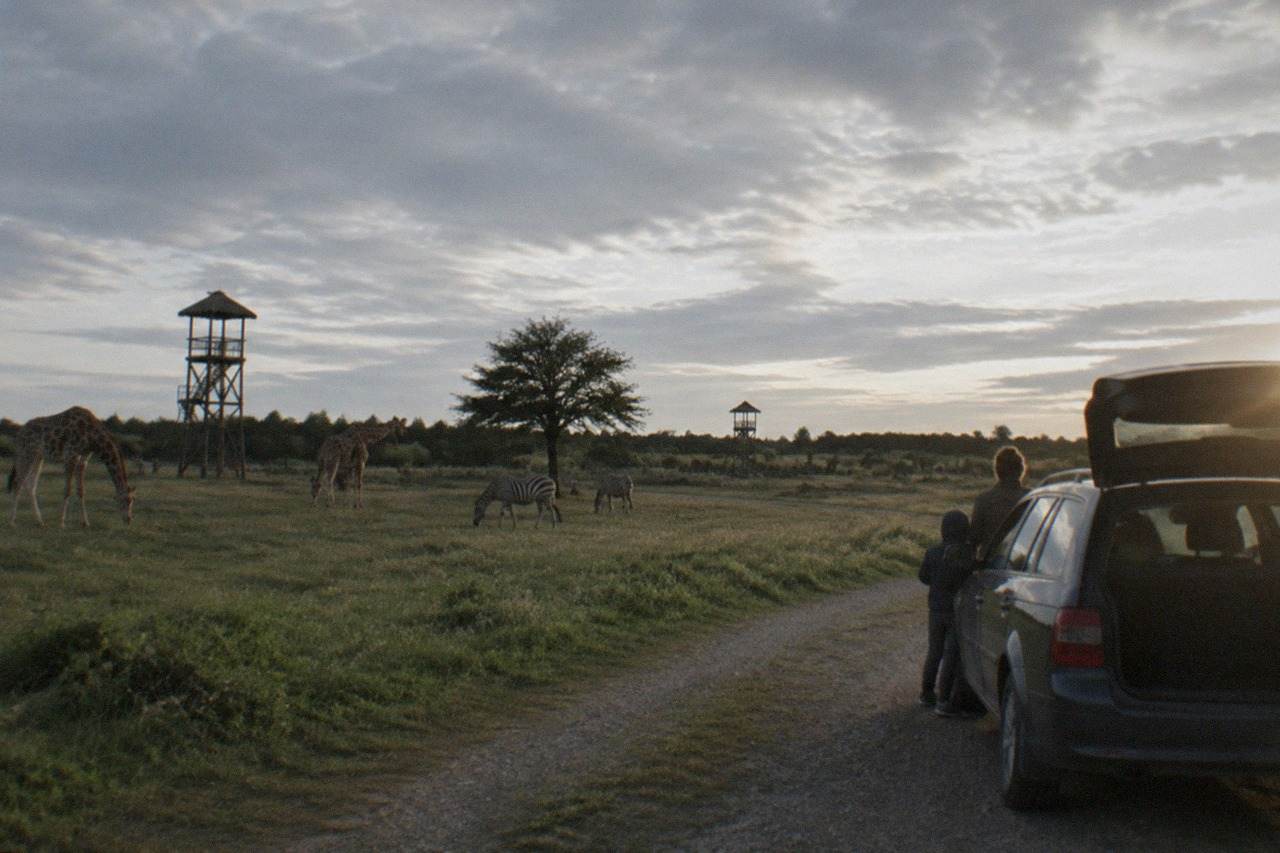
Planete Sauvage is a drive-through safari park in the Loire-Atlantique countryside south-west of Nantes, in the Pays de la Loire region of western France. You reach it by car rather than by rail, it works best as a full-day trip combined with the Guérande salt marshes or the coast, and the current animal line-up, prices and opening hours come from the park's own site and live listings rather than from third-party guesses.
Planete Sauvage sits in the low, watery countryside of southern Loire-Atlantique, roughly on the line you would drive from Nantes towards the Guérande salt marshes and the Atlantic coast. Nantes itself, in the Pays de la Loire region of western France, is the natural base: a city of 327,734 residents at the 2023 INSEE count, on the Loire and the Erdre, with a temperate oceanic climate that shapes every outdoor day trip in the department. A safari park visit is a car day rather than a tram day, which makes it a different kind of Nantes excursion from the walkable Bouffay old town or the Machines de l'île on Île de Nantes. This guide, from the editorial desk behind Nantes Travel Guide as with every page on this site, is written from verified destination data rather than personal visits, and it points you to the park's own listing for every live operational figure.
What Is Planete Sauvage And Where Does It Sit?
Planete Sauvage is a drive-through safari park in the marsh country of southern Loire-Atlantique, the department that surrounds Nantes in the Pays de la Loire region of western France. It sits inland of the coastal strip running from Saint-Nazaire through La Baule to the Guérande salt marshes, in landscapes of wetland pasture and pine that the Brière regional park protects a short way south. The park's animal collection, ticket prices and daily hours are published only by the park itself and change with the season.
The geography matters more than most first-time visitors expect. Nantes sits at the meeting point of the Loire, the Erdre and the Sèvre Nantaise, and once you drive south of the city the land flattens into the great Atlantic wetland belt: the Muscadet vineyards of the Sèvre valley first, then the marshes around Guérande and the Brière regional park, which is one of the largest marsh areas on the French Atlantic coast. A safari park in this setting is an odd fit on paper, a chunk of African-style savannah scenery dropped into a landscape of reeds, salt pans and oak.
That contrast is exactly why the trip works. The park is a family day out with a different rhythm from the city's museums, and the roads you use to reach it pass through the two things the region does better than almost anywhere in France: wine country and salt country. The Muscadet appellation starts virtually at the southern edge of the metropole, with the Maison des vins de Muscadet at Vallet acting as the official gateway for the vineyards, and the walled town of Guérande sits roughly 80 km by road from Nantes, according to the site's verified facts file, with its 2026 salt harvest reported as exceptional.
If your Nantes itinerary is still taking shape, the safari day competes with, and complements, the train day trips: Clisson with its Italianate château 27 km away by rail, Saint-Nazaire with the Escal'Atlantic liner experience, or the beaches of La Baule and Pornic. The full day-trips overview for Nantes breaks all of them down, and the comparison table further down this page puts the verified rail times side by side.
How Do You Get From Nantes To Planete Sauvage?
Planete Sauvage is a car day trip: the park sits on country roads in southern Loire-Atlantique with no rail station of its own, so visitors drive from Nantes or book a tour vehicle. The verified rail day trips from Nantes Gare run to Clisson from about 15 minutes and Saint-Nazaire from about 33 minutes, but none of these trains serves the park. Hiring a car from Nantes, or pairing the drive with a wine tour van, is the practical answer.
The car-free constraint is worth stating plainly, because Nantes is otherwise one of the easiest car-free short-break cities in France. The Naolib network runs three tram lines over 45.6 km with 84 stations, plus a busway line, and it is free for everyone from Saturday 00:00 to Sunday 23:59, with the airport shuttle the one paid exception at 10 EUR. All of that excellence stops at the edge of the metropole. The safari park, like the Guérande marshes and most of the Atlantic coast beyond Pornic, belongs to the territory where a vehicle earns its keep.
That is also why the drive down through the Sèvre valley is the pairing most worth planning. The vineyard tours that leave from Nantes are the natural companions to a safari day: Check availability on the vineyard van tour's live listing, or read the Muscadet vineyards guide for the full picture of the appellation and its Melon de Bourgogne grape. If you would rather keep the driving to a professional and spend the safari day itself with a group, the same operators who run the city walks also run the private custom tours that can be built around a Loire-Atlantique circuit, and the trio below shows the three options that pair best with this route.
One practical note on timing the drive: the site's verified facts give the Nantes-Guérande road distance at about 80 km, and the park sits on that southern axis, but the facts file publishes no door-to-door journey time to the park itself, so treat any specific minutes-and-figures claim you read elsewhere with suspicion. Plan the day around the coast instead: the drive down passes the Muscadet cellar doors, and the drive back can finish on the La Baule seafront, which is reachable from Nantes by TER once you have returned to the rail line.
What Can You See And Do Inside Planete Sauvage?
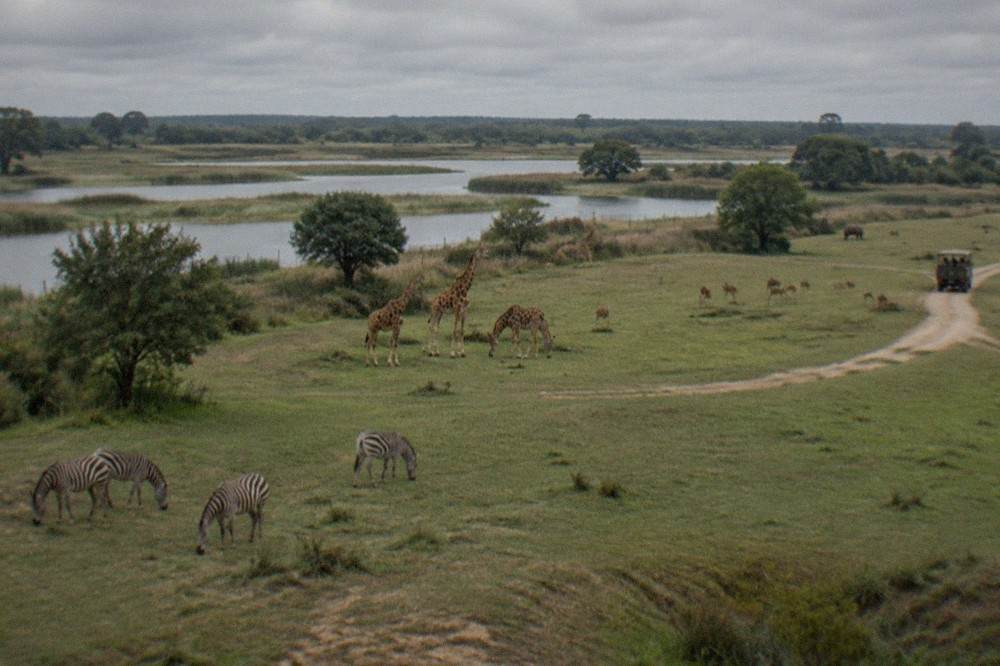
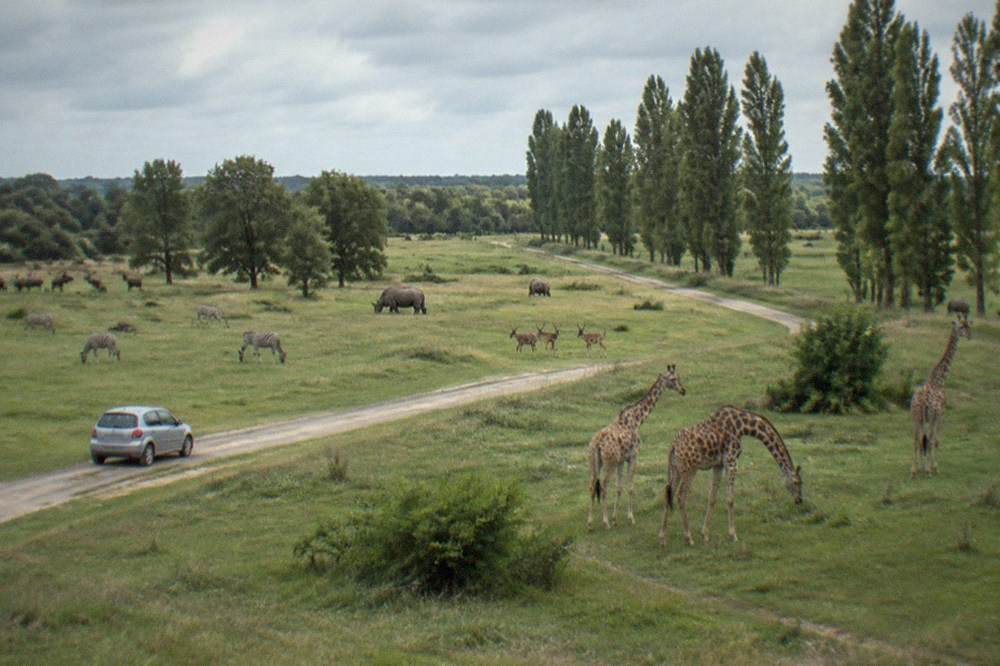
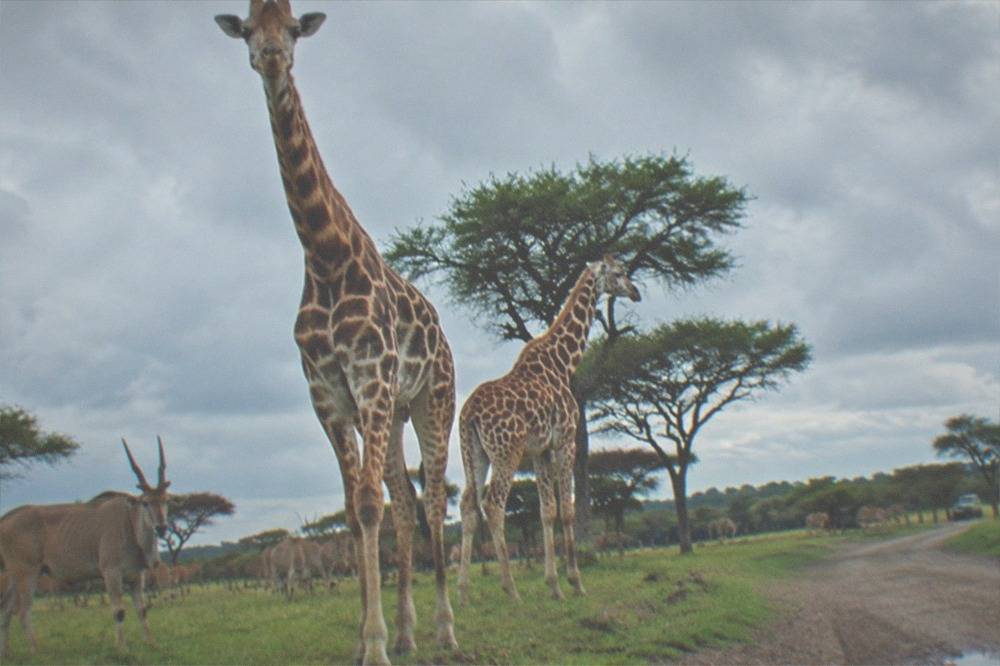
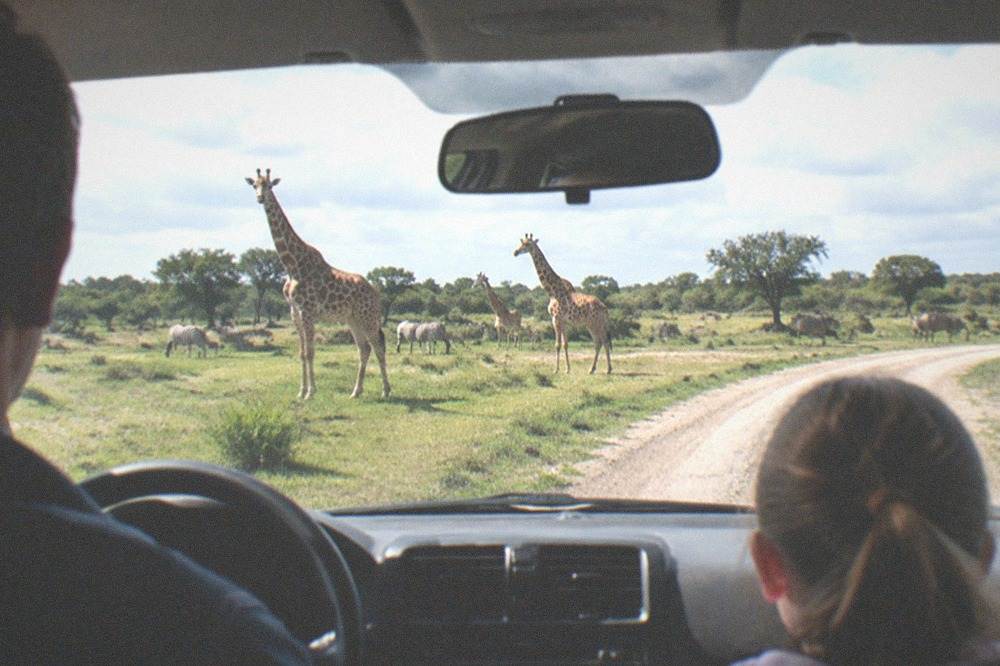
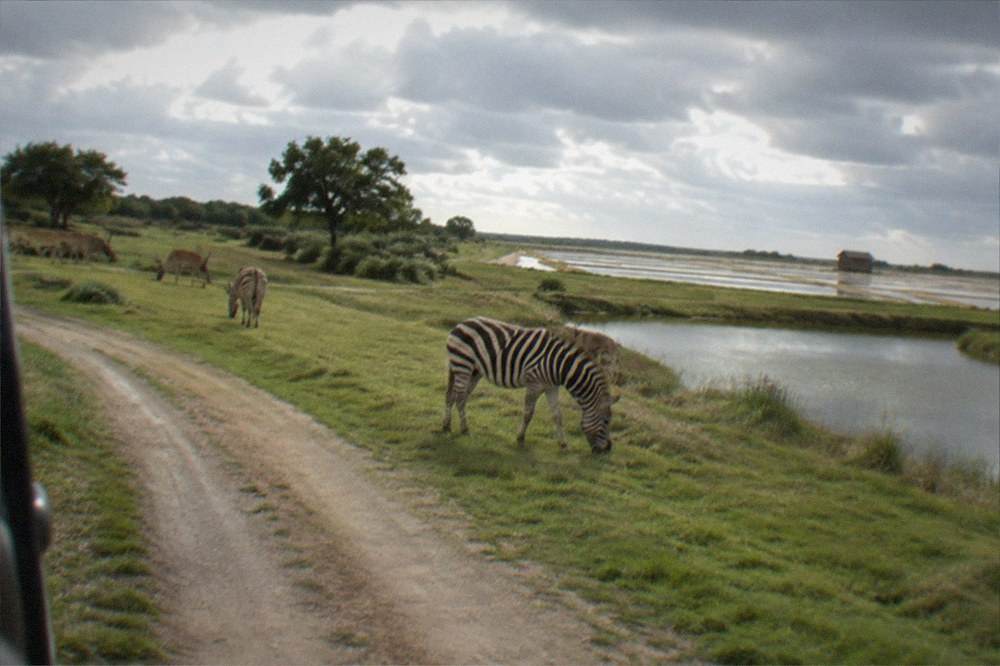
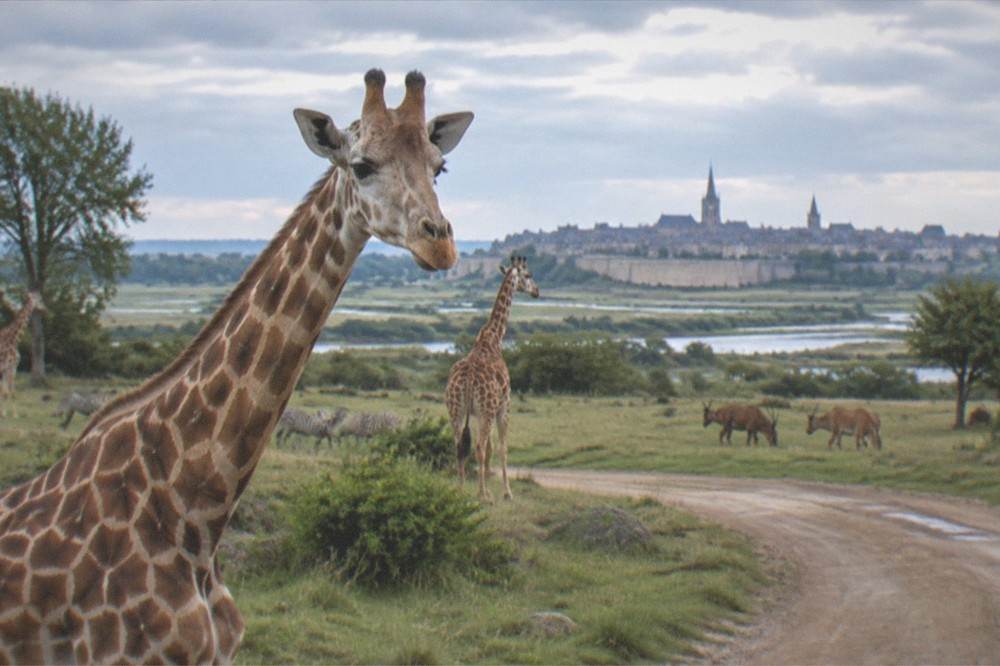
Planete Sauvage is a drive-through safari park: visitors tour animal enclosures from their own car or a park vehicle, watching free-roaming herds from behind barriers rather than cage-by-cage zoo viewing. The park's current species list, show schedule, walk-through sections and extra activities are published only on its own site and live listing, and this guide deliberately does not repeat them, because animal collections change and a third-hand list is how guide errors are born.
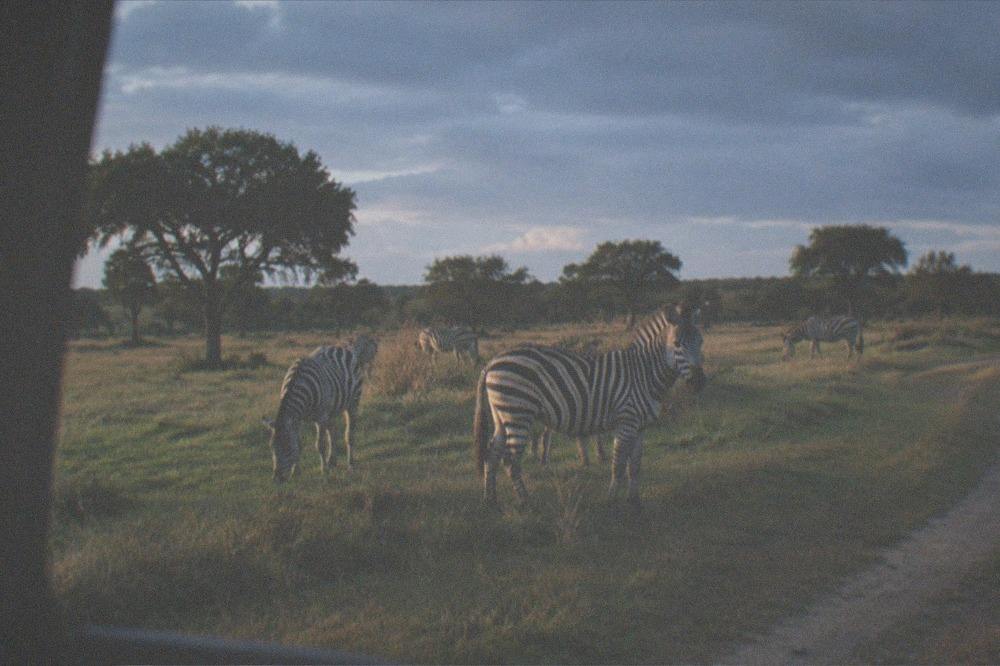
What can be said with confidence is the shape of the experience, because the safari-park format is consistent everywhere it is used. You drive slowly along a circuit, windows up in the mixed-herd sections, and the animals come to the vehicle rather than being watched across a moat. The format makes the park a strong option for families: children stay contained, the day has a natural narrative arc from the first enclosure to the exit gate, and the pace is set by the driver rather than by a queue.
Two caveats from the destination data matter before you build expectations. First, Nantes is not a hot city: Météo-France's 1991-2020 normals for the Nantes-Bouguenais station give a mean maximum of only 25.4 °C in August, the warmest month, and 819.5 mm of rain a year, so a safari day here is an Atlantic day, not a Mediterranean one, and the animals are adapted to that. Second, the 2026 weather has been exceptional even by those standards, with a new all-time station record of 42.2 °C set on 24 June 2026, and the park's own heat and storm arrangements are its to announce, so check the listing close to your travel date.
If the safari day itself is the anchor, the taste of the region can be the bookend. The Muscadet tasting experience in the city is the most reliable introduction to the wine that grows along the route south, and it is the pairing this site rates highest for a pre-trip evening:
The tasting is a sensory session rather than a formal lecture, which suits the same families and casual groups that the safari day suits, and the operator's live listing carries the current price and dates, neither of which this page will type. After the safari, the natural follow-on is food: the coastal towns around the marshes are the home of beurre blanc, the emulsified butter sauce made with Muscadet and shallots that Nantes restaurateurs have been pursuing protected traditional status for, and the Nantes food guide covers where the dish is done properly.
How Long Should A Planete Sauvage Day Trip Take?
A Planete Sauvage day trip from Nantes is best planned as a full day: the park sits far enough south that the drive out and back eats a serious chunk of the morning and late afternoon, the safari circuit itself is a half-day experience for most families, and the strongest version of the day adds a stop in the vineyards or at Guérande on one leg.
The facts file publishes no official time allowance for the park, so any specific "allow X hours" figure you read elsewhere is a guess.
What the verified data does give is the rhythm of the region's other day trips, which is the honest way to size the safari day. The table below sets out the rail-accessible alternatives from Nantes with their verified journey times and headline facts, so you can see what a "day trip budget of hours" buys across Loire-Atlantique and beyond. The rest of the planning pages sit on Nantes Travel Guide.
| Day trip from Nantes | Journey fact (verified) | Headline draw |
|---|---|---|
| Clisson | TER from about 15 min, 27 km by rail | Italianate château town, one TER return included in Pass Nantes |
| Saint-Nazaire | TER from about 33 min, 64 km | Escal'Atlantic liner visit, adult 15 EUR, child 4-17 7.50 EUR (2026) |
| La Baule | TER from about 51 min | Resort beach, about 9 km of sand per the disputed 2026 length debate |
| Pornic | TER about 59-65 min | Seaside port and coastal path |
| Le Croisic | TER from about 1 h 03 | Oyster port, the southern gate of the Guérande marshes |
| Guérande | about 80 km by road | Walled town and salt marshes, 2026 harvest reported exceptional |
| Puy du Fou | about 70-80 km, about 1 h drive | Historical theme park, 2026 season 4 Apr to 1 Nov |
The safari park belongs in the last group, the road trips. Its advantage over Puy du Fou is the flexibility: a park visit has no show timetable to hit, so the day can start after the Nantes traffic clears and can absorb a vineyard stop or a salt-marsh detour without collapsing. The Muscadet route is the obvious filler, and a half-day vineyard tour by van is the product built for exactly that shape of day:
For the return leg, the green line of Le Voyage à Nantes runs about 20 km through the city if you want a decompression walk before dinner, and the things to do in Nantes overview page is the place to rebuild the evening from scratch.
When Is The Best Time Of Year To Visit Planete Sauvage From Nantes?
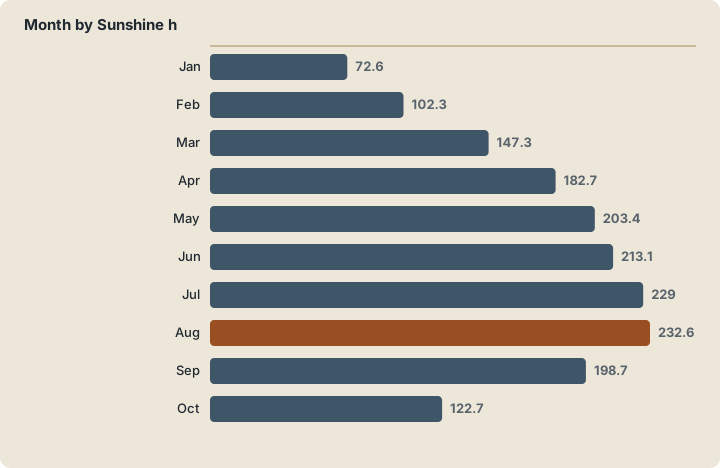
The best months for a Planete Sauvage day trip from Nantes are April to September, when the Météo-France 1991-2020 normals show mean maximum temperatures rising from 16.2 °C in April to 25.4 °C in August, rain days falling to their annual minimum of about 7 per month in July and August, and 213.1 to 232.6 sunshine hours a month from June to August.
October still works at a 17.6 °C mean maximum, but November to February are colder, greyer and wetter by comparison.
Those figures come from the verified Météo-France normals for the Nantes-Bouguenais station, and they matter for a safari day more than for a museum day because almost everything at the park happens outdoors. The climate table below gives the monthly spine of the year, with December the wettest month at 101.0 mm and July the driest at 44.2 mm.
| Month | Mean max °C | Mean min °C | Rain mm | Sunshine h | Days ≥1 mm |
|---|---|---|---|---|---|
| Jan | 9.3 | 3.4 | 87.9 | 72.6 | 12.5 |
| Feb | 10.5 | 3.0 | 67.5 | 102.3 | 10.6 |
| Mar | 13.5 | 4.9 | 58.4 | 147.3 | 9.4 |
| Apr | 16.2 | 6.6 | 58.3 | 182.7 | 9.7 |
| May | 19.6 | 9.8 | 61.0 | 203.4 | 9.6 |
| Jun | 23.0 | 12.7 | 48.5 | 213.1 | 7.6 |
| Jul | 25.1 | 14.3 | 44.2 | 229.0 | 7.1 |
| Aug | 25.4 | 14.2 | 50.3 | 232.6 | 7.2 |
| Sep | 22.4 | 11.8 | 59.5 | 198.7 | 7.8 |
| Oct | 17.6 | 9.5 | 88.8 | 122.7 | 11.8 |
| Nov | 12.9 | 5.9 | 94.1 | 91.3 | 13.0 |
| Dec | 9.8 | 3.7 | 101.0 | 77.6 | 13.5 |
Two recent years have bent this baseline hard. Summer 2025 ran 0.8 °C above the 1991-2020 seasonal average with 12 days above 30 °C, and 2026 has been far more extreme: a record 40 days at or above 30 °C by late July, and the new all-time station record of 42.2 °C on 24 June 2026, a national-canicule red-alert period for Loire-Atlantique. A summer safari day now carries a heat risk the old guidebooks never priced in, and the shoulder months of May, June and September are the smarter climate bets, with high temperatures in the low 20s and the lowest rain-day counts outside high summer.
How Much Does A Day Around Nantes Cost?
A day trip built around Planete Sauvage costs two things you control, the car or tour and the food, and one thing you cannot, the park's own ticket, which this guide will not price because the figure belongs to the park's live listing.
The verified local prices around the trip include a Naolib 1-hour ticket at 1.80 EUR, a 24-hour ticket at 6.80 EUR, the airport shuttle at 10 EUR, and the Pass Nantes from 30 EUR for 24 hours, all from the site's verified facts and price files.
The budget that surrounds a safari day is mostly a Nantes budget, because the day starts and ends in the city. The three tables below give the verified transport and pass figures, plus the city food benchmarks from the mid-2026 price aggregates, so you can see exactly what the non-safari parts of the day cost before you add the park ticket on top.
| Naolib ticket (verified) | Price |
|---|---|
| 1-hour ticket, tram, bus, Navibus and TER inside the metropole | 1.80 EUR |
| Book of 10 x 1-hour tickets | 17.80 EUR |
| 24-hour ticket | 6.80 EUR |
| 24-hour ticket for up to 4 people | 15 EUR |
| Weekend travel, Saturday 00:00 to Sunday 23:59 | Free for everyone |
| Airport shuttle (always paid, even weekends) | 10 EUR |
| Pass Nantes (valid from 1 April 2026) | Full | Reduced | Family, 2 adults + 2 children |
|---|---|---|---|
| 24 hours | 30 EUR | 20 EUR | 80 EUR |
| 48 hours | 40 EUR | 26 EUR | 106 EUR |
| 72 hours | 49 EUR | 31 EUR | 129 EUR |
| 7 days | 75 EUR | 45 EUR | 195 EUR |
A note on what the Pass Nantes does and does not buy: it covers unlimited Naolib travel, one airport-shuttle return, one TER return to Clisson, and single entries to partner sites including the château museum and the Galerie des Machines, but the Grand Éléphant ride at Les Machines de l'île is not included, and the natural history museum is excluded because it has been closed for works since November 2025 and will not reopen before 2029. The pass is a city instrument: it does not cover the safari park, so buy it for the Nantes half of your stay, not the safari day.
| Food benchmark in Nantes (mid-2026 aggregates) | Typical figure |
|---|---|
| Inexpensive restaurant meal | varies by venue, range 12-varies by venue |
| Mid-range meal for two, three courses, no drinks | varies by venue, range 35-varies by venue |
| Average three-course dinner, good restaurant | varies by venue, range 17.50-varies by venue |
| Domestic draft beer, a pint | varies by venue |
| Cappuccino | varies by venue |
The food numbers matter on a safari day for one specific reason: park catering anywhere in France is priced for a captive audience, and the region's own eating, from the Talensac market, open Tuesday to Friday 08:00-13:00 and Saturday to Sunday 08:00-13:30, to the seafood towns on the coast, is better and cheaper. A picnic plan built from a Nantes market stop before you drive south is the standard local move.
Which Other Nantes Day Trips Pair Well With A Safari Day?
The strongest pairings with a Planete Sauvage day are the Muscadet vineyards on the drive south, the Guérande salt marshes and the Brière regional park on the same wetland axis, and the Atlantic coast at La Baule, Pornic or Noirmoutier for the return leg. For a second family day, Puy du Fou, with its 2026 season running 4 April to 1 November, is the pricier direct competitor for the same audience, while the coast is the free-and-simple option.
The logic is geographic. Everything on the list sits on or near the southern and western approaches from Nantes, so the safari park becomes the middle third of a loop rather than an out-and-back. Drive out through the Sèvre valley wine country, do the safari circuit in the middle of the day when the animals are active, then finish either in the marshes at Guérande, whose Terre de Sel guided visits run year-round and whose 2026 salt harvest was a double one, or on the coast at La Baule, which is close enough that the TER home takes about 51 minutes once you reach the rail line at La Baule-escoublac. For the coastal alternatives in depth, the Noirmoutier island guide covers the island reachable at low tide and by bridge, and the Saint-Nazaire liner guide covers the Escal'Atlantic experience.
For families weighing the safari park against the alternatives, the honest framing is this: the park is the animal option, Puy du Fou is the spectacle option, and the coast is the free-and-simple option. The 2026 Puy du Fou dates, with the Christmas extension from 19 December 2026 to 3 January 2027, are in the verified events data, and advance booking up to 72 hours ahead is the cheaper route, with on-site tickets running a step up in price. If your group would rather stay in Nantes entirely, a city walk with a local is the low-effort alternative, and the surprise walk is the one that works for groups who do not want a checklist:
The pairing that this site keeps returning to, though, is the wine one, because it is the pairing the geography itself makes: the safari route runs through the Muscadet appellation, the 2026 vintage is a record-early harvest that every cellar along the way will be talking about, and a tasting before or after the drive turns a long car day into a proper Loire-Atlantique circuit. Read the Guérande day trip guide for the salt half of the loop, and the Puy du Fou guide if the spectacle option wins the family vote.
Common Questions About Planete Sauvage
Planete Sauvage is a drive-through safari park in the marsh and wine country of southern Loire-Atlantique, best reached by car from Nantes and best combined with the Muscadet vineyards, the Guérande salt marshes or the Atlantic coast. Every live operational figure, from ticket prices to animal line-ups to daily hours, belongs to the park's own listing, and the climate and cost tables on this page are the verified parts of the plan. The questions below are the ones visitors actually ask before booking the drive.
Is Planete Sauvage near Nantes?
The park sits in the southern Loire-Atlantique countryside, on the axis between Nantes and the Guérande marshes, which are about 80 km by road from the city. It is a car day trip rather than a tram or train one, and no rail line serves it directly.
Can you get to Planete Sauvage without a car?
Not practically. The verified rail day trips from Nantes run to Clisson, Saint-Nazaire, La Baule, Pornic and Le Croisic, and none serves the park. Options are a hire car from Nantes, a private custom tour built around a Loire-Atlantique loop, or pairing the safari day with a vineyard van tour that runs from the city.
How much do tickets to Planete Sauvage cost?
The park publishes its own prices, and they change with the season, so the live listing is the only reliable source. This guide does not repeat third-hand figures for the park. For orientation, the region's other paid days out range from inexpensive options such as Escal'Atlantic to considerably pricier ones such as Puy du Fou booked in advance.
What is the best time of year for a Planete Sauvage visit?
April to September, per the Météo-France 1991-2020 normals for Nantes-Bouguenais: mean maxima of 16.2 °C in April rising to 25.4 °C in August, the lowest rain-day counts of the year in July and August, and 213.1 to 232.6 sunshine hours a month from June to August. Note the recent heat extremes, including the record 42.2 °C on 24 June 2026, before choosing high summer.
Can you combine Planete Sauvage with the Muscadet vineyards?
Yes, and it is the strongest pairing, because the park sits on the same southern axis as the Sèvre valley vineyards. The Maison des vins de Muscadet at Vallet is the official starting point for the appellation, and the vineyard van tours from Nantes are built for exactly this kind of loop. The 2026 harvest was record early, declared on 11 August 2026.
Is Planete Sauvage a good day trip with children?
The drive-through safari format suits families well: children stay in the car through the animal sections, the day moves at your own pace, and there is no queue-driven timetable. Pair it with the free weekend Naolib travel in Nantes itself on either side, and a coastal stop such as La Baule for the return leg.