Briere Regional Park Day Trip From Nantes, France
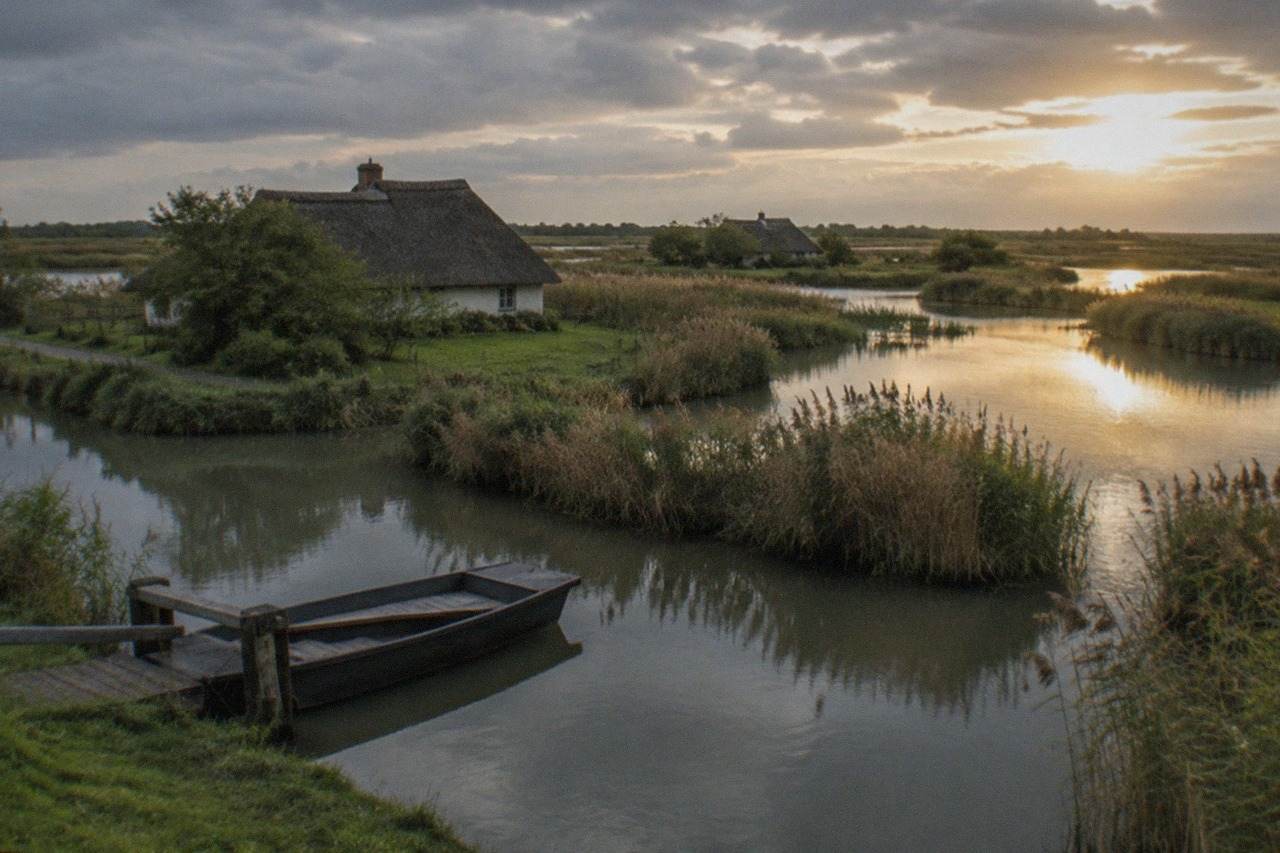
The Briere regional park is the great wetland on Nantes's north-eastern doorstep, a vast marsh of reed beds, thatched cottages and boat trails that many visitors to the city never reach.
Short answer
Briere is a protected regional nature park of marshes, reed beds and thatched hamlets north-east of Nantes in Loire-Atlantique, France. It is visited by small boat, on foot and by bike, sits beside the walled salt town of Guerande, and works as a full day trip from Nantes by car or a combined rail and bus route.
The Briere regional park is the vast natural marshland that spreads north-east of Nantes, in the Loire-Atlantique department of the Pays de la Loire region in western France, and it remains one of the least-visited big landscapes within easy reach of the city. Where the Loire estuary pushes west towards Saint-Nazaire, the land behind the coast flattens into a maze of reed beds, peat channels, grazing meadows and hamlets of thatched cottages, all of it protected as a Parc naturel régional. It is a landscape built on water: cut from the marsh by boatmen for centuries, drained in fits and starts, and now managed for its birds, its traditional architecture and its quiet. This guide covers how to reach it from Nantes, what to do once there, when to go, and how to fold it into a wider Loire-Atlantique itinerary.
For trip planning, the essential companion pages are the day trips overview for Nantes, the walled salt town of Guerande which borders the park, and the broader things to do in Nantes roundup for the days you stay in the city itself.
What Is The Briere Regional Park Near Nantes?
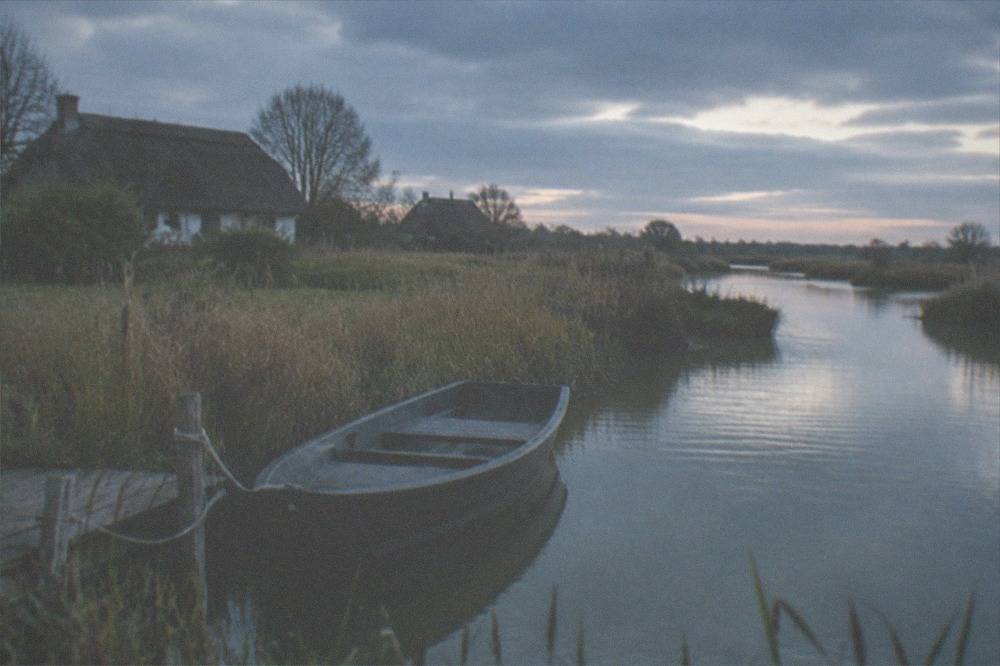
The Briere is a protected regional nature park, one of the largest marsh areas in France, covering reed beds, peat bog, meadows and dozens of thatched hamlets north-east of Nantes in Loire-Atlantique, Pays de la Loire. It was created to conserve a wetland shaped by centuries of peat cutting, reed harvesting and grazing, and it is the great natural counterpoint to Nantes's urban river landscape: flat, silent, horizontal, and given over to birds rather than trams.
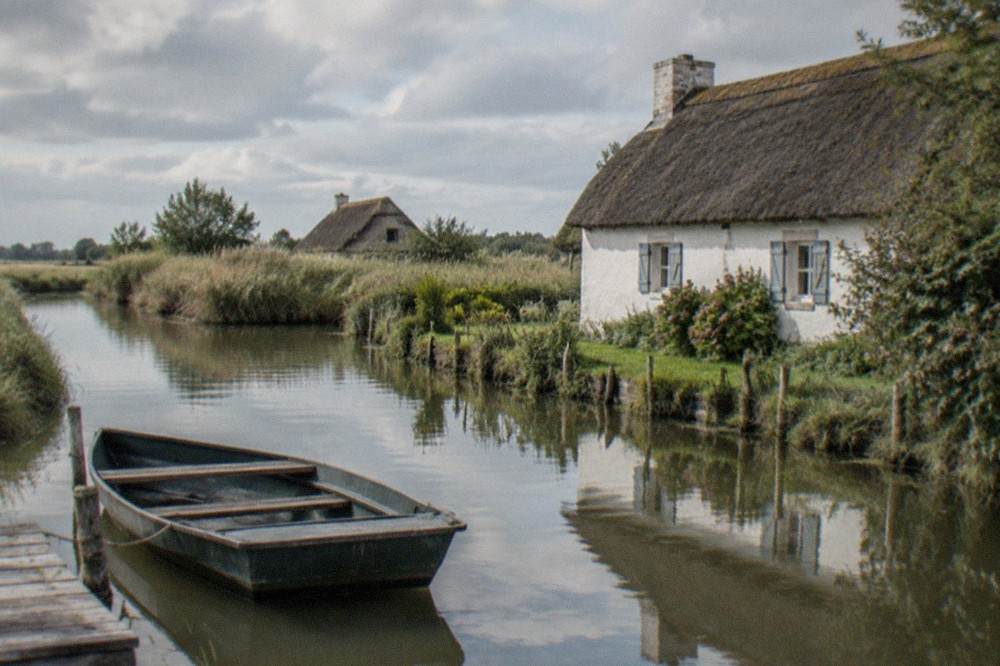
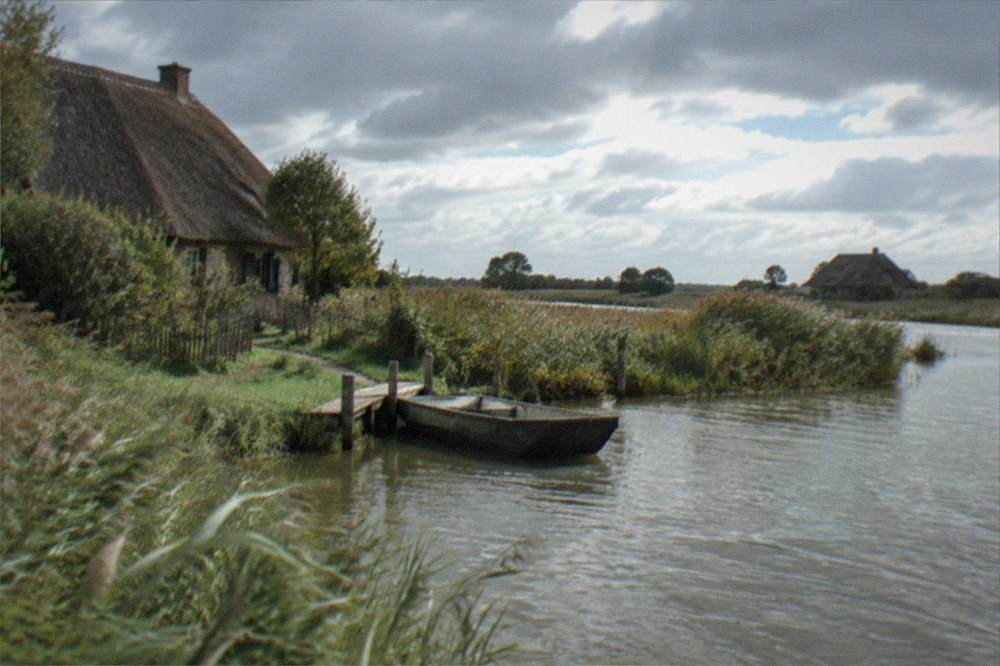
The park sits inland from the coast, behind the Guérande peninsula, and its identity is inseparable from water. Peat was cut here for fuel over many generations, and the flooded pits that remain now form the open water of the marsh. Reeds from the beds were harvested for roofing, which is why the hamlets inside the park are famous for thatch: low cottages with steep rounded roofs, whitewashed walls and shutters, often standing on the tiny islands of dry ground that punctuate the wetland. This is not a wilderness in the abandoned sense; it is a worked landscape, and the residents' unions that manage the marsh's common land are part of what the park was set up to protect.
Wildlife is the other half of the draw. The marshes and reed beds host a wide range of waterbirds across the year, and the flat terrain makes this an easy place to watch rather than a strenuous one. Several footpaths and observation points ring the open water, and the classic way to see the heart of the marsh is by small boat, poled or rowed along the channels by local boatmen, which is a tradition in itself.
How Do You Get From Nantes To The Briere?
Reaching the Briere from Nantes is simplest by car, and the drive crosses the flat country behind the Loire estuary, but the region can also be approached by combining the Nantes rail corridors towards Saint-Nazaire or the Guerande area with local connections. There is no rail station inside the marsh itself, and no metro, tram or river boat from Nantes: Naolib's network stops at the metropole boundary, so this is a car, coach or rail-plus-wheels day trip.
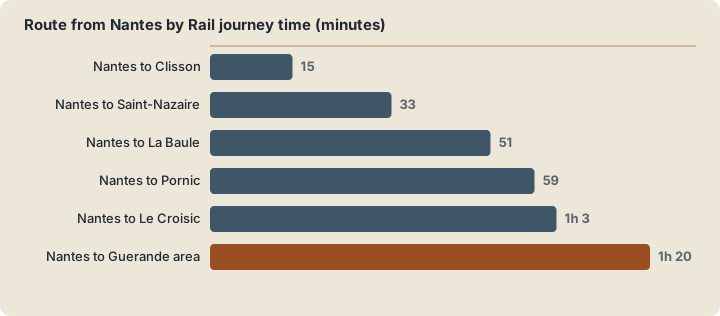
What the verified transport facts do support is the rail spine west from Nantes, which serves the coast and estuary towns around the park. The figures below are the published fastest and average TER journey times from Nantes to the stations that frame the Briere region.
| Route from Nantes | Rail journey time | Notes |
|---|---|---|
| Nantes to Clisson | fastest from ~15 min, average ~23 min | south-east corridor, not the Briere side |
| Nantes to Saint-Nazaire | fastest from ~33 min | estuary mouth, gateway to the coast west of the park |
| Nantes to La Baule | fastest from ~51 min | seaside resort south of Guerande |
| Nantes to Pornic | ~59 to 65 min | south coast option |
| Nantes to Le Croisic | fastest from ~1 h 03 | end of the peninsula rail line |
| Nantes to Guerande area | ~80 km by road | no direct rail; the walled town sits on the park's western edge |
The practical reading of that table: the Briere rewards a car. With one, the obvious shape is a loop that leaves Nantes, crosses the marsh with a stop or two, and returns via Guerande and the coast. Without one, you can reach the coast by rail and approach the park's edge from Guerande or Saint-Nazaire with local buses or an organised excursion, but the marsh's interior hamlets and boat launches are scattered and rural. If you are staying in Nantes without a car, it is worth weighing whether a structured day out suits you better than an awkward self-drive imitation; the day trips from Nantes page sorts the region's options by ease of access.
For reference, the Naolib fares that matter for any city-centre movement before you leave are the ones below, all verified from the operator's tariff pages.
| Naolib ticket | Price | Validity |
|---|---|---|
| Single 1 h ticket | 1.80 EUR | trams, buses, Navibus, TER inside the metropole |
| 10 x 1 h carnet | 17.80 EUR | ten single tickets |
| 24 h ticket | 6.80 EUR | one person, one day |
| 24 h ticket, 4 people | 15 EUR | group day ticket |
| Airport shuttle (one way) | 10 EUR | always charged, even when weekend transport is free |
| P+R park-and-ride | 4.50 EUR | 24 h parking plus transport for up to 5 people |
Note the weekend rule that catches visitors out: the Naolib network is free for everyone from Saturday 00:00 to Sunday 23:59, but the airport shuttle is excluded and always costs 10 EUR.
If you are sorting the city half of your trip alongside the marsh day, these are the three bookings most Briere visitors pair with it: an orientation walk of the centre, the transport-and-attractions pass, and the arts museum, which is the rainy-day fallback the region's weather sometimes demands.
Before leaving the city, incidentally, is the moment to sort your core Nantes sightseeing. A compact orientation walk of the centre sets up the rest of the trip, and a local guide's circuit of the old streets costs less than most museum entries.
And if your Nantes days will be museum-heavy, the city's transport-and-attractions pass is worth comparing against individual tickets, since it bundles the Naolib network with partner sites:
What Can You Do Inside The Briere Regional Park?
The core activities in the Briere are a small-boat trip on the marsh channels, walking the flat paths and birdwatching observation points around the open water, visiting the thatched hamlets such as the park's island villages, and touring the ecomuseum-style heritage sites that explain peat cutting and reed harvesting; everything is low-key, outdoor and unhurried, and a full day comfortably covers a boat trip, one village and one walk.
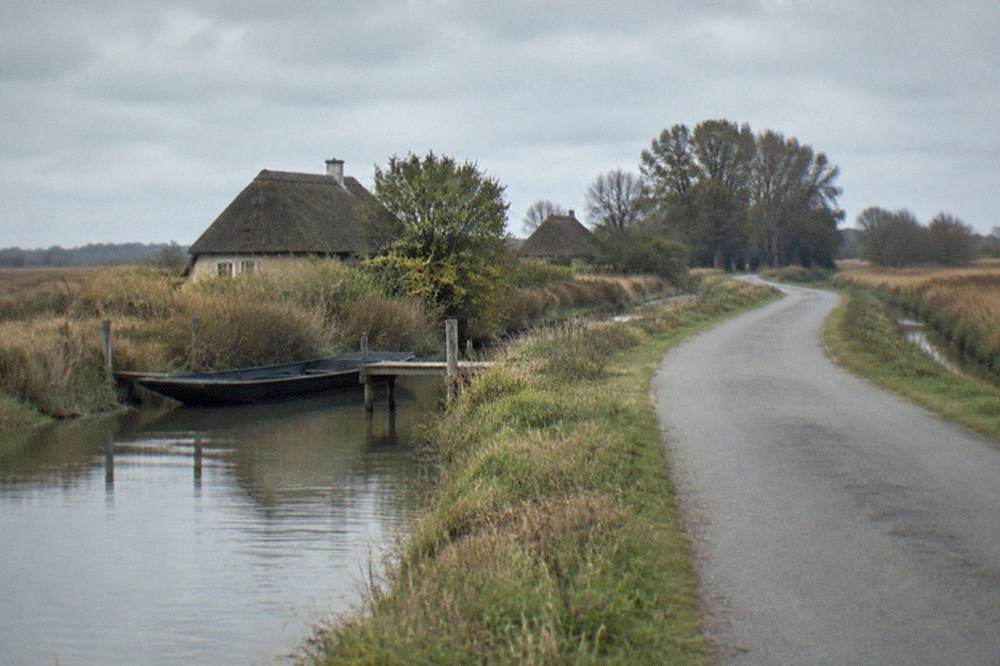
The boat trip is the signature experience. Local boatmen take small flat-bottomed boats along the channels and out onto the open marsh, and the pace is gliding rather than motoring: reed walls on either side, then a sudden widening of water with the park's islands and church spires on the horizon. Boats run from launches in the marsh villages, and the season matters, so check locally before travelling rather than assuming year-round operation; the park is a living place, not a theme park, and timetables follow the water levels and the weather.
Walking is the other natural fit. The terrain is pancake-flat, so distances that look long on a map are gentle underfoot, and the paths between hamlets thread reed beds, meadows and drainage ditches. Birdlife concentrates around the open water, and observation points and hides are dotted along the shore. Cycling works on the same logic: flat lanes, quiet roads, and a landscape that rewards stopping constantly.
The thatched hamlets are the cultural half of the day. The park's villages preserve an architecture that has largely vanished elsewhere in western France, and a slow drive or ride between them, pausing at each church and waterfront, is a rewarding way to absorb the place. Heritage displays inside the park cover the marsh economy, the peat trade, the reed cutters and the boatmen, and they are the best answer to the question of why this landscape looks the way it does.
When Is The Best Time Of Year To Visit The Briere?
The best months for the Briere from Nantes are April to June and September to October, when the marsh is green or golden, the walking is dry underfoot and the birds are active; July and August work too but bring the coast's holiday crowds to the region's roads, while November to February is cold, wet and quiet, with the reed beds cut and the landscape at its most austere. Nantes's climate is temperate oceanic, not Mediterranean, so plan for showers in any month.
The Météo-France 1991-2020 normals for the Nantes-Bouguenais station, the reference data for the whole region, show what the weather actually does: mild summers, cool winters and rain distributed across every season, totalling 819.5 mm a year.
| Month | Mean max (C) | Mean min (C) | Rain (mm) |
|---|---|---|---|
| January | 9.3 | 3.4 | 87.9 |
| March | 13.5 | 4.9 | 58.4 |
| May | 19.6 | 9.8 | 61.0 |
| July | 25.1 | 14.3 | 44.2 |
| September | 22.4 | 11.8 | 59.5 |
| November | 12.9 | 5.9 | 94.1 |
Two recent years underline the shift in extremes. A heatwave in late June 2026 set a new all-time station record of 42.2 C on 24 June at Nantes-Bouguenais, and 2026 has broken the counts of days at or above 30 C and 35 C; February 2026, by contrast, saw the Loire reach 8.18 m at Nantes, above 8 m for the first time in about fifteen years. The marsh itself responds to both ends: drought lowers the water and stresses the reed beds, and wet winters raise the channels. For a pleasant visit, the shoulder months are the safe bet.
Whatever the season, a guided start in Nantes itself is the cheapest way to orientate before the marsh day, and the listing carries the live price:
What Should You Eat And Drink Around The Briere?
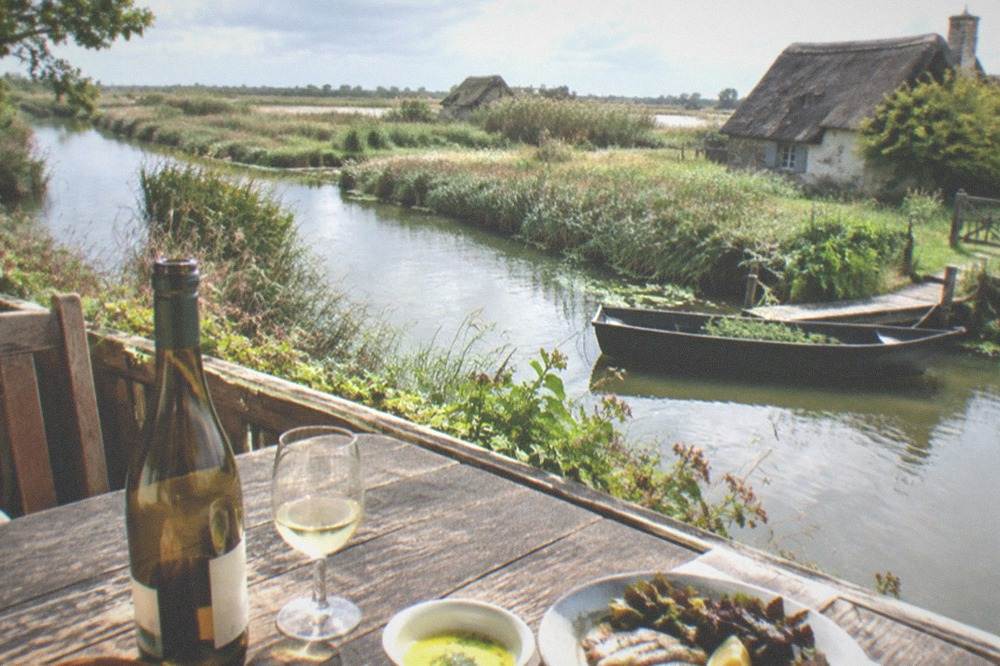
Around the Briere the eating is Loire-Atlantique country cooking, and the products to look for are the same ones that define Nantes's own tables: Muscadet from the vineyards east and south of the city, beurre blanc, the butter-and-shallot sauce Nantes restaurateurs are seeking to have protected, gâteau nantais, LU Petit Beurre biscuits born in Nantes in 1886, and berlingot candies, plus salt-cured produce from the Guerande marshes next door, where the 2026 harvest was exceptional.
The local history is genuinely edible. LU began when Jean-Romain Lefèvre set up as a biscuit maker in Nantes in 1846; the Petit Beurre that followed is the city's most famous export, and 2026 is the company's 180th anniversary year. Gâteau nantais, the almond-and-rum cake, traces to around 1820. Berlingots, the striped boiled sweets, date to the late 19th century, when the Pinson confiserie was founded near the port to use incoming sugar. The wider set of guides lives on Nantes Travel Guide.
| Product | What it is | Origin date on file |
|---|---|---|
| LU Petit Beurre | square butter biscuit, the Nantes original | LU founded 1846; Petit Beurre from 1886 |
| Gâteau nantais | almond and rum quatre-quarts cake | around 1820 |
| Berlingot nantais | tetrahedron boiled candy, seven classic flavours | late 19th century; Pinson founded 1895 |
| Beurre blanc | emulsified butter, shallot and Muscadet sauce | a Nantes restaurant classic; protected-status bid since 2025 |
| Fleur de sel de Guerande | hand-raked marsh salt from the park's neighbour | harvest recorded annually; 2026 exceptional |
Muscadet deserves its own word. The 2026 harvest began with the ban declared on 11 August 2026, a record eight days earlier than the previous mark, and yields are reported lower after heat and drought, with quality described as good. If the wine side of the region interests you more than the wetland side, the Muscadet vineyards day trip from Nantes covers the appellation in depth.
Should You Combine The Briere With Guerande Or La Baule?
Yes: the Briere, Guerande and La Baule form a natural single loop, because the marsh, the medieval walled salt town and the seaside resort sit within a short drive of each other at the top of the Loire-Atlantique coast, so the strongest car day trip from Nantes is marsh in the morning, Guerande's ramparts and salt at midday, and the beach or esplanade of La Baule in the afternoon, before returning by the same road or via Saint-Nazaire.
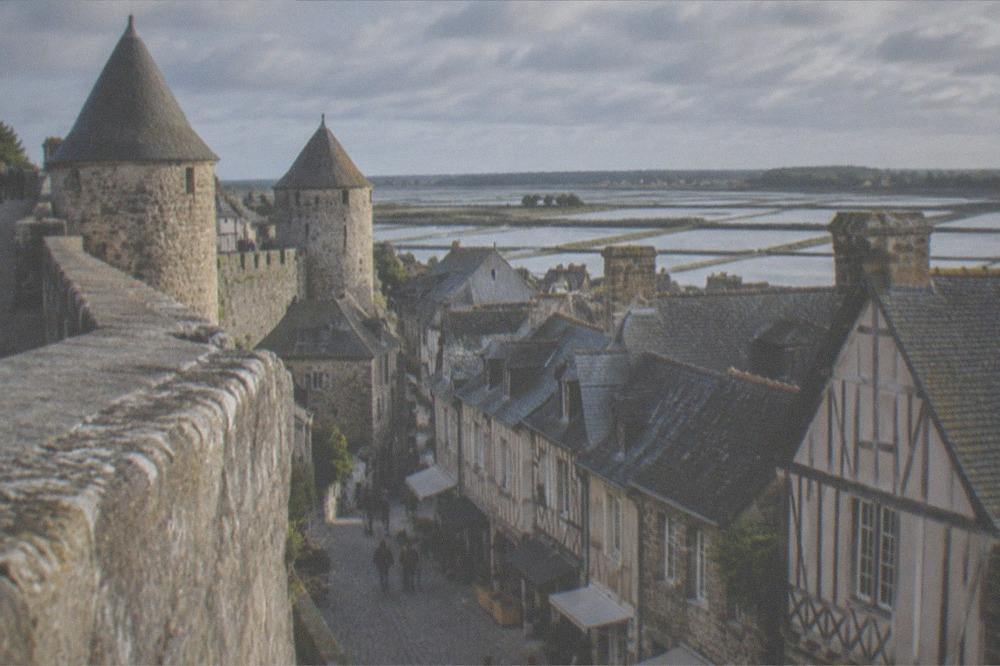
Guerande is the anchor. The town is fully walled, its salt marshes on its landward side have been worked for centuries, and the 2026 harvest has been reported as excellent, with production per salt pan running high after the hot summer. Guided visits of the marshes run year-round, and the pans host a wide range of bird species, around two hundred by the operators' own count, which makes Guerande's salt country and the Briere's reed country a natural pair for anyone interested in wetland landscapes. The full profile, including the town's history and practical notes, is on the Guerande day trip page.
La Baule gives the day its beach finish. The resort's bay is one of the Atlantic coast's classic stretches of sand, and the town's promenade and belle époque fabric make a sharp contrast with the morning's reeds. If you are building the trip around rail rather than a car, La Baule is reachable by train from Nantes in about an hour, and Guerande links onward by local connections. The La Baule day trip page and the Saint-Nazaire day trip page cover both ends of that coastal corridor.
How Much Does A Briere Day Trip Cost From Nantes?
A self-guided Briere day trip from Nantes costs little beyond fuel or rail fare, because the marsh itself is free to walk and drive through, and the main optional spends are a boat trip, lunch in a village and any heritage entries. For comparison, a Nantes day at the paid sights runs 9 EUR at the chateau museum or the arts museum, 12 EUR at each Machines de l'ile attraction, or nothing at the cathedral and the Memorial, making the wetland one of the region's cheaper big days out.
The verified Nantes till prices for the sights you might pair with a Briere day, before or after, are these:
| Sight | Full price | Free or reduced conditions |
|---|---|---|
| Chateau des ducs de Bretagne, museum | 9 EUR | free under 18; 5 EUR reduced for 18-25 and others; courtyard and ramparts free |
| Musee d'arts de Nantes | 9 EUR | 4 EUR reduced; free under 18; free Thursday 19:00-21:00 |
| Machines de l'ile, each attraction | 12 EUR | 8 EUR ages 4-12; 10 EUR reduced; day packages 20 EUR for two, 29 EUR for three |
| Musee Jules Verne | 4 EUR | 1.50 EUR reduced |
| Cathedral Saint-Pierre-et-Saint-Paul | free | partially reopened 27 September 2025; full reopening planned 2028 |
| Memorial to the Abolition of Slavery | free | daily, seasonal hours |
One warning that matters for planning: the Pass Nantes covers the Galerie des Machines and the Carrousel but not the Grand Éléphant ride, and the elephant is offline for maintenance from 2 November 2026 to 28 February 2027, so do not build a Machines stop around elephant rides in that window. The natural history museum is closed for works until 2029 and should not be on any Nantes list.
If you would rather book structured help for the city end of the trip, the live listings carry current prices:
What Should You Know Before You Go?
Before you go to the Briere, know four things: the park is rural and its boat launches and heritage sites keep their own timetables, so check locally on the day; the terrain is flat and exposed, so sun, wind and rain protection matter more than stamina; midges and mosquitoes are a fact of marsh life in the warm months, so cover up or bring repellent; and the region's roads fill in July and August when the Guerande coast is at its busiest, which is the argument for the shoulder months.
Pack for a landscape without shelter. The marsh has almost no tree cover on its open water, and the same flatness that makes walking easy makes the wind and the sun feel direct. In the heat extremes the region has recently recorded, a 42.2 C station record set in June 2026, the reed beds are no place for a long midday walk, so shape the day early and late, with the boat or a shaded village at noon.
Respect the working landscape. The reed beds are harvested, the meadows are grazed and the water levels are managed; stick to marked paths, keep to the observation points for birdwatching, and leave the channels to the boatmen. The park's charm is precisely that it is not a resort, and the villages inside it are homes first.
Common Questions About The Briere Regional Park
Is the Briere worth visiting from Nantes?
Yes, if you want a landscape rather than another town. The Briere is one of the largest marshes in France, and its thatched hamlets, boat channels and reed beds are unlike anything within the same range of Nantes. It suits travellers with a car, an interest in birds or traditional architecture, and a taste for slow days; anyone chasing sights, crowds and nightlife should stay in the city or head to the coast.
How far is the Briere from Nantes?
The park lies north-east of Nantes in Loire-Atlantique, reached across flat country behind the Loire estuary. Road and rail links for the region run to about 80 km by road to Guerande, the walled town on the park's western edge, with rail times from Nantes of roughly half an hour to Saint-Nazaire and about an hour to La Baule on the coastal side. Allow a full day for the round trip.
What is there to do in the Briere?
Take a small boat out on the marsh channels with a local boatman, walk the flat paths and observation points around the open water, visit the thatched island hamlets, and stop at the heritage displays covering peat cutting and reed harvesting. Birdwatching is excellent, and the whole park can be toured slowly by car or bike between villages.
Can you visit the Briere without a car?
It is awkward but not impossible. There is no rail station inside the marsh, so car-free visitors reach the coastal corridor by train from Nantes, then approach the park's edge from the Guerande area with local connections or an organised excursion. A car, hired in Nantes, remains the practical choice for the interior hamlets and boat launches; the car hire in Nantes guide covers the basics.
What is the best time of year for the Briere?
April to June and September to October, when the marsh is green or golden, the walking is dry and the region's coast roads are quieter than in high summer. July and August are warmest, with Nantes mean maxima around 25 C, but the Guerande coast is at its busiest then. Winter is cold, wet and austere; the reeds are cut and the water is high.
Should you combine the Briere with Guerande?
Yes, they are natural partners. The marsh, the walled town and its salt pans sit side by side at the top of the Loire-Atlantique coast, and the classic day is a boat trip or walk in the Briere, Guerande's ramparts and salt marshes at midday, and an optional beach stop at La Baule before returning to Nantes.
The Briere will never compete with the Machines de l'île or the château for headline recognition, and that is exactly its value. A day in the reeds is the day your Nantes trip stops looking like a city break and starts reading like Loire-Atlantique.
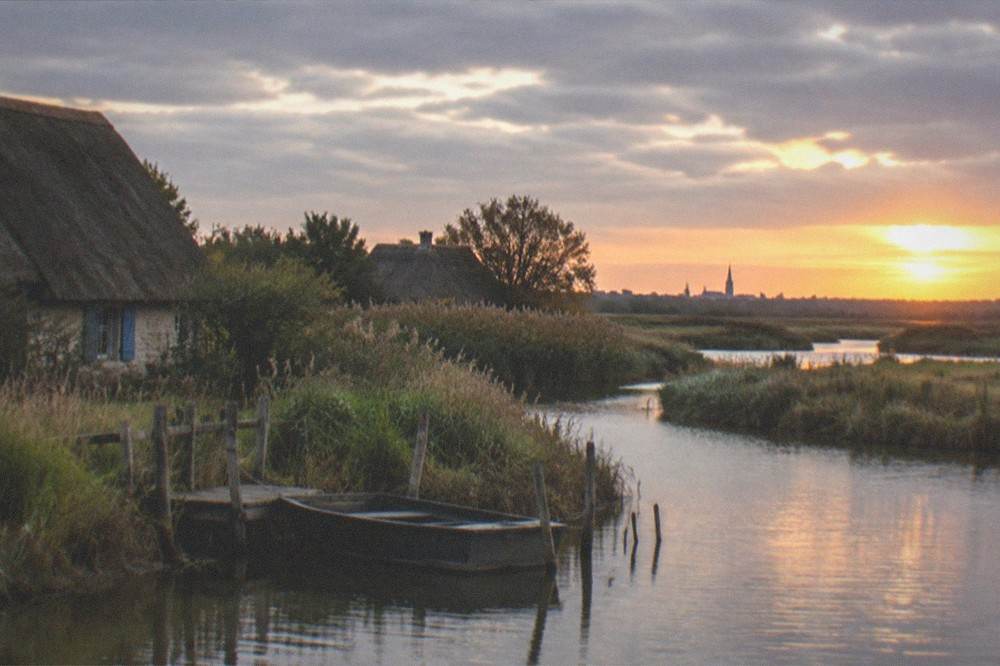
Whether you spend your Nantes days on the green line or out in the reeds, plan the wetland day early in your trip: it is the one excursion that is genuinely weather-shaped, and the marsh at golden hour, water flat and reeds moving, is the image of the region you will keep. That is the Briere's whole offer, and it needs nothing added.