What Is The Coldest Month In Nantes?
January is the coldest month in Nantes, France, with a mean temperature of 6.4 C, mean highs of 9.3 C and mean lows of 3.4 C, according to Meteo-France 1991-2020 normals.
Nantes, in the Loire-Atlantique department of the Pays de la Loire region of western France, sits on the Loire about 50 km from the Atlantic coast, and its climate is temperate oceanic rather than continental or Mediterranean. That maritime influence keeps winters mild and damp rather than harsh. Still, the city has a proper cold season, and it has a clear coldest month.
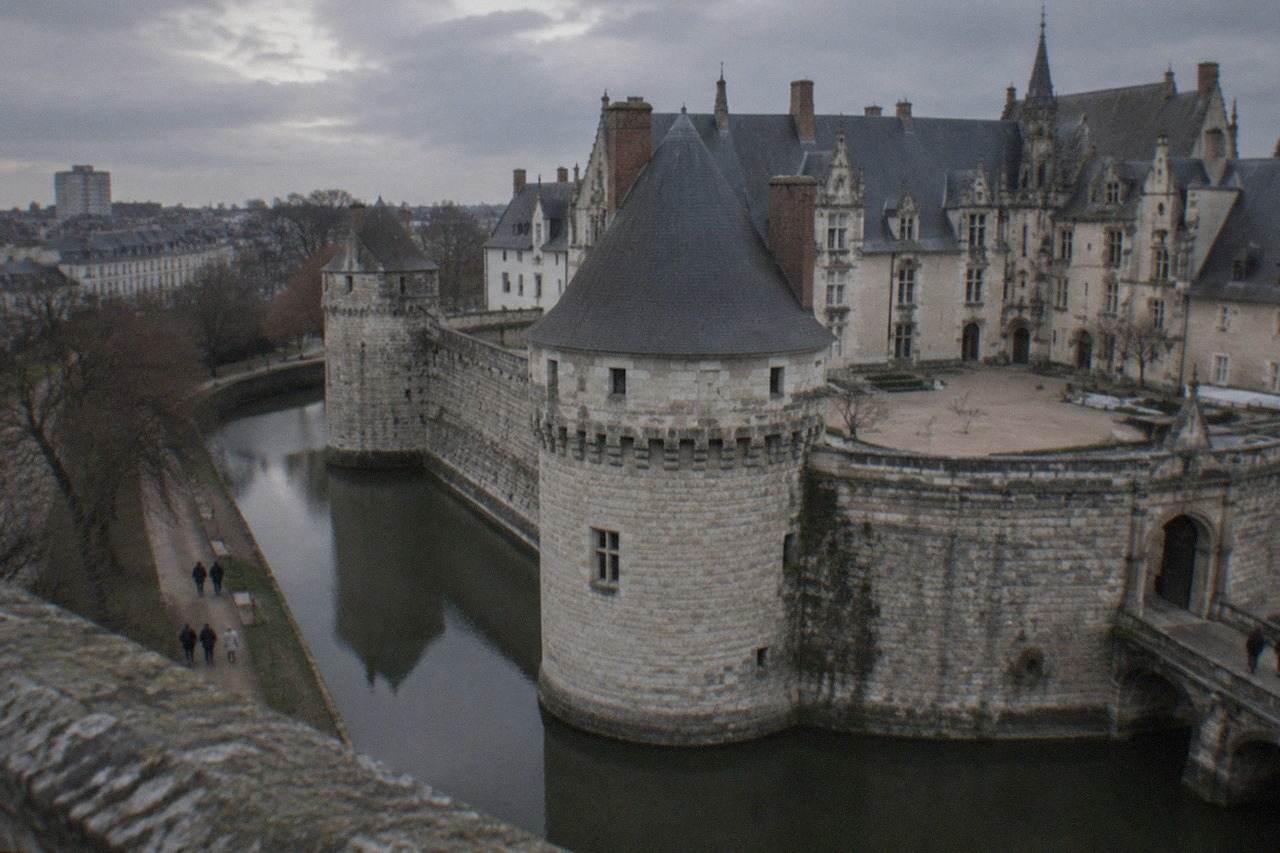
What Is The Coldest Month In Nantes?
January is the coldest month in Nantes, France. Meteo-France's 1991-2020 normals for the Nantes-Bouguenais station give January a mean temperature of 6.4 C, with mean daily highs of 9.3 C and mean nightly lows of 3.4 C. January also averages 7.8 frost days, more than any other month, alongside 87.9 mm of rain spread over 12.5 days and just 72.6 hours of sunshine, the dullest month of the year.
February runs January extremely close, and on a couple of measures it is actually the chillier month. Its mean minimum of 3.0 C is a shade lower than January's 3.4 C, and the all-time record low for the station, minus 15.6 C, was set on 15 February 1956, not in January. But the overall mean of 6.7 C, slightly milder than January's, and the higher sunshine total of 102.3 hours mean the title of coldest month belongs to January on balance.
The reason January feels grey is the light as much as the temperature. At 72.6 sunshine hours across the month, Nantes averages under 2.5 hours of sun a day in January, against 232.6 hours in August. Rainfall is steady rather than dramatic: 87.9 mm across 12.5 days with at least 1 mm, which means drizzle and showers rather than downpours. For a fuller picture of the wet side of the city's climate, see how much it rains in Nantes.
How Cold Does Nantes Actually Get In Winter?
Nantes averages 29.1 frost days a year, concentrated between November and March, with 7.8 of them in January and 7.2 in February. Mean daily highs stay between 9.3 C and 10.5 C across January and February, while mean nightly lows sit just above freezing at 3.4 C and 3.0 C. Deep cold is rare: the coldest temperature ever recorded at the station is minus 15.6 C, on 15 February 1956.
Snow is a minor player in the city's winter. The 1991-2020 normals give January 1.3 snow days and February 2.0, with December at 0.9 and March at 0.3, a yearly total of 4.7 days. When snow does fall it rarely settles for long, because the oceanic air off the Atlantic keeps temperatures hovering near the point where rain and snow swap places. Hard frosts overnight followed by grey, damp afternoons are the standard January pattern.
| Month | Mean C | Mean max C | Mean min C | Rain mm | Days >=1 mm | Sunshine h | Frost days |
|---|---|---|---|---|---|---|---|
| December | 6.7 | 9.8 | 3.7 | 101.0 | 13.5 | 77.6 | 7.4 |
| January | 6.4 | 9.3 | 3.4 | 87.9 | 12.5 | 72.6 | 7.8 |
| February | 6.7 | 10.5 | 3.0 | 67.5 | 10.6 | 102.3 | 7.2 |
| March | 9.2 | 13.5 | 4.9 | 58.4 | 9.4 | 147.3 | 3.1 |
All figures are Meteo-France 1991-2020 normals for station Nantes-Bouguenais 44020001. The table shows why January wins the coldest-month title: it is the only month with a mean below 6.5 C, and it pairs the lowest mean maximum with the lowest sunshine total.
If a cold city break is on the cards, the compact historic centre works in this weather. The self-guided route below covers 35 stops at your own pace, so a café stop is never far when the drizzle sets in.
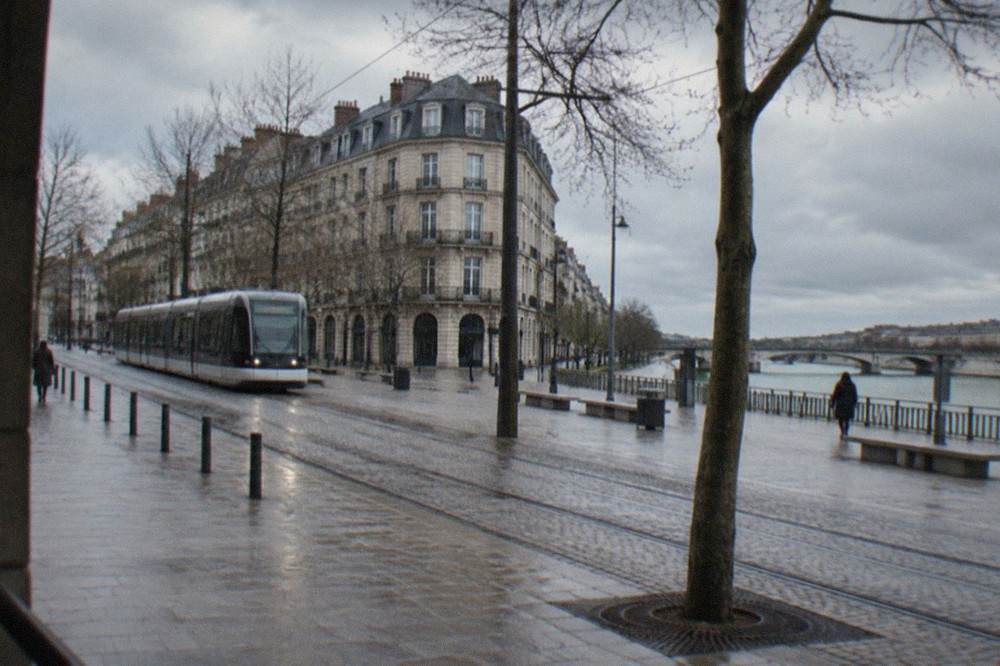
Is Winter A Bad Time To Visit Nantes?
Winter is not a bad time to visit Nantes, and January has real advantages: museum queues are short, hotel demand drops after the festive season, and indoor attractions such as the Chateau des ducs de Bretagne museum and the Musee d'arts are fully open. The trade-off is 72.6 sunshine hours in January and 12.5 rain days, so a waterproof layer matters more than a heavy coat.
The city's big indoor draws carry on through the cold months. The castle museum opens 10:00-18:00 and is closed Mondays outside the July-August stretch, with the free courtyard accessible daily from 8:30. The Musee d'arts keeps a Thursday nocturne until 21:00, with free entry in the 19:00-21:00 slot. Both are listed in full in the site's guide to museums in the city, so there is no shortage of covered ground when the sky lowers. Other pages covering the same trip are gathered on Nantes Travel Guide.
There is one seasonal trap worth knowing. The natural history museum, the Muséum d'histoire naturelle, has been closed for major works since November 2025 and is not due to reopen until 2029, so it is not a rainy-day stop in any winter of the late 2020s. The planetarium and the Jules Verne museum both remain open and fill that gap nicely.
Late winter also brings one of the city's best events. La Folle Journée, the classical music festival founded in 1995, runs 27 to 31 January 2027 with a theme built around Beethoven. Short daytime concerts at friendly prices make it a genuinely good reason to visit in the coldest month itself.
Day length is the other honest drawback of a January visit. The sun rises around 08:50 and sets near 17:35, so plan indoor stops for the late afternoon rather than counting on evening light for sightseeing. Temperatures are milder than the raw numbers suggest: the average January high is about 9 C and the low about 2 C, which rarely calls for serious cold-weather gear. Snow is rare enough that you should not build a plan around it, and wind is the element most likely to make a riverside walk feel colder than the thermometer reads.
Christmas is another angle worth weighing. The Nantes Christmas market typically runs from late November into January, so an early-winter visit can pair short museum queues with the festive stalls, while a January visit trades that atmosphere for the lowest hotel rates of the season. If your dates are flexible, the first half of December offers the best of both worlds.
Does It Ever Snow Or Freeze Hard In Nantes?
Snow falls in Nantes on about 4.7 days a year on the 1991-2020 normals, with 2.0 of those in February and 1.3 in January, and it rarely lies for long because mean daily highs stay near 9-10 C. Hard freezes do occur: the station record is minus 15.6 C from 15 February 1956, and the normals show 29.1 frost days a year. But sustained sub-zero weather is unusual so close to the Atlantic.
The coldest snaps arrive when high pressure builds over continental Europe and drags easterly air across France, arriving in Nantes modified but still cold. Because the city sits roughly 50 km up the Loire from the ocean, that maritime cushion softens the worst of it, and the Loire and Erdre rivers rarely see more than passing ice at the edges in the very coldest spells.
| Winter weather feature | January | February | December |
|---|---|---|---|
| Mean daily high | 9.3 C | 10.5 C | 9.8 C |
| Mean nightly low | 3.4 C | 3.0 C | 3.7 C |
| Frost days | 7.8 | 7.2 | 7.4 |
| Snow days | 1.3 | 2.0 | 0.9 |
| Rain days (>=1 mm) | 12.5 | 10.6 | 13.5 |
The numbers point to a consistent picture: pack for damp and cool rather than snow. A warm waterproof jacket, layers and shoes that can take wet pavement cover almost every January day in the city. Umbrellas work, but the breezy riverside can make a hood the more practical choice along the Loire quays.
What Should You Pack For Nantes In January?
For Nantes in January, pack for a mean high of 9.3 C and a mean low of 3.4 C, with rain on roughly 12.5 days of the month: a warm waterproof coat, mid-layers, a scarf and gloves for evenings, and water-resistant shoes are the essentials. The cold is a damp Atlantic cold rather than a dry continental one, so windproofing and staying dry matter more than extreme insulation.
Daylight is short in January, so plan indoor stops for the late afternoon when the light goes. The covered shopping arcades help here too. The Passage Pommeraye, built in 1843 and unchanged since, is a three-storey covered gallery that keeps the drizzle off between shops, and it sits right in the middle of the route between the castle district and Graslin.
If the weather turns truly grim, the city's escape rooms and covered attractions are distributed across the centre, and many visitors slot a walkable city itinerary around café stops rather than pushing through long open stretches. The compact scale of the centre makes that easy: the distances between the castle, the cathedral and Graslin are short enough that 15 minutes of rain is the worst exposure you face.
Thinking of pairing the visit with a ride on the self-guided route? It runs at your own pace, so a cold afternoon can be split with warm-up stops, and you can decide on the day.
Wine lovers can still use the cold months well. Muscadet country starts just south-east of the city, and cellar-door tastings are largely indoor affairs, as the guide to Muscadet's character explains. The 2026 harvest was picked exceptionally early, with the ban declared on 11 August 2026, so the new vintage is already in bottle by midwinter.
Common Questions About Winter Weather In Nantes
What is the coldest month in Nantes?
January is the coldest month in Nantes, France, with a mean temperature of 6.4 C, mean daily highs of 9.3 C and mean nightly lows of 3.4 C on the Meteo-France 1991-2020 normals, plus 7.8 frost days, the highest of any month.
Does it snow in Nantes in winter?
Snow falls in Nantes on about 4.7 days a year across the 1991-2020 normals, with 1.3 of those in January and 2.0 in February. Because mean highs stay near 9-10 C in midwinter, lying snow is uncommon and rarely lasts beyond a day or two.
How cold does it get at night in Nantes in winter?
Mean nightly lows in the coldest months are 3.4 C in January, 3.0 C in February and 3.7 C in December. The all-time record low at the Nantes-Bouguenais station is minus 15.6 C, recorded on 15 February 1956, but sustained sub-zero nights are rare this close to the Atlantic.
Is February colder than January in Nantes?
February has a slightly lower mean nightly low, 3.0 C against January's 3.4 C, and holds the all-time record low, but its overall mean of 6.7 C is milder than January's 6.4 C and its mean daytime high is higher, 10.5 C against 9.3 C. January therefore remains the coldest month overall.
Is Nantes warmer than inland eastern France in winter?
Yes. Nantes has a temperate oceanic climate moderated by Atlantic air, so its January mean of 6.4 C sits well above what continental eastern France experiences in the same month. The city never gets the deep, dry cold of central Europe, only 29.1 frost days a year on average.
Whether you visit in the coldest month or wait for the warmer ones, Nantes Travel Guide covers the city year round, and the grey damp of a January afternoon is exactly what its covered arcades, museums and crêperies were built for.