Natural History Museum Nantes
The Natural History Museum in Nantes has been closed to the public since 3 November 2025, with reopening scheduled for 2029. Here is what the works involve, what the pop-up replacement programme offers, and which open museums and gardens fill the gap in the meantime.
Short answer
The Natural History Museum in Nantes is closed to the public since 3 November 2025 for major restructuring works, with reopening scheduled for 2029. Its pop-up programme, Le Muséum près de chez vous, continues across the Nantes metro area in 2026, and the museum is excluded from the 15 € Pass Musées while it is shut.
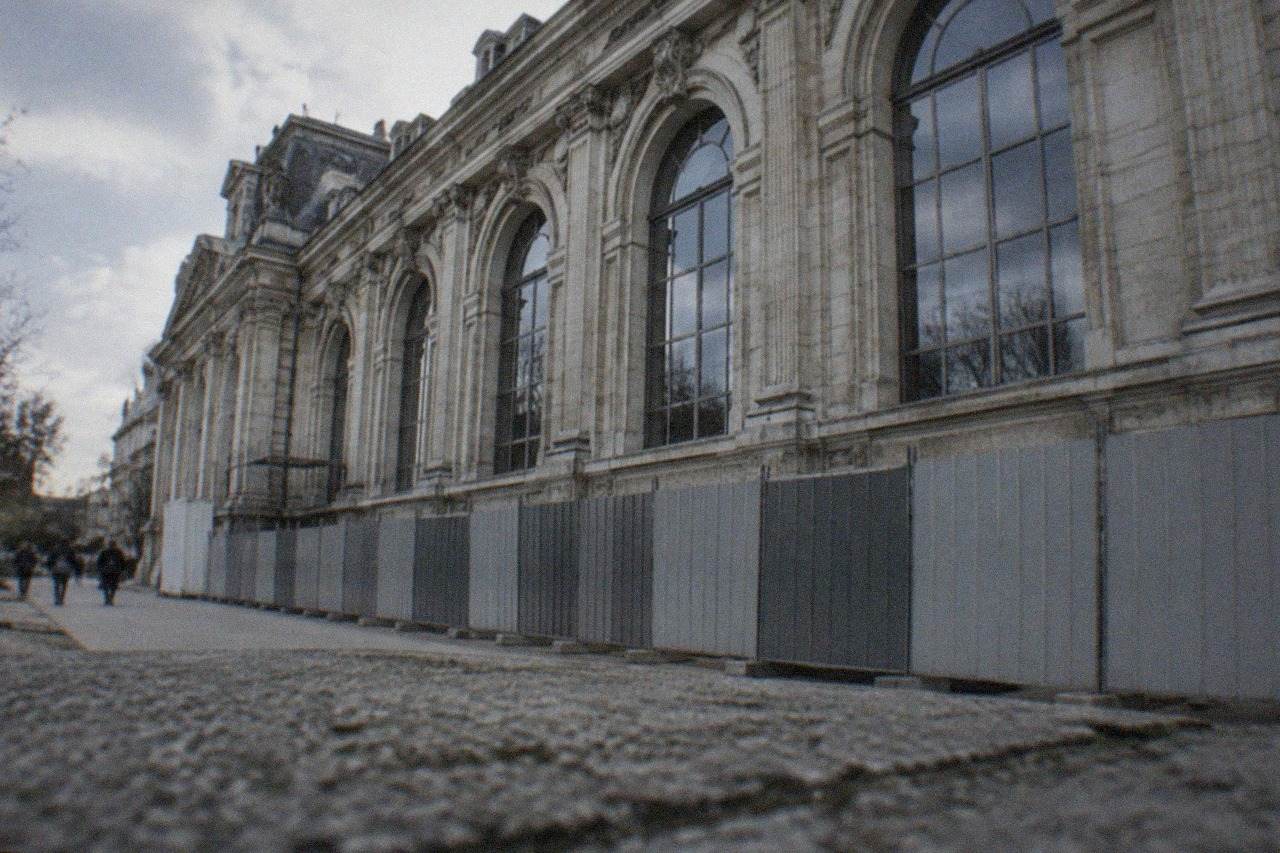
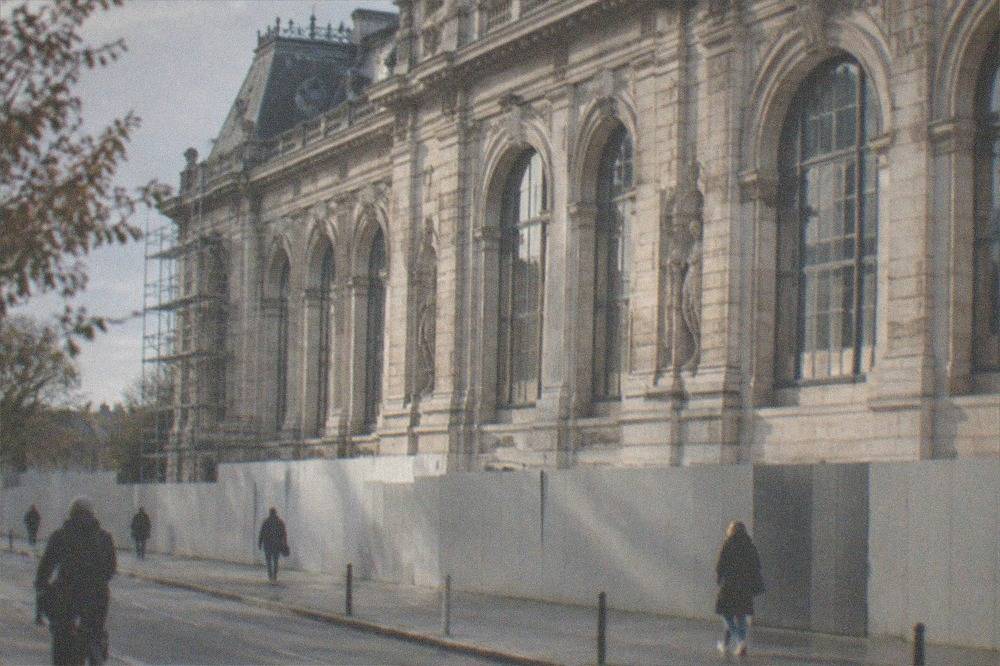
The Natural History Museum in Nantes, the river city of the Loire-Atlantique department in the Pays de la Loire region of western France, is closed to the public, and it will stay that way for several years. The shuttered doors are not a setback but a planned transformation: the works that began on 3 November 2025 are scheduled to finish in 2029, and the institution is carrying on its public life through pop-up exhibitions while the building is rebuilt around it. Every section of this page is built around that single fact, from the figures behind the renovation to the open museums, science attractions and gardens that fill the gap for visitors arriving in the meantime. For the wider picture of the city, the city's main attractions guide keeps the full inventory.
Is The Natural History Museum In Nantes Open?
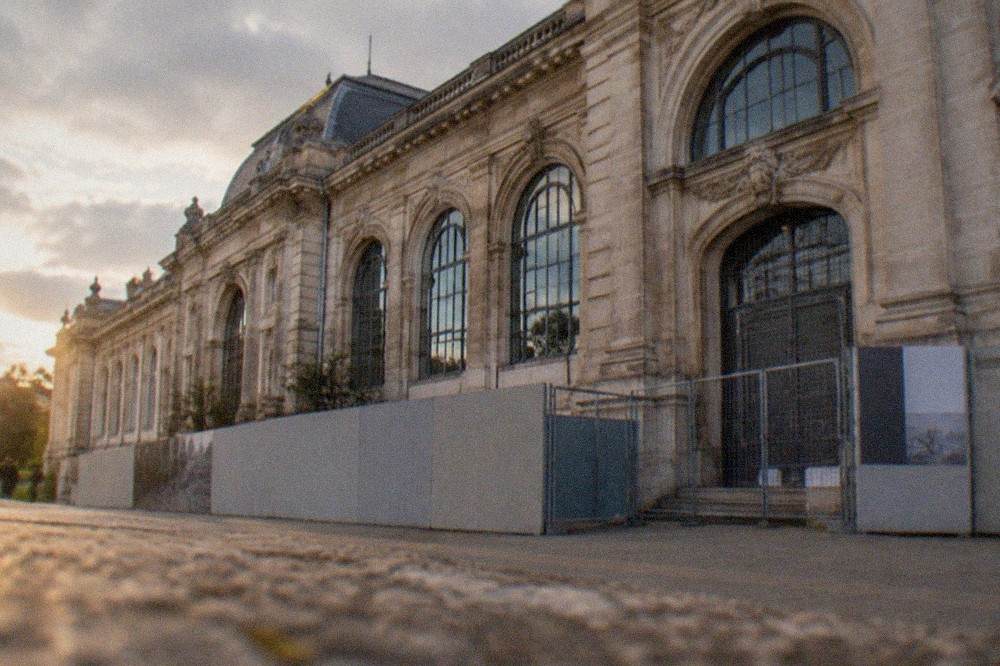
The Natural History Museum in Nantes is closed to the public, and it has been since 3 November 2025, when major restructuring works began on the building. The Métropole's museums page states that the reopening is scheduled for 2029. No tickets are on sale, the permanent galleries are not visitable, and the museum is not part of the Pass Musées while the works run.
That is the whole answer in one line, but the context matters. The closure was announced in advance and came into effect on 3 November 2025, so any itinerary, guidebook or blog post that still lists the museum as a rainy-day stop is out of date. The Métropole's own museum listings are the source on file for the closure date, the 2029 reopening target and the relocation of the collections, and nothing on this page goes beyond what those listings state. Before the works began, the site drew more than 140,000 visitors a year, which the Métropole's museum page reports as its pre-closure attendance. A museum of that weight does not simply vanish from a city's cultural circuit when it closes, and Nantes has arranged two things in its absence: a travelling programme under the name Le Muséum près de chez vous, and an unusually deep bench of open museums a short tram ride away.
| Detail | Figure |
|---|---|
| Status | Closed to the public |
| Closed since | 3 November 2025 |
| Reason | Major restructuring and renovation works |
| Scheduled reopening | 2029 |
| Attendance before closure | More than 140,000 visitors a year |
| Pass Musées | Not included while closed |
| Replacement programme | Le Muséum près de chez vous pop-ups |
Why Is The Natural History Museum Nantes Closed Until 2029?
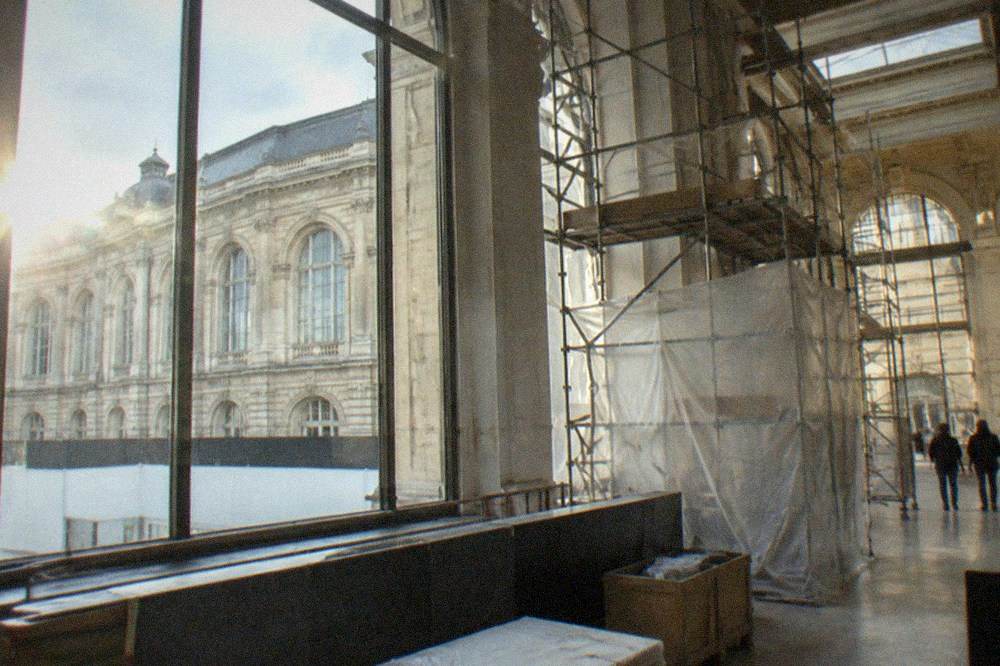
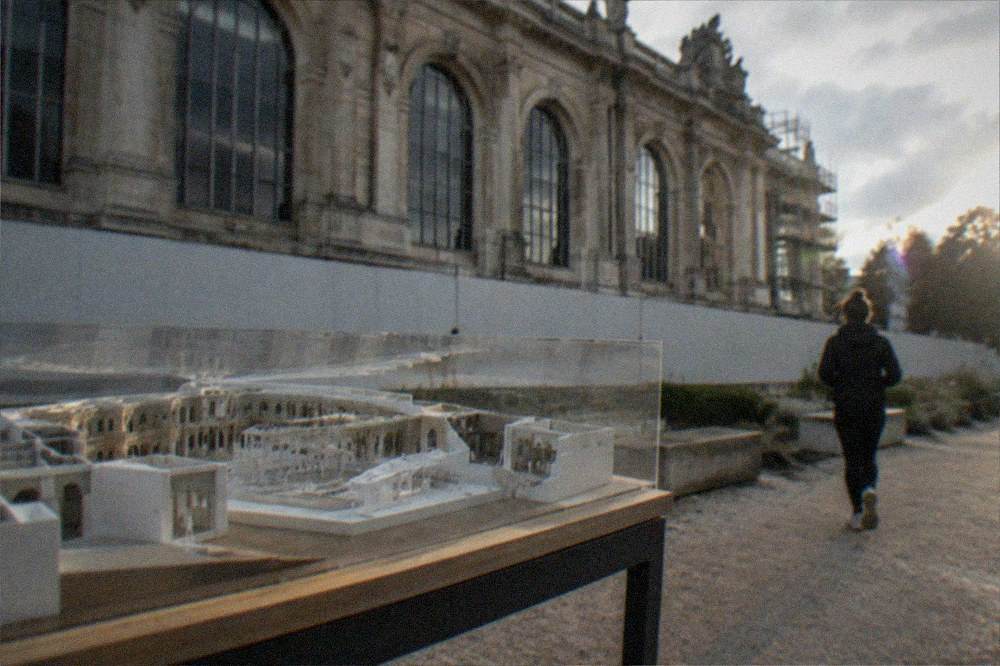
The closure is a transformation rather than a repair job. The Muséum's renovation plans roughly double the public space, from about 2,200 square metres to about 3,900 square metres, and reorient the displays around ecology, biodiversity and immersive experiences. The collections are being relocated while the works run. The Métropole has set 2029 as the reopening year.
The scale is the first thing to grasp. Going from about 2,200 square metres of public space to about 3,900 is close to a doubling, and that kind of expansion cannot happen around open galleries. Specimens, display cases and reserve collections have to be crated, catalogued and moved, which is why the Métropole's pages describe the collections as being relocated for the duration. The second thing is the direction of the new museum. The renovation plans give ecology, biodiversity and immersive experiences as the three organising themes, a shift away from the traditional cabinet-of-specimens model towards something closer to a contemporary science centre.
Four years is a long time to keep an institution present in a city's mind, and that is precisely what the pop-up programme is for, covered in the next section. What the closure does not mean is a hole in the Nantes museum circuit. The city runs a dense cluster of museums, most of them within the fare perimeter of a single tram ticket, and the closures elsewhere on the circuit are the exception rather than the rule: the natural history museum is the major one, and its 2029 return is the most substantial museum project on the Métropole's books.
| Element | Figure |
|---|---|
| Current public space | About 2,200 square metres |
| Planned public space | About 3,900 square metres |
| Change | Roughly double |
| Reopening year | 2029 |
| Collections during works | Being relocated |
| New display themes | Ecology, biodiversity, immersive experiences |
The works also explain why this page refuses to guess at reopening month or season. The Métropole's target is the year 2029, full stop, and no finer date appears in any source on file. Anyone selling a "winter 2028" or "spring 2029" reopening is filling a gap from imagination.
While the museum sleeps, the rest of the circuit carries the load, and a good way to cover it is with someone who knows the ground. The guided options below range from quick orientation walks to private custom tours.
What Is Le Muséum Près De Chez Vous?
Le Muséum près de chez vous is the pop-up programme that keeps the closed institution alive: exhibitions and events staged at venues across the Nantes metro area throughout 2026, in place of the shuttered building. The Métropole's museum pages present it as the public face of the Muséum while the works run. Confirmed dates appear on the Métropole's event listings.
The name translates as "the museum close to your home", and that is the operating principle. Rather than concentrating its remaining activity at one temporary site, the institution is dispersing it: exhibitions and events are staged at venues spread across the metro area, so that residents and visitors meet the museum's programming in neighbourhoods rather than having to travel to a closed building. The Métropole's listings describe a programme running through 2026, which is the only timeframe on file, and the specific events are published as they are confirmed rather than announced as a fixed season.
For a visitor, the practical reading is this. There is no standing natural history exhibition in Nantes right now, and there will not be one until 2029, but there may well be a pop-up event running during your stay. The way to find out is the Métropole's own event pages, checked close to your travel dates, because the programme is by nature moving and dates are added as venues are confirmed. Treat anything older than your booking window with caution.
The programme also answers a question families often ask: is there anything science-shaped for children in Nantes while the museum is shut? Between the pop-ups, the Planetarium and the mechanical bestiary of Les Machines de l'île, the answer is yes, and the sections below lay out exactly what each one costs.
What Can You See In Nantes Instead While The Museum Is Closed?
Nantes has a dense museum circuit to absorb the visit. The Musée d'arts de Nantes charges 9 € full and 4 € reduced, the Musée d'histoire inside the Château des ducs de Bretagne 9 € and 5 €, the Musée Jules Verne 4 € and 1.50 €, and the reopened Musée Dobrée 9 € and 6 €. The Jardin des Plantes and the Île de Versailles stay free.
Start with the Château des ducs de Bretagne, whose ramparts and courtyard are free to walk every day, and whose interior museum, the Musée d'histoire de Nantes, tells the city's whole story from the dukes to the port era. It costs 9 € full price and 5 € reduced, is free for under-18s and closes on Mondays. The Musée d'arts de Nantes is the fine-arts counterpart, 9 € and 4 €, free under 18, closed Tuesdays, with a late Thursday opening reported on its practical pages. The Musée Jules Verne guide covers the city's most famous son at 4 € full and 1.50 € reduced, also closed Tuesdays, and the Musée Dobrée, back open since May 2024 after more than a decade of works, runs at 9 € and 6 € Wednesday to Sunday.
| Museum | Full price | Reduced price | Closed |
|---|---|---|---|
| Musée d'arts de Nantes | 9 € | 4 € | Tuesdays |
| Musée d'histoire de Nantes (château) | 9 € | 5 € | Mondays |
| Musée Jules Verne | 4 € | 1.50 € | Tuesdays |
| Musée Dobrée | 9 € | 6 € | Mondays and Tuesdays |
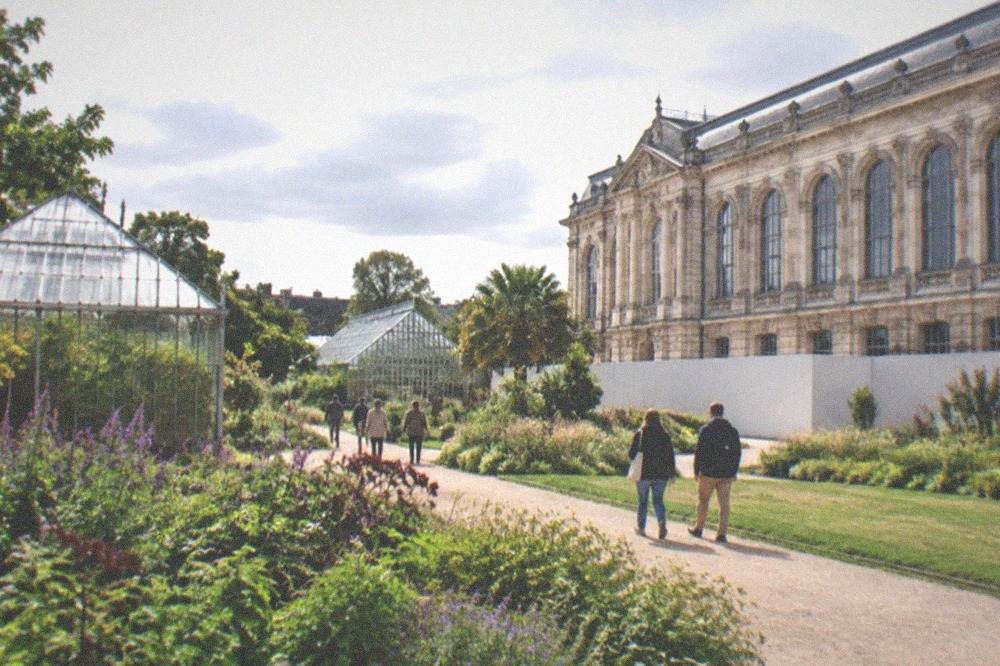
Two free anchors hold the circuit together. The Jardin des Plantes is one of the great city gardens of western France, and the Île de Versailles offers a Japanese garden on the Erdre, a river the city treats almost as its own interior coastline. Both cost nothing, both are open daily with seasonal hours, and both work as the connective tissue between museum stops. Between them and the museums, a full day fills itself without the natural history collection.
Photography-minded visitors lose nothing by the closure either. Nantes is a city of layered facades, restored industrial quays and green-line interventions, and a photo-spots walk with a local turns that backdrop into an itinerary. The solo option below covers the city's most photogenic corners with a guide who knows where the light lands. Other pages covering the same trip are gathered on Nantes Travel Guide.
For depth on how Nantes became this particular city, the port, the trade, the biscuit factories and the rest, the history of Nantes fills the background that a closed natural history museum would otherwise have sketched.
What Science And Nature Attractions Are Open In Nantes Now?
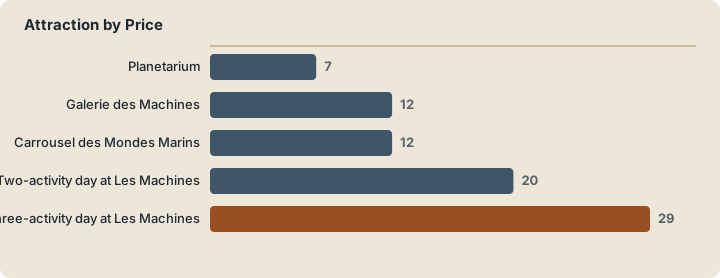
The Planetarium runs sessions at 7 € full price and 3 € reduced, with 3 € child sessions for ages four to eight. Les Machines de l'île charges 12 € per activity, 10 € reduced and 8 € for children aged four to twelve, with two activities at 20 € and three at 29 €. The Jardin des Plantes and the Île de Versailles are free.
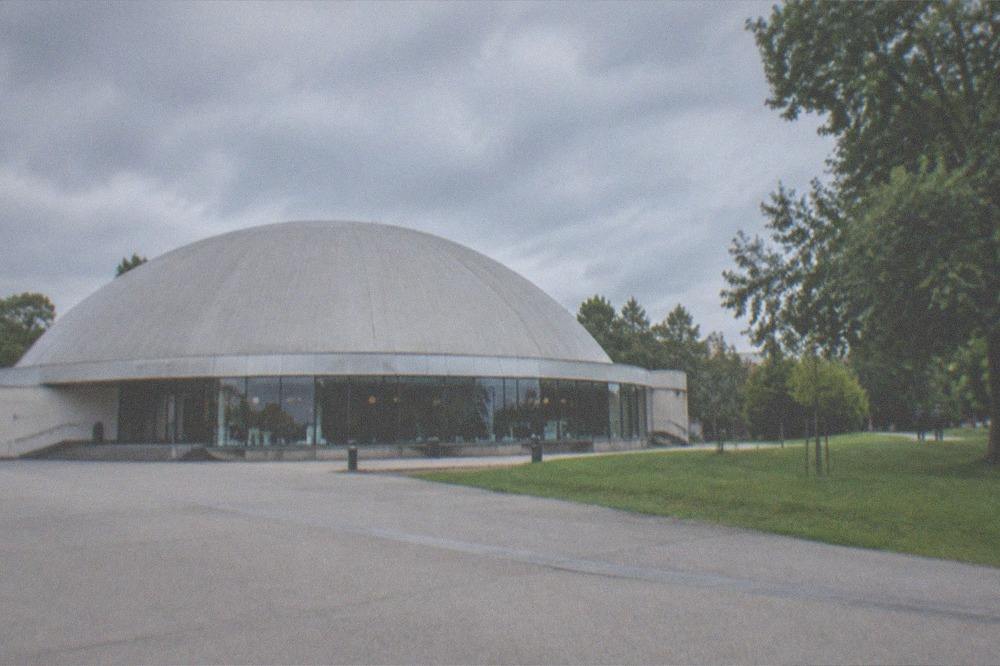
The Planetarium is the closest substitute in spirit, and the Planetarium prices and sessions are verified: 7 € full and 3 € reduced for the standard sessions aimed at ages eight and up, and dedicated 3 € child sessions for ages four to eight, each running about half an hour against the hour of the main shows. For a family with children in that four-to-eight bracket, the child session is the cheapest structured science activity in the city. Les Machines de l'île takes the natural-history brief somewhere stranger, its mechanical elephant and marine carousel behaving like specimens from an imaginary taxonomy, and its tariff grid is flat across activities: 12 € for the Galerie or the Carrousel, 10 € reduced, 8 € for ages four to twelve, with the two-activity day at 20 € and the three-activity day at 29 €.
| Attraction | Price | Note |
|---|---|---|
| Planetarium | 7 € full, 3 € reduced | Child sessions 3 €, ages four to eight |
| Galerie des Machines | 12 € | Reduced 10 €, children four to twelve 8 € |
| Carrousel des Mondes Marins | 12 € | Same tariff grid |
| Two-activity day at Les Machines | 20 € | Same-day combination |
| Three-activity day at Les Machines | 29 € | Same-day combination |
| Jardin des Plantes | Free | Large city botanical garden |
| Île de Versailles | Free | Japanese garden on the Erdre |
One verified caveat belongs here. No rides on the Grand Éléphant run from 2 November 2026 to 28 February 2027 because of maintenance, so a winter visit to Machines de l'île should not promise the elephant. The Galerie and the Carrousel carry on, and both are covered by the city's tourist pass, which the next section untangles.
Is The Natural History Museum Nantes Included In The Pass Musées?
No. The 15 € Pass Musées buys one year of unlimited entry to four sites: the Musée d'arts de Nantes, the Musée d'histoire de Nantes at the château, the Musée Jules Verne and the Chronographe in Rezé. The natural history museum is excluded from the pass for as long as the works run, so pass holders should plan around the four open sites.
The pass is a simple instrument, and the closure makes it simpler still. At 15 €, valid for a full year from purchase, it covers the four partner museums and nothing else, and the natural history museum sits outside it until it reopens in 2029. The arithmetic for a short visitor is straightforward. A single day taking in the Musée d'arts at 9 € and the château museum at 9 € already exceeds the pass price, so anyone planning three or more museum entries in a year, residents especially, comes out ahead. A visitor in town for a weekend who will enter one museum only should just buy the single ticket.
| Pass Musées feature | Figure |
|---|---|
| Price | 15 € |
| Validity | One year from purchase |
| Included museums | Musée d'arts, Musée d'histoire de Nantes, Musée Jules Verne, Chronographe (Rezé) |
| Natural history museum | Excluded while closed |
| Free under 18 | At the arts museum and the château museum |
The pass pages of the participating museums carry the current terms, and since the exclusion of the closed museum is stated by the Métropole itself, there is no ambiguity to plan around. What the pass does not cover either is the Machines site, which runs its own tariff grid, and the Planetarium, which sells its sessions separately.
When Will The Natural History Museum Nantes Reopen?
The scheduled reopening year is 2029. The museum will return with roughly double its former public space, about 3,900 square metres against about 2,200 today, and with displays reorganised around ecology, biodiversity and immersive experiences. Until then the building stays shut, and the pop-up programme carries its public activity across the metro area.
Everything about the reopening comes back to that single year, given by the Métropole's museums pages, with no month and no season attached. What can be stated with confidence is the shape of the finished museum, because the renovation plans describe it: nearly double the public space, an ecological and biodiversity-led display concept, and immersive presentation in place of the older static galleries. Collections now in transit will return to a building designed around them.
The reopening also lands in the middle of a wider burst of cultural construction in Nantes, which matters for anyone planning a return trip around it. The Jules Verne museum is slated to move to the larger Cité des Imaginaires in Bas-Chantenay, with opening targeted for 2028. The cathedral, partially reopened since 27 September 2025 after the 2020 fire, is working towards full reopening in 2028. And the Tour Bretagne, closed to the public since the Le Nid bar shut in 2020, is reported to be gaining a free public belvedere at 107 metres, planned for around 2028 to 2029.
| Project in Nantes | Target |
|---|---|
| Natural History Museum reopening | 2029 |
| Cité des Imaginaires (Jules Verne museum move) | 2028 |
| Cathedral full reopening | 2028 |
| Tour Bretagne free belvedere at 107 m | Around 2028 to 2029, planned |
Anyone booking a 2028 or 2029 trip on the strength of these dates should build slack into the plan. The belvedere figure in particular is a reported plan rather than a confirmed opening, and museum calendars have a way of shifting by a season. The natural history museum's own 2029 target is the most firmly sourced of the lot.
The circuit around the closure keeps evolving too, and the options below reflect what is running now, from themed walks to private guiding.
How Do You Plan A Nantes Trip Around The Museum Closure?
Build the day around the open circuit. The château museum and the Musée d'arts anchor the history and art stops, the Planetarium and Les Machines de l'île carry the science brief, and the free gardens fill the gaps. Météo-France's normals for the Nantes-Bouguenais station, a January mean maximum of 9.3 °C against 25.4 °C in August, make indoor backup matter most from October to March.
The climate frame is worth internalising, because it is not Mediterranean and it is not continental. Nantes sits under a temperate oceanic regime, with mean maximum temperatures running from 9.3 °C in January to 25.4 °C in August and about 819.5 mm of rain a year spread across roughly 120 wet days. In practice that means the summer months reward the gardens, the quays and the Erdre, while the October-to-March stretch, when rain is more frequent and daylight shorter, is exactly when the open museums and the Planetarium earn their tickets. Scheduling the indoor stops as the backbone of a winter day and the outdoor ones as summer filler is the reliable play.
Transport makes the circuit easy to run. Nantes brought back the modern tram in January 1985, the first network of its kind in France, and the Naolib fare pages state that the whole network now runs free from midnight on Saturday to 23:59 on Sunday, with the airport shuttle the one standing exception. Between the free weekend rule and the short distances of the hyper-centre, the château, the arts museum and the Machines site can be stitched together without thinking about a car.
A private guide is the other lever for a closure-shaped itinerary. With the natural history collection off the table, a custom walk can weight the day towards whatever the closed museum would have covered for you, port history, industry, the city's relationship with its rivers, or simply the fastest sensible route between the open sites.
And because a museum day ends somewhere, the old town is the natural finish. The food culture of Nantes is its own subject, Muscadet country pressed right up against the city, and a guided tasting through the Bouffay streets turns the late afternoon into the part of the day people remember longest.
Common Questions About The Natural History Museum Nantes
These are the questions visitors ask most about the closure: whether the museum is open, when it returns, and what replaces it. Each answer below repeats the figures from the sections above, so the page can be read from the bottom up without losing accuracy. Where a date depends on the works schedule, the Métropole's 2029 target is the only figure on file.
Is the natural history museum in Nantes open?
No. The museum closed to the public on 3 November 2025 for major restructuring works and is not visitable in any form. Tickets are not on sale, and the building will not receive visitors until the works finish.
When does the natural history museum in Nantes reopen?
The Métropole's museums pages give 2029 as the reopening year, with no month or season attached. The finished museum will have roughly double the current public space, about 3,900 square metres against about 2,200, with displays organised around ecology, biodiversity and immersive experiences.
Is the natural history museum in Nantes in the Pass Musées?
No. The 15 € annual pass covers the Musée d'arts de Nantes, the Musée d'histoire de Nantes at the château, the Musée Jules Verne and the Chronographe in Rezé. The natural history museum is excluded for as long as the works run.
Can I still see natural history exhibits in Nantes?
Only through the pop-up programme. Le Muséum près de chez vous stages exhibitions and events at venues across the Nantes metro area through 2026, and confirmed dates are published on the Métropole's event listings. There is no standing natural history exhibition in the city until 2029.
What can I see in Nantes instead?
The open circuit includes the Musée d'arts de Nantes at 9 €, the château's Musée d'histoire at 9 €, the Musée Jules Verne at 4 € and the Musée Dobrée at 9 €, plus the Planetarium from 7 € and Les Machines de l'île from 12 € per activity. The Jardin des Plantes and the Île de Versailles are free.
Was the museum popular before it closed?
Yes. The Métropole's museum page reports more than 140,000 visitors a year before the closure, which is why the institution kept a public programme running rather than going silent for the four-year works.