Is Nantes A Good Base For Exploring Brittany?
Nantes sits administratively outside Brittany yet reaches Rennes in about 1 hour 16 minutes by TER. Train times, costs and car-free options for anyone weighing the city as a base for exploring Brittany.
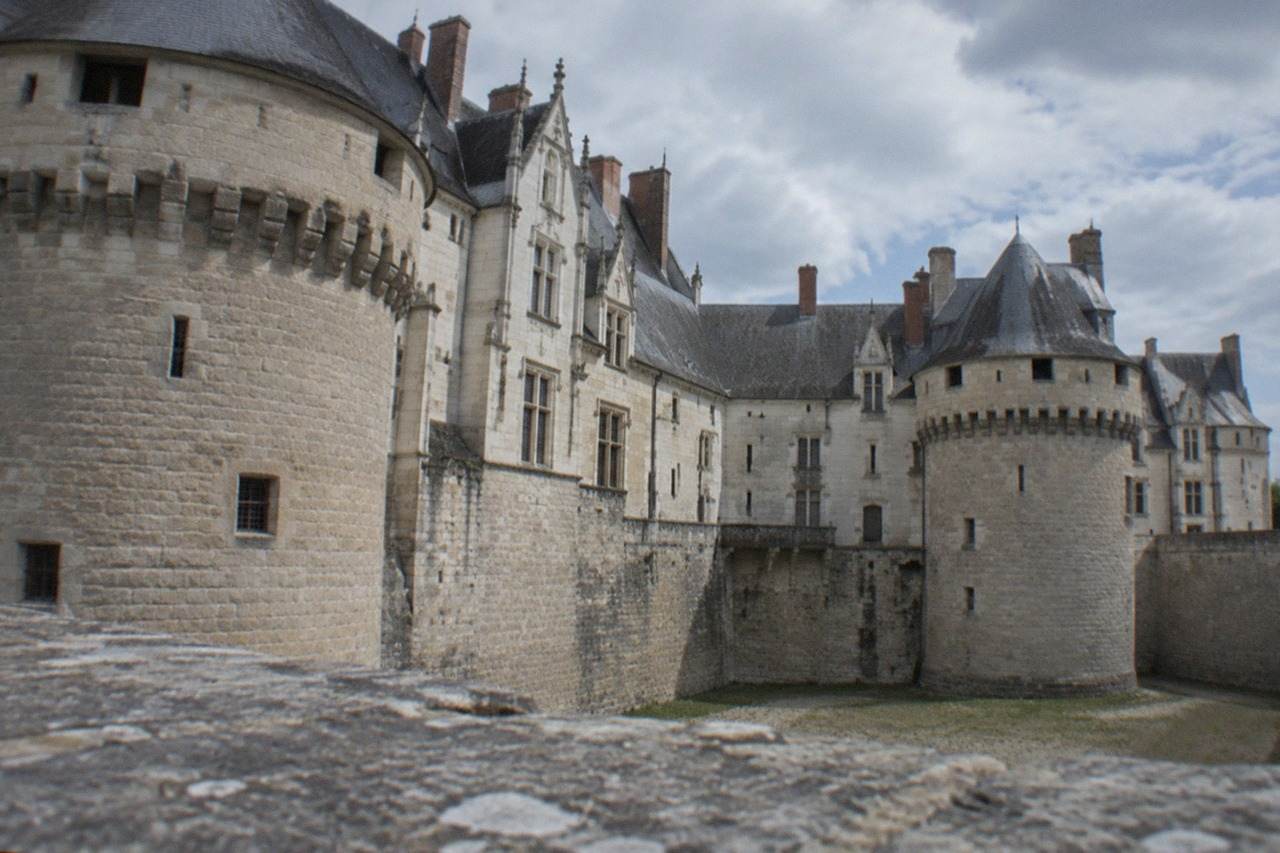
Nantes, in the Loire-Atlantique department of the Pays de la Loire region of western France, was for centuries the home city of the dukes of Brittany, and Anne of Brittany herself was born at its château on 25 January 1477. Modern maps tell a different story: a 1941 decree placed the city's department outside the administrative region of Brittany, so today's travellers base themselves in a Pays de la Loire city that many Bretons still regard as historically their own. That split identity is exactly why the base question is worth asking, and the honest answer has two parts.
Is Nantes A Good Base For Exploring Brittany?
Yes, Nantes works well as a base for exploring Brittany: the fastest TER trains reach Rennes in about 1 hour 16 minutes, and Mont-Saint-Michel is roughly 2 hours 15 minutes away by road. Nantes itself keeps the Château des ducs de Bretagne, the birthplace of Anne of Brittany, and a cathedral that reopened on 27 September 2025 after five years of restoration. The caveat is administrative: the city sits in the Loire-Atlantique department of the Pays de la Loire region, outside modern Brittany since 1941.
The case for the city rests on three pillars. First, it is a genuine rail hub, with roughly 24 daily trains each way toward Paris and direct TER links into Brittany. Second, the base days are never wasted: the château, the Machines de l'île and a reopened cathedral fill them easily. Third, its position on the southern edge of the Breton world puts the nearest Breton towns within a short regional train ride.
The case against is distance, pure and simple. The far west of Brittany lies well beyond Rennes, and no timetable turns that stretch into a relaxed day trip. Visitors who want both tend to settle on a split: base in Nantes for the historic Brittany of Loire-Atlantique plus Rennes and Mont-Saint-Michel, then move west for a second base if the outer coast is the real goal. The rest of Nantes Travel Guide covers the city and its region in depth if you want to build that split into a full plan, and the question of whether Nantes counts as Brittany deserves its own reading before you book anything.
How Far Is Brittany From Nantes By Train And Car?
Rennes, the first major Breton stop on the rail network, lies about 1 hour 16 minutes from Nantes on the fastest TER trains, while Mont-Saint-Michel at the far edge of the region takes roughly 2 hours 15 minutes by road. The Atlantic coast of Loire-Atlantique, which belonged to the historic duchy of Brittany, sits closer still: Saint-Nazaire about 33 minutes away by TER, La Baule about 51 minutes, Le Croisic about 1 hour 3 minutes, and Pornic roughly 59 to 65 minutes.
Timetable data puts the rail reach of the city in clear perspective. Rennes works as a full day out, with a morning train and an evening return, and it opens the door to the rest of Brittany's rail spine. Mont-Saint-Michel is a road proposition: the drive is roughly 2 hours 15 minutes, with road distances of about 160 to 190 km depending on the route taken, and sources differ on the exact figure.
The coast of Loire-Atlantique is the part most first-time visitors misunderstand. These resorts and ports are not in modern Brittany, yet they belonged to the duchy for centuries and carry Breton place names, seafood traditions and salt marshes. Guérande, about 80 km from Nantes by road, sits behind medieval ramparts and supplies the fleur de sel that Breton cooking is built on. If your mental map of "Brittany" includes oyster ports and salt pans, that coast is your nearest and easiest version of it, and a Brittany road trip from Nantes strings it together in one loop.
| Destination | How you travel from Nantes | Fastest time or distance | In Brittany today? |
|---|---|---|---|
| Clisson | TER regional train | from about 15 min | No, Loire-Atlantique |
| Saint-Nazaire | TER regional train | about 33 min | No, Loire-Atlantique |
| La Baule | TER regional train | about 51 min | No, Loire-Atlantique |
| Pornic | TER regional train | about 59-65 min | No, Loire-Atlantique |
| Le Croisic | TER regional train | about 1 h 03 | No, Loire-Atlantique |
| Guérande | road | about 80 km | No, Loire-Atlantique |
| Rennes | TER regional train | about 1 h 16 | Yes |
| Mont-Saint-Michel | road | about 2 h 15 | No, but often combined with Brittany trips |
The pattern in that table is the whole argument in miniature. Everything under an hour is Pays de la Loire, much of it historic Brittany, while the first modern Breton city sits at about 1 hour 16 minutes and the far north-east beyond two hours by car.
What Makes Nantes Worth Staying In Between Brittany Trips?
Nantes itself justifies the base days with the Château des ducs de Bretagne, whose courtyard and ramparts are free daily, the Machines de l'île at 12 EUR per attraction, and a cathedral that reopened on 27 September 2025 after five years of restoration works. Add the Passage Pommeraye from 1843 and the Musée d'arts at 9 EUR full price, and the city holds enough between trips that you never feel you are only passing through.
The château museum inside those ramparts spreads more than 1,150 objects across 32 rooms, from medieval Nantes through the slave trade to the modern city, and costs 9 EUR full price with free entry for under-18s and on the first Sunday of each month from September to June. The Machines de l'île charges 12 EUR per attraction, with a child rate of 8 EUR, though the operator's own schedule lists no Grand Éléphant rides from 2 November 2026 to 28 February 2027 during maintenance. The cathedral is free, though its west facade stays under scaffolding toward a full reopening planned for 2028.
Between those anchors, the base days fill themselves. The Voyage à Nantes paints a green line through the city each summer, the Jardin des Plantes costs nothing, and the quays of the Erdre, the tributary that meets the Loire at the city, are the locals' own escape. A private custom walking tour with a guide is the most efficient first move for anyone planning to do all of this between Brittany outings, since you set the route and the pace: Check availability
Food fills the rest of the base rhythm. Talensac, the city's main market, runs Tuesday to Friday from 8:00 to 13:00 and at weekends to 13:30, closed Mondays, and the local specialities, from beurre blanc to gâteau nantais, are Breton-Atlantic cooking at its most buttery. Guided options cover the same ground: an all-inclusive food tour of the old town explores that larder with a local guide, though its operator has not published a price, and a surprise walk with a local takes a more spontaneous line through the streets.
Whichever way you fill the base days, the practicalities sit on your side. Cancellation terms on these listings are generous, most allow payment later, and the city centre is compact enough that a badly timed return train from Rennes never strands you far from your bed.
Why Is Nantes In The Pays De La Loire Rather Than Brittany?
Nantes sits in the Pays de la Loire region because a Vichy decree of 30 June 1941 attached the department then called Loire-Inférieure, which contains Nantes, to the Angers region and so separated it from Brittany. That attachment was never undone, and the department was renamed Loire-Atlantique on 9 March 1957. Before all that, Nantes was the home of the dukes of Brittany: Anne of Brittany was born at the city's château on 25 January 1477.
The ducal thread runs deep. Francis II, Duke of Brittany, began rebuilding the Château des ducs de Bretagne in 1466, and his daughter Anne, born there in 1477, twice became queen of France and fought to keep the duchy independent. The union of the Duchy of Brittany with the kingdom of France came in 1532, and Nantes remained the duchy's chief city throughout. The page on where the dukes of Brittany lived traces that residential history in full.

The 1941 split was administrative, imposed under occupation, and it has fuelled a cultural argument ever since. Locals, councils and heritage bodies keep the Breton flag flying over Nantes events, and the question of Brittany and Bretagne being the same place explains why the English and French names trip people up in this debate. For a traveller, the practical meaning is simple: your base will feel Breton while your map insists it is not.
| Date | What happened in Nantes and Brittany |
|---|---|
| 1466 | Francis II, Duke of Brittany, begins rebuilding the Château des ducs de Bretagne in Nantes |
| 25 January 1477 | Anne of Brittany is born at the château of Nantes |
| 1532 | The Duchy of Brittany is united with the kingdom of France |
| 30 June 1941 | A Vichy decree attaches Loire-Inférieure to the Angers region, separating it from Brittany |
| 9 March 1957 | Loire-Inférieure is renamed Loire-Atlantique |
None of this affects your train ticket. It affects the story you tell when you get home, which is a better souvenir than most.
Can You Explore Brittany From Nantes Without A Car?
You can explore much of Brittany from Nantes without a car: TER trains reach Rennes in about 1 hour 16 minutes at their fastest, Paris is about two hours by TGV with roughly 24 daily trains each way, and the Naolib network runs free every weekend from Saturday 00:00 to Sunday 23:59 for everyone, with the 10 EUR airport shuttle the one exception. For scattered coastal villages, a car or an organised day trip stays the practical choice.
The city's public transport makes the base itself effortless. A Naolib 1-hour ticket costs 1.80 EUR and covers trams, buses, the Navibus river shuttles and TER trains inside the métropole, while a 24-hour version is 6.80 EUR, or 15 EUR for up to four people travelling together. On Saturdays and Sundays the whole network, including the river boats on the Loire and the Erdre, is free for everyone, a policy in place since 2021. Note the airport shuttle never joins the free weekend scheme; it always costs 10 EUR and, since 30 March 2026, it leaves from the Gare routière at quai A according to the airport's access information.
The Pass Nantes bundles the base and the day trips. At 30 EUR for 24 hours, it folds unlimited Naolib travel, one airport-shuttle return, one TER return to Clisson, and entries to the château museum, the Galerie des Machines and the Carrousel des Mondes Marins into a single card, though the Grand Éléphant ride is excluded. Longer versions run to 40 EUR for 48 hours, 49 EUR for 72 hours and 75 EUR for seven days at full tariff.
| What you pay | Price | What it covers |
|---|---|---|
| Naolib 1-hour ticket | 1.80 EUR | Trams, buses, Navibus river shuttles and TER trains inside the métropole |
| Naolib 24-hour ticket | 6.80 EUR | The same network for a full day; a version for up to 4 people costs 15 EUR |
| Weekend travel | Free | Every Saturday 00:00 to Sunday 23:59, for everyone; the airport shuttle is excluded |
| Airport shuttle | 10 EUR | One way, about 20 minutes, valid 1 hour on the whole Naolib network |
| Pass Nantes, 24 hours | 30 EUR | Naolib travel, one airport-shuttle return, one TER return to Clisson, château museum, Galerie des Machines, Carrousel |
For the car-free traveller, the honest split is this: rail serves Rennes and the Loire-Atlantique coast superbly, while the smaller Breton villages and the Mont-Saint-Michel circuit reward wheels. If you would rather not drive at all, guided day trips from the city cover the coast and the salt marshes, and a private walk or a surprise stroll with a local covers the base itself.
Plan the base days loosely rather than rigidly. If you want a sense of how long to give the city itself before the Brittany legs begin, the page on how many days to spend in Nantes breaks it down, and two full days for the château, the Machines and the cathedral district is a comfortable starting point, with a third for the coast.
Common Questions About Nantes As A Brittany Base
Nantes offers fast TER links to Rennes, free weekend transport on the Naolib network, and its own ducal château, which together make it a practical base for Brittany trips. The answers below cover the border question, car-free travel, days needed, and shuttle costs.
Is Nantes a good base for exploring Brittany?
Yes, for southern and eastern Brittany and the historic Breton coast of Loire-Atlantique. The fastest TER trains reach Rennes in about 1 hour 16 minutes, and Mont-Saint-Michel is roughly 2 hours 15 minutes by road. For the far west of Brittany, a second base closer to the coast works better than any day trip from Nantes.
Is Nantes part of Brittany or the Pays de la Loire?
Administratively it is in the Pays de la Loire, in the Loire-Atlantique department. A Vichy decree of 30 June 1941 attached the then Loire-Inférieure to the Angers region and separated it from Brittany, and the decision was never reversed. Historically and culturally, Nantes was the home of the dukes of Brittany, and many locals still claim the Breton identity.
Is the Nantes airport shuttle free at weekends?
No. Naolib trams, buses and river shuttles are free for everyone from Saturday 00:00 to Sunday 23:59, but the airport shuttle is excluded from that scheme and always costs 10 EUR. The ticket is valid for one hour on the whole Naolib network, so you can connect onward without paying again.
Does the mechanical elephant at the Machines de l'île run all year?
No. The operator's own schedule lists no Grand Éléphant rides from 2 November 2026 to 28 February 2027 because of maintenance, and the Carrousel des Mondes Marins closed for maintenance from 22 to 25 September 2026. The Galerie des Machines itself stays open, and each attraction costs 12 EUR full price.
Can I visit the natural history museum on a rainy base day?
No, the Muséum d'histoire naturelle is closed for major restructuring works until 2029, having shut in November 2025. Its collections travel instead through pop-up exhibitions across the Nantes metropolitan area, and the Musée d'arts de Nantes, open until 19:00 and until 21:00 on Thursdays, is the strongest rainy-day alternative at 9 EUR full price.
The verdict, in the end, depends on which Brittany you came for. If it is the ducal history, the salt coast and the reachable Breton cities, Nantes is not just a good base, it is the natural one, and the region's own history has argued its case for eight centuries.