Are There Chateaus In Brittany?
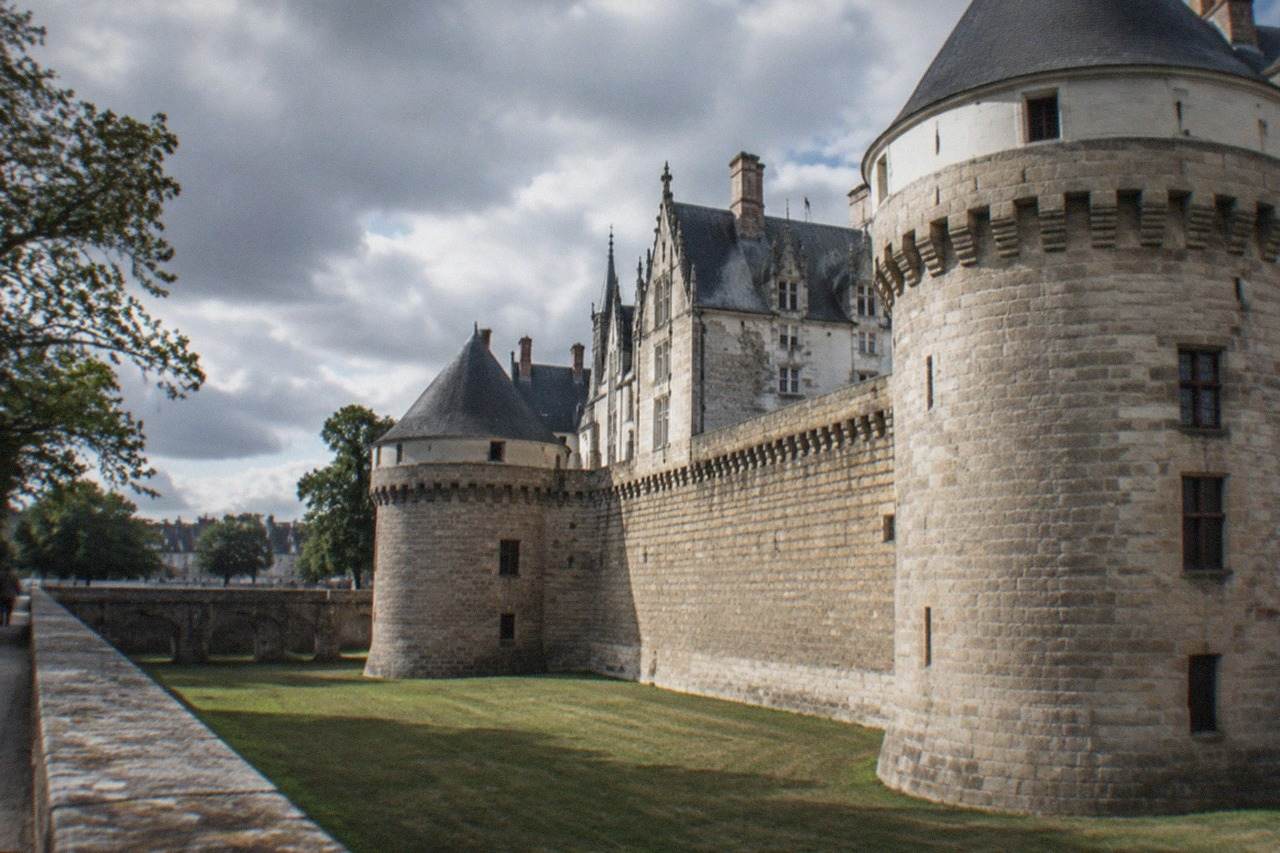
Yes, Brittany has chateaus, and the greatest of them stands in Nantes, France: the Château des ducs de Bretagne, the fortress of the dukes, birthplace of Anne of Brittany and home of the city's history museum.
Brittany's grandest château does not stand in Rennes or above some Breton headland: it stands in Nantes, in the Loire-Atlantique department of western France, a city that was the seat of ducal power for centuries. The Château des ducs de Bretagne, begun by Duke Francis II in 1466, is the fortress from which the dukes of Brittany actually governed, and it remains the largest and most significant château in the whole Breton world. So the short answer to the question is yes, and the long answer is that the most important château in Brittany's story now sits in a department that French administration moved out of the region in 1941. That twist is worth understanding before you plan a trip around it.
Are There Chateaus In Brittany?
Yes, Brittany has chateaus, and the most important of them stands in Nantes, France: the Château des ducs de Bretagne, begun by Duke Francis II in 1466 as the main fortress and residence of the dukes of Brittany. Further château sites sit within easy reach, notably the Château de Clisson south of Nantes, so a visitor basing themselves in Nantes can see Breton châteaus without ever leaving the Loire-Atlantique.
Brittany was an independent duchy until 1532, and a duchy of that wealth and ambition built accordingly. Its rulers needed fortresses, residences and statements of power, and the greatest of those statements is the château at Nantes. It is not a decorative Loire-style palace dressed up for summer courtly visits. It is a genuine ducal fortress, raised on a 1466 building campaign, with seven linked towers, curtain walls, a moat and a courtyard you can walk today, adapted for a court that expected comfort as well as security.
The complication every visitor runs into is administrative rather than architectural. Nantes belonged to the historic duchy, and Breton identity in the city remains strong, but a decree of 30 June 1941 attached the department then called Loire-Inférieure, renamed Loire-Atlantique in 1957, to a region centred on Angers rather than on Rennes. So the château of the dukes of Brittany now sits inside the Pays de la Loire region, a few kilometres from the regional border. The stone has not moved. The paperwork did. The full story of that split is covered in our guide to whether Nantes is in Brittany, which goes into the arguments on both sides.
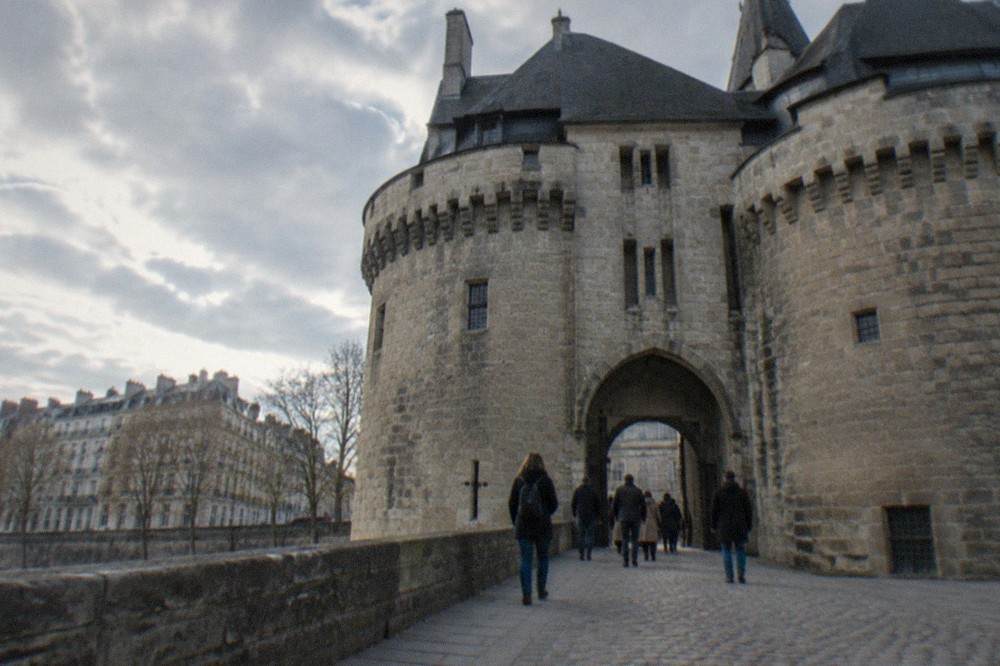
For practical purposes, this is good news for travellers. Nantes is Brittany's historic capital in everything but modern administration, and it has the transport links, hotels and food scene of a major regional city. You can use it as a base to see the ducal château itself, take a short train ride to a second Breton fortress at Clisson, and still be back for dinner on the Place Graslin.
Why Does Brittany's Greatest Château Stand In Nantes?
Brittany's dukes ruled from Nantes because the city was among the largest and richest in the duchy, and Francis II began rebuilding the Château des ducs de Bretagne there in 1466 to serve as the seat of ducal power. His daughter Anne of Brittany was born at the château on 25 January 1477, and the duchy's union with the kingdom of France followed in 1532, after which the château remained the symbolic heart of Breton power.
Francis II was the last male duke of the independent Brittany, and his building campaign at Nantes was a claim as much as a construction project. The fortress he raised on the edge of the medieval town had to house a court, defend the crossing of the Loire and impress envoys from Paris and London alike. Its walls, roughly rectangular and punctuated by towers, still do the impressing: the courtyard and ramparts are open to the public free of charge, and they give the clearest sense in the whole city of what ducal authority looked like in stone.
Anne of Brittany is the figure who binds the château to the big events of European history. Born there in 1477, she became duchess as a girl, was married by force of circumstance to two kings of France in succession, and fought, negotiated and finally conceded the union of 1532 that ended independent Breton statehood. Her story, and the question of where the dukes actually lived and held court, is unpacked in our answer to where the dukes of Brittany lived, which places the Nantes château against the duchy's other residences.
| Year | What happened at or around the château |
|---|---|
| 1466 | Francis II begins rebuilding the Château des ducs de Bretagne |
| 25 January 1477 | Anne of Brittany is born at the château |
| 1532 | The Duchy of Brittany is united with the kingdom of France |
| April 1598 | Henri IV signs the Edict of Nantes at the château after the city holds out under the Duke of Mercœur |
| 1915 and 1924 | The city of Nantes takes ownership of the château, then establishes its museum there |
| 1997 to 2007 | Ten-year restoration of the whole site; the Musée d'histoire de Nantes opens in 2007 |
One date on that timeline deserves a closer look, because it is the most commonly garbled. The Edict of Nantes, the toleration edict that ended the French Wars of Religion, was signed by Henri IV at this château, and the château's own page dates the signature to 30 April 1598. Textbooks often print 13 April. The safest wording is simply April 1598, signed at the château, after Nantes under the Duke of Mercœur had been the last city to hold out against the king.
If you want the whole ducal story explained on the ground rather than from a page, a guided walk is the efficient route.
What Does The Château Des Ducs De Bretagne Cost, And When Is It Open?
The Château des ducs de Bretagne in Nantes costs 9 EUR full and 5 EUR reduced for the Musée d'histoire de Nantes inside it, and entry is free for everyone under 18 and on the first Sunday of each month from September to June. The courtyard and ramparts are free every day from 8:30 to 19:00. The museum is open 10:00 to 18:00 and is closed on Mondays.
That pricing structure rewards a bit of planning. The free courtyard, ramparts and moat garden take an hour on their own and cost nothing, so a budget traveller can experience the fortress itself for the price of a tram ticket, or indeed nothing at all on a weekend, when the Naolib network is free for everyone. The paid museum is where the history lives, in 32 rooms and more than 1,150 objects, and the reduced 5 EUR tariff covers 18 to 25-year-olds, teachers and large families, as well as anyone buying in the last hour before closing.
| What | Price | Notes |
|---|---|---|
| Courtyard and ramparts | Free | Daily 8:30-19:00, to 20:00 in July and August |
| Museum, full tariff | 9 EUR | 10:00-18:00, closed Monday; July-August daily 10:00-19:00 |
| Museum, reduced tariff | 5 EUR | 18-25, teachers, large families, last hour before closing |
| Under 18 | Free | Every open day |
| Guided visit | 12 EUR | Reservations through the château's own site |
| Pass musées, one year, four museums | 15 EUR | Also covers Musée d'arts, Musée Jules Verne and Le Chronographe |