Is Nantes, France Close To Paris?
Yes, Nantes is close to Paris: about two hours by direct high speed train, with around 24 daily departures. Here is what that means for planning a trip.
Paris and Nantes sit in the same country but not quite the same France. The fastest direct trains between the two cities take about two hours, which puts Nantes within easier reach of the capital than several places people assume are handier. Yet step off at Nantes and the atmosphere shifts: an oceanic climate, Muscadet from Atlantic-facing vineyards, and a port city whose history looks west to the sea rather than east to Paris.
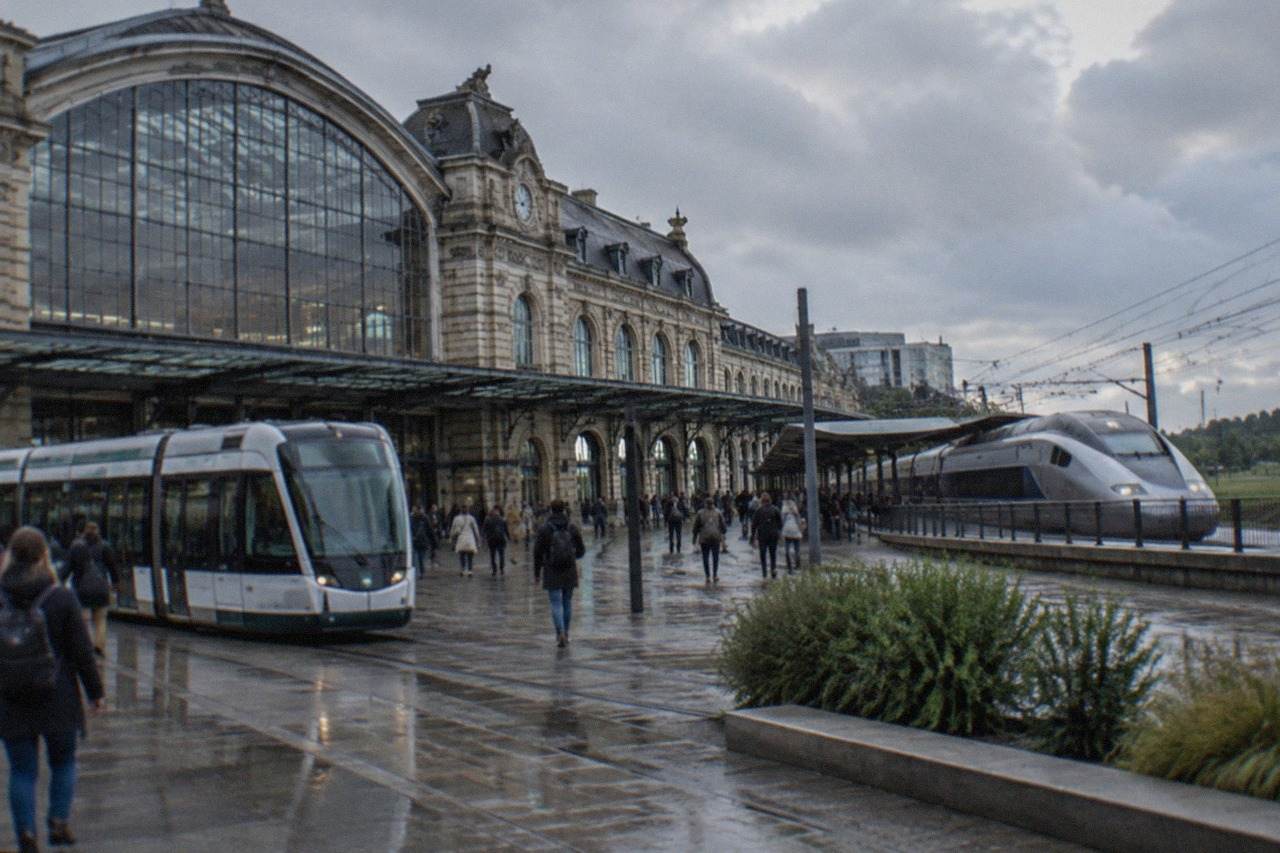
Is Nantes, France Close To Paris?
Yes, by French standards, Nantes is close to Paris. The fastest direct trains from Paris Montparnasse reach Nantes in about two hours, and around 24 trains a day run in each direction, which makes Nantes an easy overnight city break or even an ambitious day trip. In every other sense, though, Nantes belongs to western France: it is the capital of the Pays de la Loire region, sits on the Loire river near the Atlantic coast, and feels culturally distinct from the capital.
The honest answer depends on what you mean by close. If the question is whether you can get there quickly and without fuss, the answer is yes, comfortably. A ride on a modern high speed line takes less time than many commuters spend crossing a large city. If the question is whether Nantes is a suburb of Paris, some place you can tick off on a spare afternoon, the answer is no. It is a substantial city with its own tram network, its own food culture and its own complicated history, and it rewards at least a full day.
There is also a psychological distance worth mentioning. French travellers treat the journey between Paris and the Atlantic west as a genuine change of scene, not a suburban hop. The landscape outside the window flattens towards the Loire estuary, the light changes near the coast, and the restaurant menus swap inland classics for seafood and Muscadet. The editors behind Nantes Travel Guide find that visitors are usually surprised by how quickly the capital disappears behind them and how completely the atmosphere changes once it has.
How Far Is Nantes From Paris By Train?
The rail journey from Paris Montparnasse to Nantes takes about two hours on the fastest direct TGV services, with around 24 trains a day running in each direction. Most departures are direct, with no change of train needed, and low-cost high speed services run alongside the standard ones, so a cheaper ticket is often available if you are flexible. The line runs south-west from the capital into the Loire-Atlantique department, ending on the Loire within easy reach of the Atlantic coast.
That combination of speed and frequency is the single most useful thing to know. You do not need to build your day around one specific departure. Miss a train and there is usually another one along soon, which makes Nantes a low-stress destination compared with smaller towns served a handful of times a day. For the full breakdown of how long the TGV from Paris to Nantes takes, including what to expect on board, we keep a dedicated page. For what a train ticket from Paris to Nantes costs, there is a separate guide covering the fare structure, because prices shift with booking windows and travel dates in the usual French way.
| Route | Fastest journey | What to know |
|---|---|---|
| Paris Montparnasse to Nantes (TGV) | About two hours | Around 24 trains a day each way, most services direct |
| Paris to Nantes (low-cost high speed) | Slightly slower on some departures | Runs alongside standard services, same city pair |
| Nantes to Rennes (regional TER) | About one hour sixteen minutes | The onward link from Nantes into Brittany |
The third row matters more than you might think. Nantes is not just close to Paris; it is also the rail gateway to the whole western seaboard, which is why a lot of travellers use it as a base rather than a destination in itself. More on that below.
Can You Visit Nantes As A Day Trip From Paris?
Yes, Nantes is close enough to Paris for a day trip, though it makes for a long day. With the fastest trains taking about two hours each way and around 24 daily departures, you can leave Paris in the morning, spend five or six hours in Nantes, and be back in the capital the same evening. It is entirely doable, but most people find that an overnight stay suits the city better, since the pace of life slows noticeably after the day-trippers leave.
Be honest with yourself about the arithmetic. An early start both directions leaves you a solid block in the middle of the day, which is enough for the cathedral, the Passage Pommeraye and the Machines de l'île if you move briskly. It is not enough for the museums at a civilised pace, an unhurried lunch, or the riverside districts across the Loire. If those are what drew you to the city, read our guide to how many days to spend in Nantes before you commit to the sprint version.
Why Nantes Feels Further From Paris Than It Is
The train ride between Paris and Nantes carries you into a genuinely different part of France. Nantes lies in the Pays de la Loire region, on the Loire river near where it meets the Atlantic, with a temperate oceanic climate rather than anything continental. The city was the seat of the dukes of Brittany, and that western, Atlantic-facing identity still shapes its food, its architecture and its outlook, so the short journey time can mislead you into expecting a place more like the capital than it is.
This is the useful paradox of the route. The train is fast, so the distance collapses, but nothing else about Nantes collapses with it. The wine is Muscadet rather than anything from the inland regions. The biscuits in the shop windows are the Nantais kind, from a factory tradition that started here. The climate is mild and damp rather than hot and dry, shaped by the ocean a short hop to the west. For a fuller picture, see our page on what Nantes is famous for, which covers the mechanical elephant, the former dukes' château and the city's seafaring past in detail.
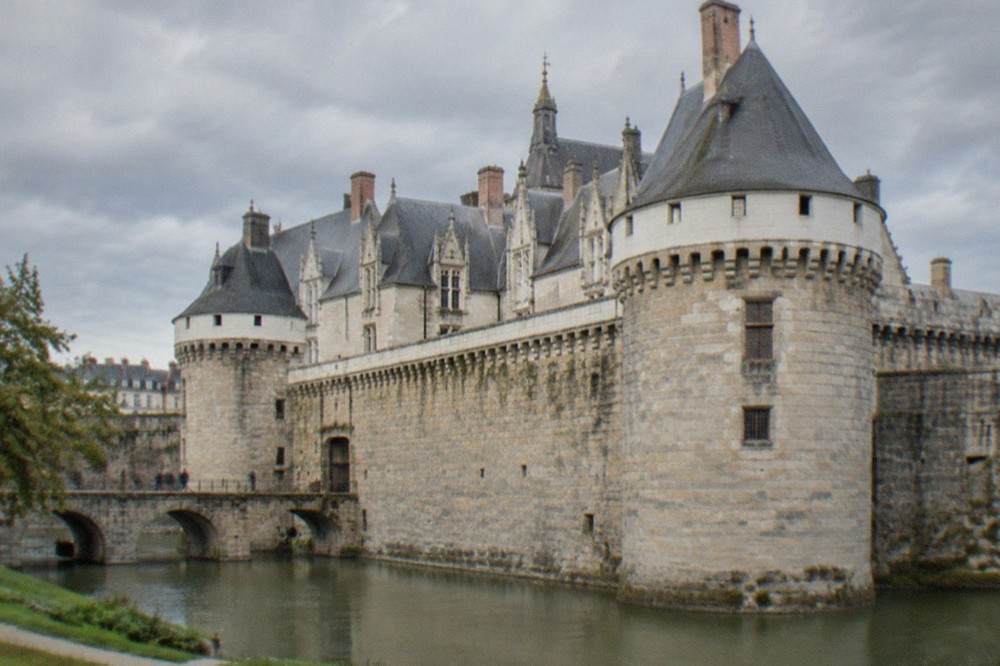
A short guided walk is a good way to feel that difference quickly. A local guide can trace the line from Breton duchess to slave-trade port to industrial city in the space of a few streets, which is the story Paris never tells you about the west. The Surprise Walk of Nantes with a Local is built exactly for this: a first orientation that leaves you knowing which quarter is which and where to go next. It also pairs well with a food tour of the Old Town, since Nantes is a city best understood through what is on the plate, from beurre blanc to the berlingot candies that carry its name.
The distance itself is worth keeping in mind when you plan. The fastest trains cover the run from Paris in about two hours, which puts the city within easy reach for a weekend. That travel time is short enough that you can leave Paris after breakfast and still be walking the old streets of Bouffay before lunch, yet the change in atmosphere is immediate once you step out of the station.
The city's position also makes it a natural base for the Loire estuary country. Saint-Nazaire, where the Loire finally meets the Atlantic, lies just under an hour away by TER, and the coastal resorts of La Baule and Pornichet sit on the same line. The historic walled town of Guérande, famous for its salt marshes, is a short hop further on. None of these places feel like the Paris basin at all, and all of them are reachable on the same regional network that serves Nantes itself, so the sense of a different France extends well beyond the city limits.
Where Can You Travel On From Nantes?
Nantes works well as a base for western France precisely because it is not Paris. The regional TER train to Rennes takes about one hour sixteen minutes at its fastest, the Atlantic coast at Saint-Nazaire is about thirty-three minutes away, and the beach at La Baule is under an hour on the same line. In other words, arriving from Paris does not put you at the end of the line; it puts you at the centre of a network.
| Destination from Nantes | Rail time | Why go |
|---|---|---|
| Clisson | From about 15 minutes, roughly 23 on average | Italianate architecture, château and vineyards |
| Saint-Nazaire | About 33 minutes | Atlantic shipbuilding city and the Escal'Atlantic liner experience |
| La Baule | About 51 minutes | A classic French beach resort with a long bay |
| Pornic | About an hour | A walled seaside town on the Atlantic |
| Le Croisic | About one hour three minutes | Fishing port and rocky coastline at the mouth of the Loire |
| Rennes | About one hour sixteen minutes | The capital of Brittany, for a second city break |
That list is the practical argument for staying longer than a day. Each of these places is a half-day excursion from Nantes, and several of them, Clisson included, are easy enough to reach that you can decide on the morning itself. A one-day return from Paris leaves you time for none of them; two nights in Nantes leaves you time for two or three, and the city's tram and river-bus network means you do not need a car for any of it. The vineyards of Muscadet sit just beyond the city too, and a van tour from Nantes reaches them without any planning effort at all, which is worth knowing if wine rather than coastline is what draws you west.
Common Questions About Nantes And Paris
Is Nantes, France close to Paris?
Yes. The fastest direct trains from Paris Montparnasse reach Nantes in about two hours, with around 24 departures a day in each direction, so by French rail standards Nantes counts as close to the capital. It sits, however, in the Pays de la Loire region of western France and feels like a separate world once you arrive.
How long is the TGV from Paris to Nantes?
About two hours on the fastest direct services, with most departures running non-stop from Paris Montparnasse. Around 24 trains a day run each way, and low-cost high speed services share the route, so cheaper tickets are often available if you are flexible about departure times.
Is a day trip from Paris to Nantes realistic?
It is realistic but rushed. Two hours each way plus an early start gives you roughly five or six usable hours in the city, enough for the cathedral, the Passage Pommeraye and the Machines de l'île. An overnight stay suits Nantes better, since the city's pace rewards slow exploration.
Is Nantes in Brittany or the Loire Valley?
Nantes is in the Loire-Atlantique department within the Pays de la Loire region, on the Loire river near the Atlantic coast. It was historically the seat of the dukes of Brittany and sits at the western edge of the wider Loire Valley, so visitors use it as a gateway to both.
Is the train or the car better for getting to Nantes?
The train, for most travellers. The direct service takes about two hours and arrives in the city centre, where the tram network takes over. Driving takes considerably longer once motorway traffic is factored in, and parking in central Nantes is scarcer than in most French cities of its size.